That Head Shake Isn’t Nothing – A Complete Guide About Dog Ear Infections Every Owner Should Read
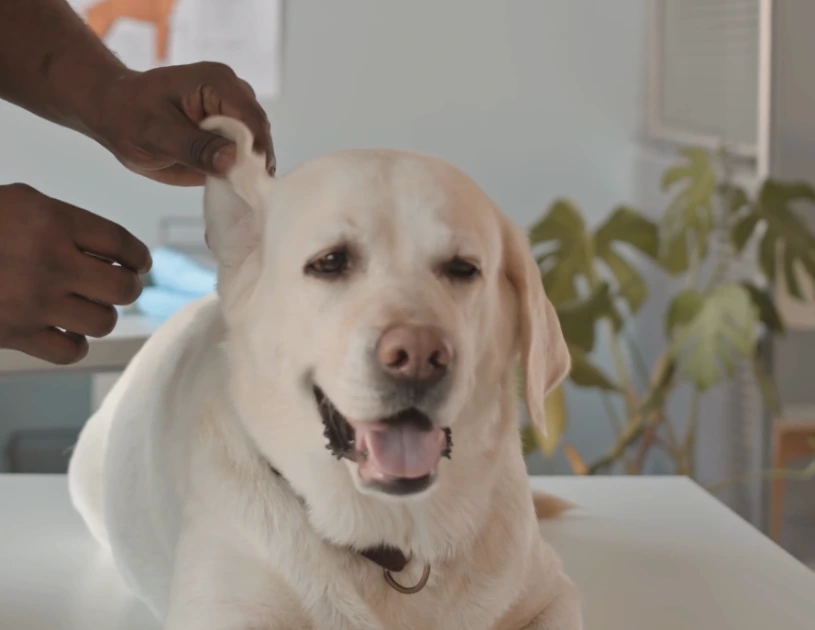
About 1 in 5 dogs in the United States develops an ear infection at some point in their life. For some breeds and allergy-prone dogs, it is not an occasional problem – it is a recurring battle that costs hundreds of dollars per visit and leaves owners searching for answers that go deeper than just another round of ear drops.
This guide covers everything you actually need: how to tell if your dog has an ear infection, what type it is, what your vet will do, what you can safely try at home, what recovery looks like, and – most importantly – how to identify the underlying cause so the infections stop coming back.
What Is a Dog Ear Infection?
The medical term is otitis externa – inflammation and infection of the outer ear canal. It ranks among the most common reasons dogs visit the vet in the US, and it affects dogs far more frequently than humans for one clear anatomical reason: a dog’s ear canal is shaped like an L rather than a straight tube. The vertical section meets a horizontal section deep inside the ear, and that bend traps moisture, wax, and debris far more effectively than a human ear ever could.
Three distinct types of ear infection affect dogs, each increasing in severity:
- Otitis externa – the outer ear canal, most common, usually treatable with topical ear drops
- Otitis media – the middle ear, more serious, usually requires oral antibiotics alongside topical treatment
- Otitis interna – the inner ear, least common but most dangerous, can cause permanent hearing loss or balance problems
Most infections begin in the outer ear and progress inward if left untreated or treated incompletely. That is the core reason early identification matters so much.
Signs Your Dog Has an Ear Infection
Dogs communicate ear pain through behavior and appearance. The signs are recognizable once you know what to look for.
Behavioral signals
- Repeated head shaking, especially after getting up or when touched near the head
- Scratching at one ear or rubbing that side of the head on furniture, carpet, or grass
- Tilting the head persistently to one side
- Pulling away or crying when the ear is touched
- Reluctance to chew or yawning with discomfort (indicates pain radiating toward the jaw)
Visual signals inside the ear
- Redness or swelling of the ear canal opening
- Discharge that is yellow, brown, black, or bloody
- Dark crumbly material that looks like coffee grounds – this usually points to ear mites rather than a standard infection
- Visible buildup of dark, waxy debris
What does a dog ear infection smell like?
A yeasty, bread-like odor typically points to a yeast overgrowth. A foul, pungent smell – particularly a strong one – is more characteristic of bacterial infections, especially pseudomonas infections. The smell is often the first thing owners notice, and it is one of the most reliable early warning signs you can detect at home.
When to call your vet the same day: Severe pain, significant swelling, bloody or greenish discharge from both ears, noticeable hearing loss, or your dog stumbling or losing balance. These signals suggest the infection may have progressed beyond the outer ear canal.
Types of Dog Ear Infections
The right treatment depends entirely on what organism is causing the problem, which is why diagnosis comes before treatment every time.
Yeast Ear Infections (Malassezia pachydermatis)
The most common culprit is Malassezia pachydermatis, a yeast that normally lives on dog skin in small numbers. When conditions inside the ear shift – more moisture, more warmth, or an immune response from allergies – the yeast population explodes. Yeast infections typically produce brown, waxy discharge with a distinctive yeasty smell. They are closely tied to allergies and skin conditions. Treating the infection without addressing the allergy leads to the cycle most affected owners know far too well.
Bacterial Ear Infections (Staphylococcus and Pseudomonas)
Common bacterial causes include Staphylococcus pseudintermedius and Pseudomonas aeruginosa. Pseudomonas deserves extra attention: it develops antibiotic resistance quickly and reliably. When a pseudomonas infection fails to clear with standard treatment, your vet will likely recommend culture and sensitivity testing – a lab test that identifies exactly which antibiotic will work against that specific strain. Bacterial infections tend to produce yellow or green discharge and a stronger, more unpleasant odor than yeast infections.
Mixed Infections (Yeast and Bacteria Together)
It is very common for dogs to have both yeast and bacteria present simultaneously. The yeast overgrowth creates conditions that favor bacterial growth, and the two reinforce each other. Your vet’s cytology test – a microscopic examination of ear discharge – identifies what is actually present so treatment targets the right organisms from day one.
Ear Mites (Otodectes cynotis)
Ear mites are not technically an infection but appear frequently in ear infection searches because owners confuse them. The clearest distinguishing sign is the discharge: ear mites produce dark, dry, crumbly debris that looks like coffee grounds. The itching is usually intense. Unlike standard ear infections, ear mites (Otodectes cynotis) are highly contagious between pets – if one animal in your household has them, all animals need treatment at the same time.
What Causes Dog Ear Infections?
Understanding the cause is more valuable than treating each infection in isolation. Most infections have an underlying trigger, and addressing that trigger is the only path to lasting relief.
Moisture in the Ear Canal
Water trapped in the L-shaped ear canal creates ideal conditions for yeast and bacteria to multiply. Dogs who swim regularly – Labrador Retrievers, Golden Retrievers, Spaniels – are significantly more susceptible. Bathing without properly drying the ears afterward has the same effect. This is one of the most preventable underlying causes.
Food Allergies and Environmental Allergies
This is the most common underlying cause of chronic, recurring ear infections in dogs. Food allergies (chicken is a particularly frequent culprit) and environmental allergies such as pollen, dust mites, and grass trigger systemic inflammation that affects the skin throughout the body, including the ear canal lining. That inflamed environment becomes a breeding ground for yeast and bacteria. If your dog keeps getting ear infections every few weeks despite completing each course of treatment, allergies are almost certainly involved.
Ear Anatomy and Breed Factors
Floppy ears limit airflow across the ear canal, maintaining the warm, moist environment that supports microbial growth. Some breeds also have naturally narrow or stenotic ear canals – Pugs and French Bulldogs in particular – that make it difficult to clean the canal properly or for a vet to examine it thoroughly. The L-shaped anatomy that all dogs share makes them inherently more vulnerable than cats or humans.
Hormonal Conditions
Hypothyroidism and other hormonal imbalances change the skin and ear environment in ways that promote infections. Vets typically investigate hormonal causes in middle-aged or older dogs with no allergy history who suddenly develop recurring infections without an obvious environmental or dietary trigger.
Foreign Bodies (Foxtails and Grass Seeds)
Foxtails, grass seeds, and small debris can lodge in the ear canal and cause irritation followed by secondary bacterial infection. This is a greater concern for outdoor dogs, particularly in the western US where foxtails are common during dry seasons. If your dog shakes their head immediately after outdoor activity, check the ear canal for visible debris.
Dog Breeds Most Prone to Ear Infections
Any dog can develop an ear infection, but anatomy and genetics make some breeds significantly more susceptible. If you own one of these breeds, building ear care into your regular routine from the start will save significant money and discomfort over time.
- Cocker Spaniels – long, heavy ear flaps with minimal airflow create a warm, moist canal environment
- Basset Hounds – same anatomical issue, compounded by skin fold concerns across the breed
- Golden Retrievers and Labrador Retrievers – frequent swimmers with elevated allergy rates; two compounding risk factors
- Poodles (all sizes) – hair grows inside the ear canal and traps debris, creating buildup
- Shar Pei – narrow ear canals and widespread skin fold irritation throughout the body
- Boxers – allergy-prone breed with elevated ear infection rates compared to the general dog population
- Pugs and French Bulldogs – stenotic (abnormally narrow) ear canals make examination and treatment significantly more difficult
Yeast vs. Bacterial Dog Ear Infection: How to Tell the Difference
Owners frequently try to identify the type at home before a vet visit. This practical comparison helps, though keep in mind that cytology is the only reliable way to know for certain what you are dealing with.
| Feature | Yeast Infection | Bacterial Infection |
|---|---|---|
| Discharge color | Brown, dark, waxy | Yellow, green, or gray |
| Smell | Yeasty, bread-like | Foul, pungent |
| Texture | Oily, waxy | More liquid or creamy |
| Itch intensity | Moderate | Moderate to severe |
| Primary cause | Allergies, moisture imbalance | Secondary to skin issue, moisture |
| Typical organisms | Malassezia pachydermatis | Staphylococcus, Pseudomonas |
Yellow-green discharge with a strong smell often indicates a bacterial infection and warrants a prompt vet visit rather than a home treatment attempt. Bacterial infections, particularly pseudomonas, can progress and develop antibiotic resistance when treated incorrectly or incompletely.
How Vets Diagnose Dog Ear Infections
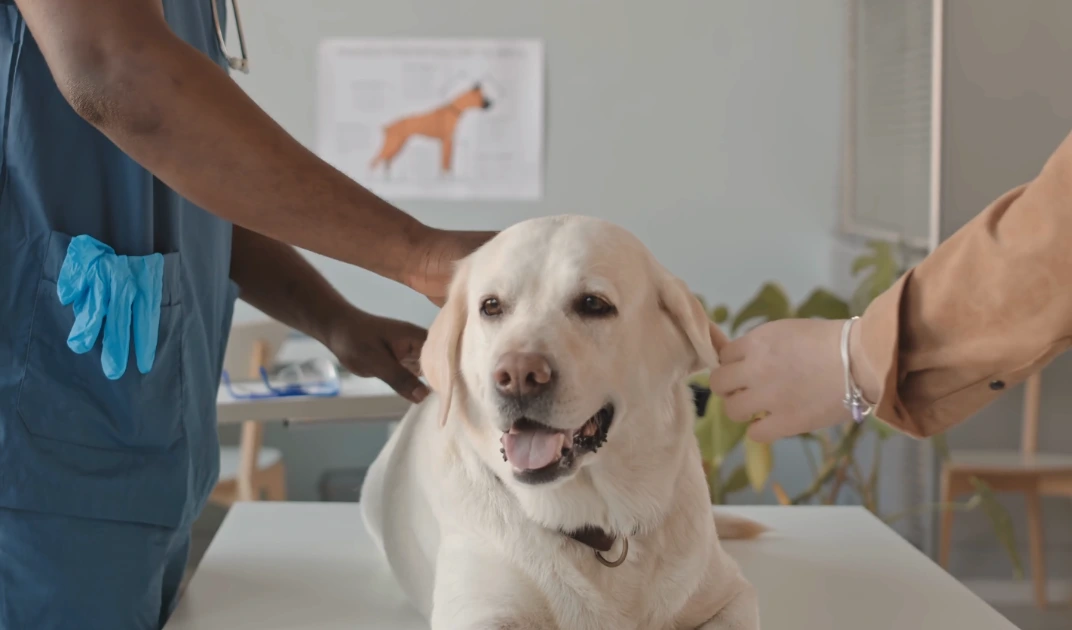
Your vet will start with a physical examination and look inside the ear canal with an otoscope. In dogs with significant pain, swelling, or aggression around the head area, sedation may be necessary to examine the canal safely and completely.
Cytology is the most important diagnostic step. The vet swabs the discharge, stains the sample on a slide, and examines it under a microscope. This confirms whether the infection is yeast, bacteria, or both, and identifies whether the bacteria are cocci (round-shaped, often Staphylococcus) or rods (rod-shaped, often Pseudomonas or Proteus).
Culture and sensitivity testing is recommended for stubborn, recurring, or pseudomonas infections. The lab grows the bacteria and tests a panel of antibiotics to find out which ones actually kill that specific strain. This costs more than cytology alone but eliminates the guesswork that leads to antibiotic resistance and repeated treatment failure.
For suspected middle or inner ear involvement, your vet may recommend imaging (X-rays or CT scan) or a referral to a veterinary dermatologist.
Prescription Dog Ear Infection Treatments
Treatment choice is based on cytology results, the depth of the infection, and your dog’s history.
Topical Ear Drops
The most common first-line treatment for otitis externa. Prescription drops typically combine an antibiotic, an antifungal agent, and an anti-inflammatory steroid in one formula. Common brands include Otomax, Mometamax, and Tresaderm. Most treatment courses run 7 to 14 days with daily application at home.
Claro (Single-Dose Vet-Applied Medication)
Claro is a single-dose medication applied directly into the ear canal by your vet in the office. It releases treatment for approximately 30 days with no daily drops required at home. This is a practical solution for dogs that strongly resist ear drop administration, or for owners who struggle to maintain a daily routine. The vet applies it in one visit – you do not take anything home. Many owners report this as a game-changer for anxious or treatment-resistant dogs.
Oral Antibiotics
Added when infection has spread to the middle ear, or when topical treatment alone is insufficient. Important limitation: oral antibiotics are less effective for outer ear infections in isolation because blood flow to the ear canal is limited – medication does not reach high concentrations there through the bloodstream alone. This is why topical treatment is preferred for straightforward otitis externa.
Deep Ear Flush Under Sedation
For severe cases with heavy debris buildup, vets sometimes perform a thorough ear flush under sedation before beginning medication. This clears the canal so the medication can actually reach the infected tissue rather than sitting on top of discharge and failing to penetrate.
What Dog Ear Infection Treatment Costs in the US
A standard vet visit for a dog ear infection in the US typically runs $200 to $400, depending on location, the complexity of the case, and what diagnostic work is included. Cytology is usually bundled into the visit fee. Culture and sensitivity testing adds to this cost. Prescription medication adds another $30 to $80 in most cases. For dogs with monthly recurring infections, annual treatment costs can easily reach $3,000 to $4,000. That figure makes the investment in identifying and treating an underlying allergy worthwhile in most cases – allergy management often costs less than a year of infection treatment.
Over-the-Counter Dog Ear Infection Options
Zymox Otic with Hydrocortisone
The most widely recommended OTC option for mild dog ear infections. Zymox uses a patented LP3 Enzyme System that disrupts biofilm and inhibits both yeast and bacteria without requiring a prescription. The hydrocortisone 1% version also reduces inflammation and itch. Available at most pet stores and online for approximately $15 to $25 for a 1 oz bottle.
Two important cautions: Zymox should not be used together with other ear cleaning products, because other cleaners inactivate the enzyme system before it can work. And Zymox is not appropriate if the eardrum may be ruptured.
Epi-Otic Advanced
A vet-recommended ear cleaning solution (not a treatment) that helps remove debris and maintain a healthy ear environment. Commonly recommended by veterinary dermatologists for allergy-prone dogs as a maintenance product between infections. Use it for routine care or mild early cases.
These OTC products are appropriate for mild, clearly early infections. If the infection is not improving within 2 to 3 days, or if there is significant discharge, pain, or worsening symptoms, see your vet rather than continuing to treat at home.
Dog Ear Infection Home Remedies: What Actually Works
The interest in home treatment makes sense – recurring vet bills of $200 to $400 each time add up fast, and owners understandably want to manage mild flares themselves. Some home remedies have genuine logic behind them. Others are risky or ineffective.
Apple Cider Vinegar (ACV) – 50/50 Mix
A 50/50 mix of raw ACV and water creates an acidic environment that inhibits yeast growth. Applied with a cotton ball (pressed gently into the outer ear opening, not inserted into the canal), it can help with mild yeast infections. Important limitations: do not use if the ear canal tissue is broken, raw, or bloody – the acidity causes significant pain on damaged skin. ACV does not treat bacterial infections and has no meaningful effect on pseudomonas or Staphylococcus strains.
Green Tea Ear Flush Recipe
A formula that appears repeatedly in natural pet health discussions: combine 1 cup of cooled green tea, 2 tablespoons of raw ACV, 1 teaspoon of castile soap, 2 tablespoons of aloe vera gel, and 1 teaspoon of witch hazel. Apply by syringe or squeeze bottle into the canal opening, massage the ear base firmly for 60 seconds to work the solution into the canal, and allow the dog to shake it out. Daily for up to 14 days for mild yeast flares. The rationale is that green tea and witch hazel provide mild astringent and antimicrobial properties, while aloe vera soothes irritation.
Olive Oil and Coconut Oil
Both are used as canal lubricants that help soften and loosen waxy buildup. Neither has significant antibacterial or antifungal action on its own. They can aid cleaning but should not be relied on as treatments for active infections.
Realistic expectations: Home remedies can support mild yeast infections in the outer ear. They are not substitutes for veterinary care with bacterial infections, any sign of middle ear involvement, significant pain, bloody discharge, or cases that have not improved in 48 to 72 hours. Delaying treatment for a confirmed bacterial infection increases the risk of progression and antibiotic resistance.
What NOT to Put in Your Dog’s Ear
Knowing what to avoid matters as much as knowing what to use. These are the most common mistakes that make ear infections significantly worse.
Cotton Swabs (Q-tips)
Never insert cotton swabs into a dog’s ear canal. The L-shaped anatomy means swabs push debris further into the horizontal canal rather than removing it, and they can damage the ear canal walls or rupture the eardrum. Use cotton balls only, and only in the outer ear – pressed in gently rather than probed or twisted inward.
Hydrogen Peroxide
Hydrogen peroxide damages delicate ear canal tissue and causes additional irritation. It is particularly harmful if the eardrum is compromised. Despite appearing in older home remedy guides, it has no place in dog ear care and can significantly worsen the situation by damaging the tissue that needs to heal.
Rubbing Alcohol
Alcohol is severely irritating on inflamed or broken skin and causes real pain. Products with high concentrations of alcohol can inflame rather than treat the ear canal. Check labels before using any product that is not specifically formulated for dog ear care.
Apple Cider Vinegar on Broken Skin
ACV is only safe when the ear canal tissue is fully intact. If there is any raw, broken, ulcerated, or bloody tissue inside the ear, vinegar will cause significant pain and potentially worsen the damage rather than helping resolve the infection.
How to Clean Your Dog’s Ears Safely
Regular maintenance cleaning – typically every two weeks for most dogs, more often for swimmers or allergy-prone dogs – is one of the most effective long-term prevention strategies available to owners.
- Gather your supplies before you start: a veterinarian-recommended ear cleaner, cotton balls, and high-value treats.
- Position yourself behind or beside your dog rather than directly in front. Approaching from the front can feel confrontational and trigger resistance or aggression.
- Lift the ear flap and squeeze the cleaner generously into the canal opening.
- Massage the base of the ear firmly for 20 to 30 seconds. You should hear a squelching sound – this is the cleaner loosening debris deep in the horizontal canal.
- Stand back and let your dog shake their head to expel the loosened debris.
- Use cotton balls to wipe the outer canal entrance and the inside of the ear flap. Remove visible debris; do not probe into the canal.
- Reward immediately with a treat – positive association makes future cleanings easier and less stressful for both of you.
For dogs that are very resistant to ear handling – which is common, particularly in dogs with a history of ear pain – ask your vet about trazodone for vet visits, or work with a professional trainer to build positive associations with ear handling through gradual counter-conditioning over several weeks.
How Long Does a Dog Ear Infection Take to Heal?
With correct treatment, most outer ear infections (otitis externa) improve significantly within 7 to 10 days and resolve fully within two weeks. This assumes the right medication for the actual infection type is used and the full course is completed without stopping early.
Your vet will typically schedule a recheck appointment at the end of treatment to confirm the infection has cleared. This step is worth keeping – stopping treatment when the dog seems fine after a week is one of the most common reasons infections return quickly. The recheck also gives your vet the chance to catch any persistent organisms before they become resistant to future treatment.
Middle ear infections take considerably longer, typically 4 to 6 weeks of treatment before full resolution.
Recurring infections – those that return within weeks despite completing each treatment course – signal an underlying condition that is not being addressed. Allergy diagnosis and management can take several months, and a full elimination diet takes 8 to 12 weeks before you can interpret the results. That timeline is frustrating, but addressing the underlying cause is the only lasting solution to the cycle.
How to Prevent Recurring Dog Ear Infections
Identify and Treat the Root Cause
If your dog keeps getting ear infections, the infections are symptoms – not the actual problem. Food allergies, environmental allergies (atopic dermatitis), and hormonal disorders are the most common drivers. Work with your vet – and strongly consider a veterinary dermatologist referral for persistent cases – to identify what is actually causing the immune response that sets up each new infection.
Food Allergy Investigation Through Elimination Diet
Food allergies are diagnosed through elimination – feeding a novel protein your dog has never eaten before (duck, venison, rabbit, or kangaroo are common options) for 8 to 12 weeks while removing all previous proteins including treats and supplements. Chicken is one of the most frequent food allergens in dogs. Grain content matters less than protein source for most food-allergic dogs, despite what some marketing suggests.
Dry Ears After Every Water Exposure
After swimming or bathing, absorb visible moisture from the ear canal with a cotton ball and consider a drying ear cleaner. Consistency matters more than the specific product you use. For dogs who swim daily, a drying routine after every session can dramatically reduce infection frequency.
Establish a Regular Cleaning Schedule
For most dogs, cleaning every two weeks provides meaningful protection. For allergy-prone dogs or frequent swimmers, weekly cleaning during high-risk seasons keeps conditions from tipping into active infection. Use a veterinarian-recommended solution – not homemade mixtures – for routine cleaning.
Complete Every Treatment Course and Attend Rechecks
Stopping treatment early when your dog seems comfortable is understandable but counterproductive. Bacteria that survive an incomplete treatment course are more likely to be antibiotic-resistant the next time. Finish the full course and attend the recheck appointment – these two habits alone prevent a large proportion of recurrent cases.
Manage Environmental Allergies Proactively
If environmental allergens are driving the infections, your vet may recommend antihistamines, Cytopoint injections, Apoquel, or allergy immunotherapy depending on severity. Managing the allergic response reduces the ear inflammation that enables infections to establish themselves in the first place. This is the preventive approach that saves money and prevents suffering over the long term.
Frequently Asked Questions About Dog Ear Infections
How do I know if my dog has an ear infection?
The most common signs are head shaking, scratching at one ear, redness or discharge visible in the ear canal, and a noticeable odor – either yeasty and bread-like, or foul and pungent. Dogs in significant discomfort may also tilt their head to one side, resist having their head touched, or seem irritable when you approach their face.
Can a dog ear infection clear up on its own?
Mild yeast infections in the very outer ear occasionally improve with cleaning and drying the ear environment. Bacterial infections do not clear on their own and will worsen if left untreated. Any infection involving significant pain, yellow or green discharge, or a strong smell warrants a vet visit rather than a wait-and-see approach.
Are dog ear infections contagious to humans or other pets?
Standard yeast and bacterial ear infections are not contagious to humans or other dogs. Ear mites (Otodectes cynotis) are the exception – they are highly contagious between pets and can transfer to humans, though this is uncommon. If one pet in your household has ear mites, all pets need to be treated simultaneously.
What does a dog ear infection look and smell like?
Yeast infections typically produce brown or dark, waxy discharge and a yeasty, bread-like smell. Bacterial infections produce yellow or green discharge with a stronger, more unpleasant odor. Dark, dry, coffee-grounds-like debris is more characteristic of ear mites than a standard bacterial or yeast infection.
How long does it take to treat a dog ear infection?
Most outer ear infections respond to treatment within 7 to 14 days. Your vet will recommend a recheck at the end of treatment to confirm full resolution. Middle ear infections typically require 4 to 6 weeks of treatment. Recurring infections that keep returning suggest an underlying condition – usually allergies – that needs to be diagnosed and addressed separately.
What is the difference between a yeast and bacterial dog ear infection?
Yeast infections (Malassezia pachydermatis) produce brown, waxy discharge and a yeasty smell, and are closely linked to allergies. Bacterial infections (Staphylococcus, Pseudomonas) produce yellow or green discharge with a stronger odor. Both can be present simultaneously. A cytology test performed by a vet is the most reliable way to distinguish them and choose the right treatment.
How much does it cost to treat a dog ear infection at a vet?
In the United States, a standard vet visit for a dog ear infection typically costs $200 to $400, depending on location and complexity. Prescription ear drops add approximately $30 to $80. For dogs with monthly recurring infections, annual treatment costs can exceed $3,000 – which makes identifying and treating the underlying cause a worthwhile investment.
What home remedies are safe for dog ear infections?
A 50/50 mix of raw apple cider vinegar and water, applied with a cotton ball, can help mild yeast infections when the skin inside the ear is intact. Zymox Otic with Hydrocortisone is an effective over-the-counter option available without a prescription at around $15 to $25. These approaches are not substitutes for vet care with bacterial infections or significant pain.
What should I never put in my dog’s ear?
Never insert cotton swabs (Q-tips) into the ear canal – they push debris deeper and risk damaging the eardrum. Avoid hydrogen peroxide, which damages delicate ear canal tissue. Avoid rubbing alcohol, which causes pain on inflamed skin. Never apply apple cider vinegar if there is broken or raw skin inside the ear canal.
Why does my dog keep getting ear infections?
Recurring ear infections almost always point to an underlying condition. Food allergies (chicken is a common trigger), environmental allergies (atopic dermatitis), and hormonal disorders such as hypothyroidism are the most common drivers. Ask your vet about allergy testing, a novel protein elimination diet, or a veterinary dermatologist referral if infections keep returning despite completing treatment.