Best Emotional Support Dog Breeds for Anxiety and Depression
Every year, millions of Americans live with anxiety disorders, depression, PTSD, and other mental health conditions that make daily life harder than it needs to be. If you’re one of them, you’ve probably heard that a dog might help. The science backs that up – petting a dog for as little as 10 minutes has been shown to reduce cortisol (your body’s primary stress hormone) and trigger the release of oxytocin, the same bonding hormone that deepens trust between people. Research from HABRI (the Human Animal Bond Research Institute) confirms these effects are measurable and consistent.
But here’s what most articles miss: not every dog is equally suited to this role. Any dog can legally be an emotional support animal (ESA) in the United States – but some breeds are genuinely better at providing the consistent, non-reactive companionship that actually reduces anxiety and depression symptoms. Others, despite being wonderful dogs, can inadvertently make things harder.
This guide covers the 12 best emotional support dog breeds based on temperament research, real handler experiences, and the specific demands of anxiety, depression, and PTSD. You’ll also find a comparison table, a section on breeds to approach carefully, your US legal rights as an ESA owner, a step-by-step guide to getting an ESA letter, and answers to every People Also Ask question Google serves on this topic.
What Makes a Good Emotional Support Dog?
The most common advice is to choose a dog that is “friendly and affectionate.” That’s true as far as it goes – but it misses the most important quality, one that experienced service dog handlers in specialized communities discuss consistently.
The dog needs emotional stability that is independent of yours.
Some breeds are deeply empathetic – so empathetic that they absorb and reflect their owner’s emotional state. When you are anxious, they become anxious. When you are depressed, they become withdrawn. For a handler with severe depression or PTSD, that mirroring effect can compound the problem rather than ease it. What you actually need is a dog that acts as an emotional anchor – calm when you are struggling, consistent when your state changes, and warm without being frantic.
Beyond that core quality, the other criteria that matter most are:
- Trainability – a dog that creates chaos makes anxiety worse, not better
- Adaptability – comfortable in your home environment, whether that’s a studio apartment or a house with a yard
- Appropriate energy matching – a high-energy dog that isn’t exercised becomes a stressed dog, and a stressed dog is not supportive
- Genuine warmth toward the owner – without being hyperactive or demanding at the wrong moments
- Size relative to your living space – a practical constraint that significantly affects whether the relationship actually works
The 12 Best Emotional Support Dog Breeds
The breeds below were selected based on three criteria: documented human-animal bond research where available, real-world reports from ESA owners and psychiatric service dog handlers, and their practical fit across the most common living situations in the US.
1. Golden Retriever – The Anxiety Specialist
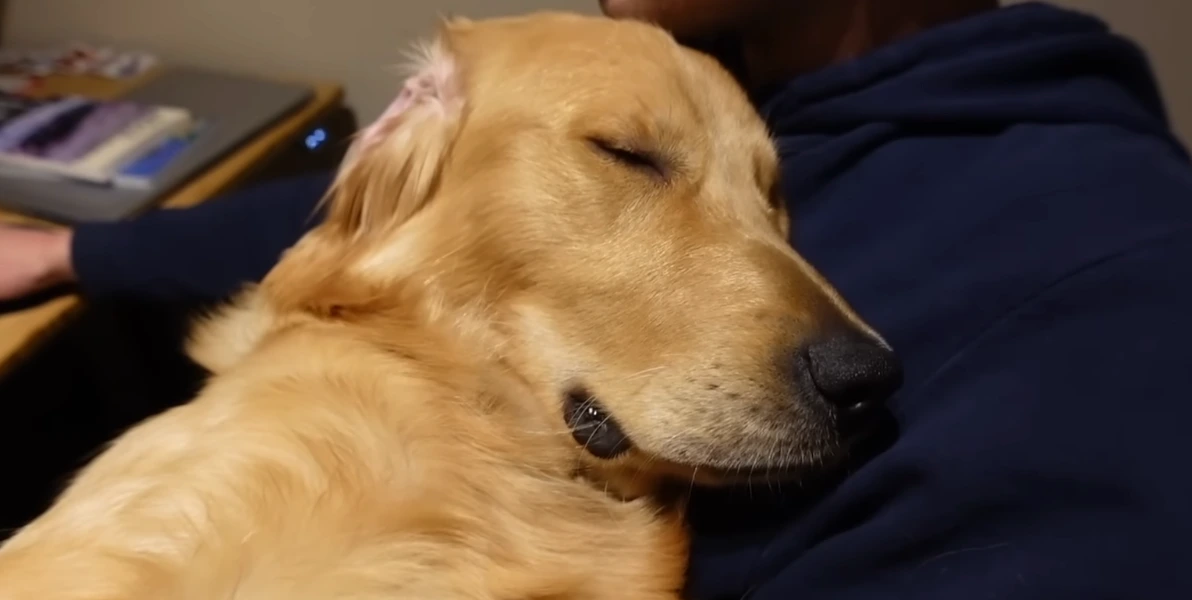
The Golden Retriever is the most studied breed in human-animal bond research, and there’s a reason it comes up first in almost every serious conversation about emotional support animals. HABRI researchers have documented cortisol reduction and blood pressure lowering in people who spend time with Golden Retrievers – the data is not anecdotal.
What makes the Golden particularly valuable for anxiety and depression is a quality researchers call emotional attunement – the ability to track a human’s mood in real time and respond to it. When you’re low, they come closer. When you’re agitated, they settle near you. For anxiety specifically, the Golden’s calm, non-reactive nature means it doesn’t amplify environmental stimuli that already trigger anxiety in its owner.
- Size: Large (55-75 lbs)
- Energy: Medium-high
- Apartment friendly: With daily exercise
- Hypoallergenic: No
- Best for: Generalized anxiety disorder, depression, panic disorder, families with children
- Health watch-out: Hip dysplasia and certain cancers are common – choose a breeder who health-tests both parents
- Not ideal if: You have allergies or live in a very small space without outdoor access
2. Labrador Retriever – The Emotional Anchor
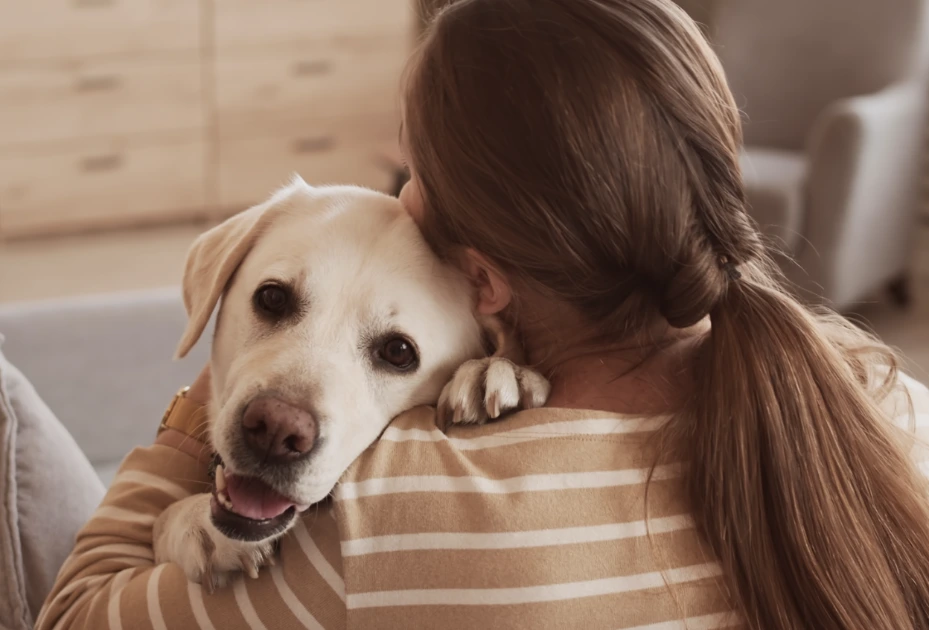
The Labrador is the most common breed used for psychiatric service dog work in the United States – and research consistently explains why. Petting a Labrador for 10 minutes significantly reduces cortisol while simultaneously increasing oxytocin – the hormonal shift that reduces the physiological symptoms of anxiety. Beyond the biochemistry, what the psychiatric service dog community identifies about Labs is their emotional independence. A Lab doesn’t absorb your depression. It remains steady when you are not.
That consistency is what makes Labs so valuable for PTSD and severe depression – the dog is a fixed point when everything else feels destabilized. The black Lab deserves a specific mention for PTSD handlers: black Labs are less attention-drawing in public spaces, giving handlers more room, while the size and calm presence remain grounding.
- Size: Large (55-80 lbs)
- Energy: High
- Apartment friendly: With serious daily exercise
- Hypoallergenic: No
- Best for: PTSD, severe depression, anxiety disorder, veterans
- Health watch-out: Weight gain happens fast in Labs – structured feeding and consistent exercise prevent hip and elbow problems
- Not ideal if: You cannot commit to 60+ minutes of daily activity
3. Standard Poodle – The Best Hypoallergenic ESA
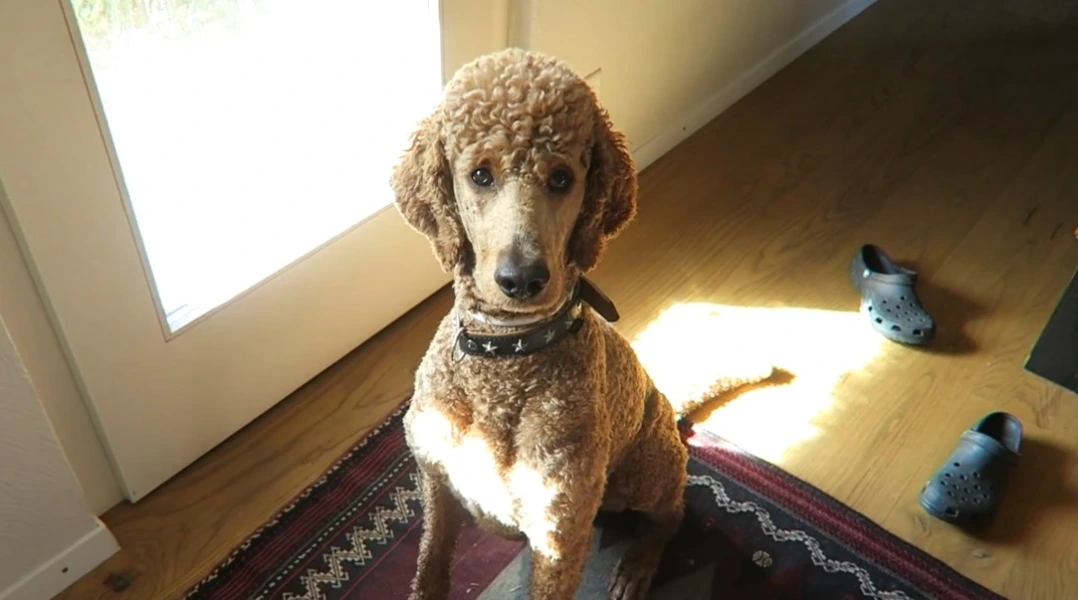
The Standard Poodle is the best hypoallergenic option for emotional support – and arguably one of the best ESA breeds overall, regardless of allergies. What sets the Poodle apart in a mental health context is a quality experienced psychiatric service dog handlers call “obedient disobedience” – the dog’s task-oriented intelligence means it gently nudges its owner toward function when the owner is in a depressive episode.
Standard Poodles don’t wallow. Where some breeds become distressed alongside a depressed owner, the Poodle maintains its own energy and creates the conditions for the owner to get up – without demanding it. For depression, where motivation is often the core symptom, this quality is clinically valuable. They are also the breed most experienced PSD trainers recommend for anyone considering transitioning from an ESA to a full psychiatric service dog.
- Size: Large (40-70 lbs)
- Energy: Medium-high
- Apartment friendly: With daily exercise
- Hypoallergenic: Yes
- Best for: Depression, PTSD, anxiety with physical task needs, allergy sufferers
- Health watch-out: Addison’s disease and bloat (GDV) – reputable breeders test for Addison’s
- Not ideal if: You want a purely passive companion that makes no demands
4. Cavalier King Charles Spaniel – The Depression Companion

If the question is depression and loneliness specifically, the Cavalier King Charles Spaniel is in a category of its own. The breed is widely considered the most emotionally bonded dog you can own – what most people call a “velcro dog” taken to its extreme. They form a deep, almost exclusive attachment to their primary person, seek constant physical contact, and notice emotional shifts with unusual sensitivity.
This intensity is a double-edged sword worth being honest about. For severe depression – especially the kind that involves social withdrawal, difficulty leaving the house, or feeling profoundly disconnected – the Cavalier’s constant gentle presence can be genuinely therapeutic. For someone who is away from home for long daily stretches, the breed develops separation anxiety, which creates its own problems.
- Size: Small (12-18 lbs)
- Energy: Low-medium
- Apartment friendly: Excellent
- Hypoallergenic: No (but low-moderate shedding)
- Best for: Depression, grief, loneliness, work-from-home owners
- Health watch-out: Mitral valve disease is extremely common in Cavaliers – this is a serious hereditary heart condition that affects the breed’s lifespan significantly. Health testing by both parents before purchase is essential, not optional.
- Not ideal if: You are away from home for long hours regularly
5. Yorkshire Terrier – The Apartment Anxiety Dog

The Yorkie punches well above its weight for emotional support in one specific context: apartment living with anxiety. Hypoallergenic, small enough to live comfortably in a studio apartment, requiring minimal outdoor exercise, and forming an intensely loyal one-person bond – the Yorkshire Terrier checks every practical box for someone managing anxiety in a small urban space.
They’re more alert and reactive than the larger breeds on this list. Yorkies notice everything, which is both a strength (they’re highly responsive to their owner’s state) and a limitation (they’re not the calmest household presence). For someone whose anxiety involves a need for structure and routine, the Yorkie’s predictable, owner-focused personality is reassuring.
- Size: Toy (around 7 lbs)
- Energy: Medium
- Apartment friendly: Excellent
- Hypoallergenic: Yes
- Best for: Anxiety in small-space living, solo living, people with allergies
- Health watch-out: Tracheal collapse (use a harness, not a collar) and dental disease requiring regular professional cleaning
- Not ideal if: You need a calm, quiet energy in your home environment
6. Bichon Frise – The Calm Hypoallergenic Choice

The Bichon Frise is arguably the most underrated emotional support breed. It consistently produces lower allergen levels than most breeds, requires moderate exercise, and has a naturally cheerful but non-overwhelming temperament. It doesn’t demand constant attention the way some small breeds do – which makes it a better fit for anxiety sufferers who are easily overstimulated by high-energy dogs.
The Bichon is also one of the best choices for someone managing anxiety who has periods of lower energy. The dog is adaptable to quieter days without becoming distressed about them – an important quality that many small breeds lack.
- Size: Small (12-18 lbs)
- Energy: Low-medium
- Apartment friendly: Excellent
- Hypoallergenic: Yes
- Best for: Anxiety, mild to moderate depression, allergy sufferers
- Health watch-out: Bladder stones are more common in Bichons – proper hydration and diet matter
- Not ideal if: You need a dog that handles vigorous outdoor activity
7. Shih Tzu – The Quiet Lap Companion

The Shih Tzu was bred for centuries as a lap companion – its entire existence is oriented toward human closeness. That history produces a dog that is naturally calm, low-energy, deeply attached to its owner, and genuinely content to spend most of the day in physical contact with a person. For someone managing depression or anxiety who lives in a small space, the Shih Tzu is a practical and emotionally effective choice.
Its exercise needs are low, it adapts well to limited space, and its physical presence – warm, dense, and comfortable to hold – provides the kind of immediate tactile soothing that research shows reduces acute anxiety symptoms.
- Size: Small (9-16 lbs)
- Energy: Low
- Apartment friendly: Excellent
- Hypoallergenic: Relatively (low-shedding)
- Best for: Depression, anxiety, seniors, sedentary or homebound owners
- Health watch-out: Brachycephalic – flat-faced breed with breathing difficulties, especially in heat. Avoid vigorous exercise in warm weather.
- Not ideal if: You live in a hot climate without reliable air conditioning
8. Bernese Mountain Dog – The Grounding Presence
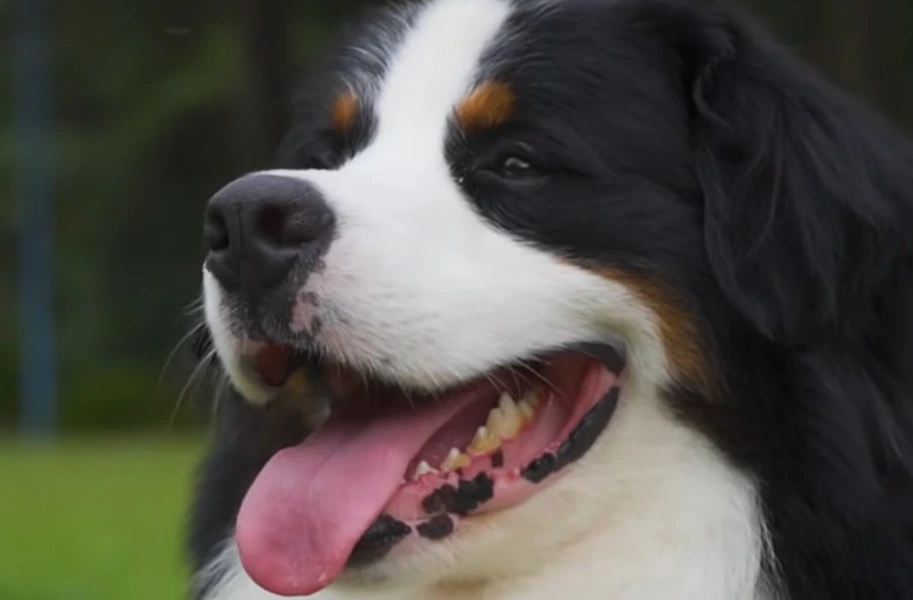
If you have space and want a large dog, the Bernese Mountain Dog offers something the smaller breeds cannot: physical grounding. The sensation of leaning against a large, calm dog or having it rest against you during an anxiety episode has an immediate settling quality that is different from what a smaller dog provides. Bernese dogs form powerful bonds, are deeply gentle, and create a consistent atmosphere of security in a household.
For severe loneliness, grief, and PTSD with an isolation component, they are genuinely valuable. The honest caveat: Bernese Mountain Dogs have a shorter lifespan than most breeds (7-9 years) and a high rate of cancer. This is worth knowing before forming a deep therapeutic bond with one.
- Size: Large (70-115 lbs)
- Energy: Medium
- Apartment friendly: No
- Hypoallergenic: No
- Best for: Loneliness, grief, PTSD with isolation, households with space
- Health watch-out: Short lifespan (average 7-9 years) and high cancer rates – known factors to weigh carefully before choosing this breed
- Not ideal if: You live in an apartment or a consistently hot climate
9. Beagle – The Loneliness Disruptor

The Beagle’s value as an ESA is specifically for loneliness, social isolation, and mild to moderate depression – especially in people who struggle to leave the house. Beagles are relentlessly social, joyful without being hyper, and have a way of breaking through emotional withdrawal that is different from the calm presence of other breeds. They interrupt, in the best way.
They are pack animals who bring a reliably positive energy to a household that helps disrupt negative thought loops. The responsibility of caring for a Beagle – its daily walks, feeding, and engagement needs – also creates external structure that benefits people whose depression disrupts daily routine.
- Size: Medium (20-30 lbs)
- Energy: Medium-high
- Apartment friendly: Challenging (they bark and howl)
- Hypoallergenic: No
- Best for: Loneliness, social isolation, mild to moderate depression
- Health watch-out: Obesity is a real risk – Beagles are extremely food-motivated. Active weight management is important.
- Not ideal if: You live in an apartment with close neighbors
10. Collie – The Quiet Emotional Perceiver
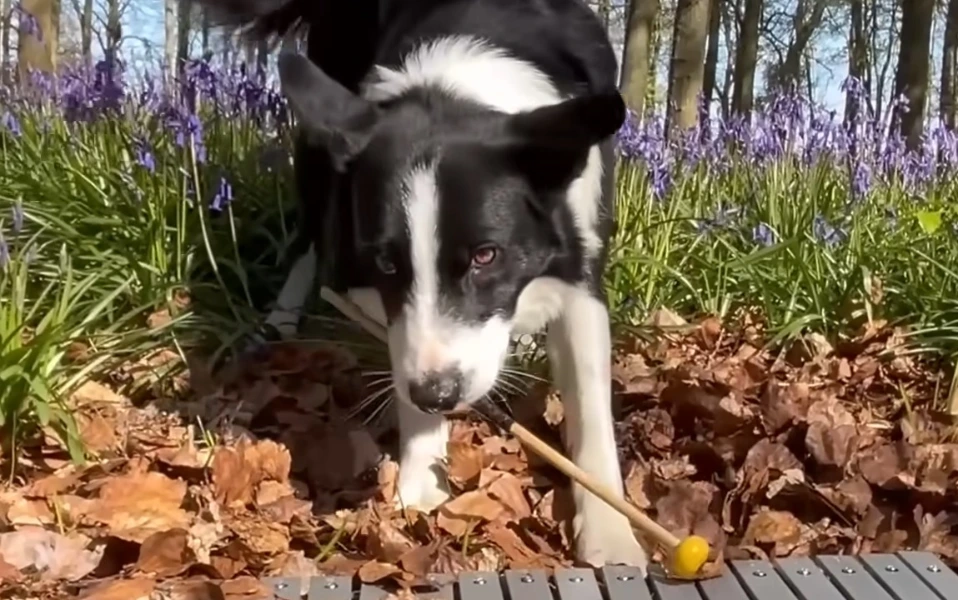
The Rough Collie is one of the most emotionally perceptive dogs you can own – and unlike the retriever breeds, its response to its owner’s distress is quiet and watchful rather than actively warm. Where a Lab or Golden is enthusiastically responsive, the Collie settles near you and waits. For people whose anxiety involves overstimulation, that gentler presence is often easier to manage than the enthusiastic warmth of a Golden or Lab.
The Collie brings calm patience and a stabilizing atmosphere to a household – qualities that benefit anxiety sufferers who need a consistent, non-reactive presence rather than a highly social one.
- Size: Large (50-75 lbs)
- Energy: Medium
- Apartment friendly: With daily exercise
- Hypoallergenic: No
- Best for: Anxiety, particularly anxiety with overstimulation sensitivity
- Health watch-out: MDR1 gene mutation – affects how Collies metabolize certain medications. Any vet should test for this or avoid those drugs.
- Not ideal if: You need a very low-energy dog or live in an apartment
11. Chihuahua – The Portable Anxiety Dog

The Chihuahua’s reputation as a difficult small dog is largely a product of inconsistent ownership. Well-socialized Chihuahuas are alert, loyal, and intensely bonded to one person in a way that provides real comfort to someone living alone with anxiety. They are the most apartment-compatible breed on this list, require minimal exercise, and are portable in a way that matters for people whose anxiety makes travel or public spaces difficult.
For someone with panic disorder or social anxiety who wants a dog they can actually take with them in a bag or carrier, the Chihuahua is worth serious consideration.
- Size: Toy (under 6 lbs)
- Energy: Low-medium
- Apartment friendly: Excellent
- Hypoallergenic: No
- Best for: Anxiety, panic disorder, social anxiety, solo living in small spaces
- Health watch-out: Dental disease is nearly universal in Chihuahuas – regular professional dental care is non-negotiable. Also prone to hypoglycemia.
- Not ideal if: You have young children or want a dog for a family household
12. Basset Hound – The Low-Demand Companion
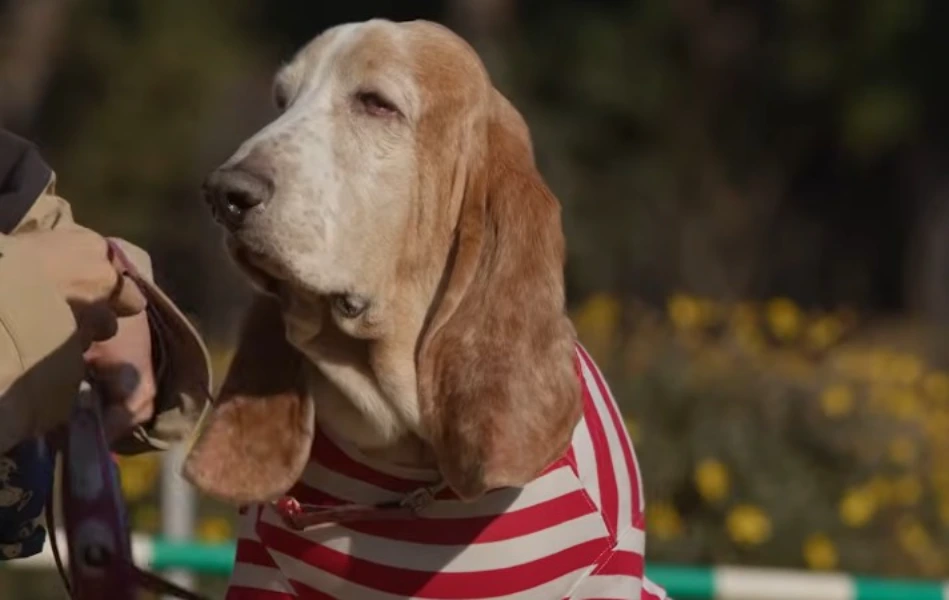
The Basset Hound earns its place on this list for one specific context: severe depression where the owner has very low energy and needs a dog that doesn’t require energy back. The Basset is the most reliably low-maintenance emotional presence you can have. It is calm, quiet companionship that makes no demands. Where other breeds will push you toward activity, the Basset is content to be near you on your worst days without adding any pressure.
For someone in a depressive episode who needs presence without demand – who needs a living being nearby without having to perform energy they don’t have – this quality is genuinely valuable.
- Size: Medium-large (40-65 lbs)
- Energy: Low
- Apartment friendly: Possible (can be vocal)
- Hypoallergenic: No
- Best for: Severe depression, low-energy owners, anyone who needs presence without demand
- Health watch-out: Ear infections are very common because of the long ears – regular ear cleaning is essential. Also prone to obesity.
- Not ideal if: You want a highly responsive, alert companion
Emotional Support Dog Breeds at a Glance
Use this table to compare all 12 breeds side by side before making your decision.
| Breed | Size | Energy | Best Condition | Apartment OK? | Hypoallergenic? |
|---|---|---|---|---|---|
| Golden Retriever | Large | Medium-high | Anxiety, Depression | With exercise | No |
| Labrador Retriever | Large | High | PTSD, Depression | With exercise | No |
| Standard Poodle | Large | Medium-high | Depression, PTSD | With exercise | Yes |
| Cavalier King Charles | Small | Low-medium | Depression, Grief | Excellent | No |
| Yorkshire Terrier | Toy | Medium | Anxiety | Excellent | Yes |
| Bichon Frise | Small | Low-medium | Anxiety, Allergies | Excellent | Yes |
| Shih Tzu | Small | Low | Depression, Anxiety | Excellent | Relatively |
| Bernese Mountain Dog | Large | Medium | Loneliness, PTSD | No | No |
| Beagle | Medium | Medium-high | Loneliness, Depression | Challenging | No |
| Collie | Large | Medium | Anxiety | With exercise | No |
| Chihuahua | Toy | Low-medium | Anxiety, Panic | Excellent | No |
| Basset Hound | Medium-large | Low | Depression | Possible | No |
Breeds That May Not Be the Best ESA Fit
This section doesn’t appear in any other ESA guide – but it’s one of the most useful things you can read before choosing a dog. Some breeds that are widely praised as emotionally intelligent actually create challenges specific to mental health conditions.
German Shepherd
The German Shepherd is one of the most emotionally intelligent dogs alive – and that’s exactly the problem for some PTSD and severe depression handlers. GSDs are deeply empathetic. When their person is struggling, they can begin to struggle too. Multiple service dog handlers in specialized communities report that their GSD became withdrawn, defensive, or visibly anxious during their owner’s difficult periods. For severe PTSD, that mirroring effect can compound the problem rather than ease it. German Shepherds can make excellent ESAs for anxiety that is mild to moderate, but for serious PTSD, the emotional mirroring is a real risk to consider.
Belgian Malinois
The Malinois is an outstanding working dog – and an overwhelming pet for most people managing mental health conditions. The breed has extremely high drive, requires significant daily mental and physical stimulation, and has a wash rate in service dog training programs that reflects how difficult it is to manage. Getting a Malinois appropriate for psychiatric service dog work typically requires $10,000 or more in professional training and ongoing management. The mismatch between the breed’s needs and the low-energy reality of depression or severe anxiety is not a good starting point.
Australian Shepherd
The Australian Shepherd is intelligent, loyal, and beautiful. It is also a herding breed with significant daily mental stimulation needs. An Australian Shepherd that isn’t adequately exercised and mentally engaged becomes anxious, destructive, and reactive – exactly the opposite of what you need when you’re managing anxiety yourself. For someone who can meet those needs, the breed is wonderful. For someone in the middle of depression or high-anxiety periods, an under-stimulated Australian Shepherd will increase your stress load, not reduce it.
Rescue Dogs with Unknown Trauma History
This isn’t a breed – it’s a situation. A rescue dog with its own unresolved anxiety, fear-based reactivity, or trauma history is not automatically a poor choice, but it does mean you’re managing two sets of emotional needs simultaneously. For someone who is already in a mental health crisis, that’s a significant added burden. If you’re considering a rescue dog as an ESA, working with a rescue organization that conducts thorough behavioral assessments and is honest about the dog’s history will make a substantial difference.
Best Emotional Support Dog by Condition
Anxiety, depression, and PTSD are different conditions with different needs. The breed that’s right for one person may not be right for another, even if both have anxiety. Here’s how to narrow your choice by condition.
Best ESA Dogs for Anxiety Disorder
For generalized anxiety disorder (GAD) and panic disorder, you want a dog with a calm, non-reactive temperament that doesn’t amplify stimuli. The best choices are Golden Retriever, Bichon Frise, Cavalier King Charles Spaniel, and Standard Poodle. For apartment-based anxiety, the Yorkshire Terrier and Chihuahua add the practical benefit of small size and minimal exercise requirements.
Best ESA Dogs for Depression
For major depression, the most valuable quality in a dog is its ability to gently pull the owner out of withdrawal – not by demanding, but by being present in a way that creates forward motion. The Standard Poodle and Labrador Retriever are the top choices here because of their task-oriented energy. The Cavalier King Charles Spaniel is best for people who need deep emotional closeness. The Beagle works well for people who respond to joyful disruption of negative thought loops. The Basset Hound is the right choice when depression is severe and the owner needs presence without any demands at all.
Best ESA Dogs for PTSD
PTSD has specific demands: the dog must have genuine emotional stability (not mirroring), a calm and grounding physical presence, and ideally no reactive barking or startling behavior. The Labrador Retriever (especially black Lab) and Standard Poodle are the most consistently recommended by PTSD handlers and psychiatric service dog trainers. The Bernese Mountain Dog is an excellent choice for PTSD with isolation if you have the space. The Collie works well for PTSD with overstimulation sensitivity.
Best ESA Dogs for Loneliness and Grief
For loneliness and grief, the depth of the bond matters most. The Cavalier King Charles Spaniel, Bernese Mountain Dog, and Labrador Retriever form the deepest bonds and are most attuned to their owner’s presence. The Beagle is valuable if the loneliness involves social isolation – the dog’s social, curious nature makes the household feel less empty.
Best ESA Dogs for Allergies
If allergies are a constraint, your best options are the Standard Poodle (best all-around hypoallergenic choice), Bichon Frise (calmest hypoallergenic option), Yorkshire Terrier, and Maltese. It’s worth noting that “hypoallergenic” means lower allergen production, not zero – no dog is completely allergen-free. Spending time with a specific dog before committing is the only reliable test.
Best ESA Dogs for Children with Anxiety
For children dealing with anxiety, PTSD, or depression, the Golden Retriever and Labrador Retriever are the most reliably safe and appropriate choices – they are gentle with children, tolerate unpredictable behavior without reacting, and form strong bonds with the whole family. The Beagle is also an excellent choice for anxious children who respond to playful, joyful energy.
Choosing the Right ESA Dog for Your Lifestyle
Best for Apartment Living
Chihuahua, Yorkshire Terrier, Bichon Frise, Shih Tzu, and Cavalier King Charles Spaniel. All are small to medium, low-exercise, and comfortable in limited space.
Best for Seniors
Shih Tzu, Cavalier King Charles Spaniel, and Basset Hound. Low exercise demands, calm energy, and affectionate without being physically overwhelming.
Best for Someone Living Alone
Cavalier King Charles Spaniel, Standard Poodle, and Labrador Retriever. These breeds bond deeply to one person and provide the most consistent therapeutic presence for solo households.
Best Low-Maintenance ESA
Basset Hound, Shih Tzu, and Bichon Frise. Minimal exercise needs, calm temperament, and adaptable to quiet days.
Best for Active Owners
Labrador Retriever, Golden Retriever, Collie, and Beagle. These breeds thrive with regular outdoor activity and reinforce healthy routine for owners who can sustain it.
ESA vs Service Dog vs Therapy Dog: What’s the Difference?
These three categories are frequently confused – and the legal distinctions matter significantly for housing, travel, and public access rights.
| Emotional Support Animal (ESA) | Psychiatric Service Dog (PSD) | Therapy Dog | |
|---|---|---|---|
| Training required? | No | Yes – specific disability-related tasks | Some |
| Public access rights? | No | Yes (ADA) | Facility-only by invitation |
| Housing rights? | Yes (Fair Housing Act) | Yes (ADA) | No |
| Airline access (2021+)? | Not required | Varies by airline policy | No |
| Requires ESA letter? | Yes | No (task-trained) | No |
Emotional Support Animal (ESA): Any breed, no training required. Provides emotional support through companionship. Requires a letter from a licensed mental health professional (LMHP) for housing accommodations under the Fair Housing Act. No public access rights – an ESA cannot go into restaurants, stores, or hotels under ESA status.
Psychiatric Service Dog (PSD): Task-trained specifically for a person’s mental health disability. Tasks might include interrupting panic attacks, performing room checks for PTSD, reminding the owner to take medication, or deep pressure therapy during dissociative episodes. PSDs have full public access rights under the ADA – they can go anywhere their handler goes. No letter is required because the dog is task-trained. Many people with anxiety or PTSD qualify for a PSD rather than an ESA, and the difference in rights is significant.
Therapy Dog: Works with a handler to provide comfort to other people – in hospitals, schools, nursing homes, and disaster response. The relationship is with the facility and the people there, not specifically with the handler. Therapy dogs have no public access rights of their own.
Your ESA Rights Under US Law
Fair Housing Act (FHA)
Under the Fair Housing Act, housing providers must provide reasonable accommodation to tenants with disabilities who require an emotional support animal. This means:
- A landlord with a no-pets policy must still allow your ESA with a valid ESA letter
- No pet deposit can be charged for an ESA (though you are responsible for damage the animal causes)
- Breed and size restrictions that apply to pets do not apply to ESAs
- The housing provider can request documentation – a valid ESA letter from your LMHP
- HOA rules banning pets also do not apply to ESAs
HUD guidance updated in 2020 clarified that housing providers can request ESA letters for animals that are not commonly kept in households (unusual species), but for dogs and cats, a valid letter from a treating LMHP is the standard.
Air Carrier Access Act (ACAA) – 2021 Change
Important update: As of January 2021, the Department of Transportation changed the ACAA rules. Airlines are no longer required to accommodate emotional support animals. Most major US airlines – including Delta, United, American, and Southwest – now treat ESAs as pets subject to the same fees and carrier requirements as any other pet.
Psychiatric service dogs (PSDs) are treated differently – most airlines have their own PSD policies that provide more accommodation than ESAs, though documentation requirements vary by carrier. If flying with your dog is important to you, a PSD may be worth exploring.
ADA and Public Access
The Americans with Disabilities Act (ADA) covers service dogs specifically – dogs task-trained to perform specific work related to a disability. ESAs are not covered by the ADA and do not have public access rights. A business can legally ask an ESA to leave a restaurant, store, or hotel. Only task-trained service dogs – including PSDs – have the right to accompany their handler in all public places.
State Laws
Some states have ESA protections that go beyond federal law. California, for example, has specific state housing protections for ESAs. If your situation involves housing disputes or workplace accommodation, it is worth checking your specific state’s laws in addition to federal rights.
How to Get an ESA Letter in the US
An ESA letter is the only legal documentation that qualifies a dog as an emotional support animal for housing purposes. Here’s how the process works.
- See a licensed mental health professional (LMHP) in your state. This includes psychiatrists, psychologists, licensed clinical social workers (LCSWs), licensed professional counselors (LPCs), and licensed marriage and family therapists (LMFTs). The professional must be licensed in the state where you reside.
- Discuss how an ESA would support your mental health treatment. The LMHP assesses whether a mental health condition is present and whether an ESA is an appropriate part of treatment. You don’t need to already own a dog – the letter can be written in anticipation of getting one.
- The LMHP writes the letter on official letterhead. The letter must include the professional’s license number and state, the fact that you have a disability and that an ESA is recommended as part of your treatment or accommodation needs. It does not need to disclose your specific diagnosis.
- Provide the letter to your housing provider when requesting accommodation. The housing provider can verify the license with the state licensing board, but cannot demand your medical records or the specific diagnosis.
- Renew annually if required. Some housing providers request updated letters annually to confirm the ongoing therapeutic need.
Red Flags: ESA Letter Scams to Avoid
The ESA letter industry has significant fraud. Watch for these warning signs:
- Instant letters with no real consultation – a valid letter requires a genuine assessment of your mental health condition
- “ESA registration” or “ESA certification” – there is no national ESA registry. These are not legally recognized documents.
- Letters from out-of-state providers with no treatment relationship – housing providers can ask that the LMHP be licensed in your state
- Websites that issue a letter within minutes of a questionnaire – these letters are legally questionable and housing providers are increasingly aware of them
The only valid ESA documentation is a letter from a licensed professional who has actually assessed your mental health condition and determined that an ESA is appropriate for your treatment.
The 3-3-3 Rule for a New ESA Dog
If you’ve just brought home a new dog or are about to, understanding the 3-3-3 rule will save you a significant amount of anxiety and misplaced concern about whether you made the right choice.
The 3-3-3 rule describes the adjustment period most dogs go through when they enter a new home:
The First 3 Days – Decompression
Your dog is overwhelmed. Everything is new – the smells, the sounds, the people, the routine. Many dogs are shut down, nervous, or unresponsive during this period. Some won’t eat. Some won’t play. This is not the dog showing you who it is – it’s the dog trying to process an enormous change. Don’t push interaction. Keep the environment quiet and calm. Let the dog explore at its own pace.
The First 3 Weeks – Learning the Routine
By week three, the dog understands that this is its home now. It starts learning your routine – when you wake up, when meals happen, when walks happen. It begins to feel safe. Training can begin in earnest. The dog’s real personality starts to surface. Some quirks will appear that weren’t there in the first week (a bark here, a preference there) – this is normal. The dog is becoming itself.
The First 3 Months – Feeling at Home
At the three-month mark, the dog finally feels fully at home. The bond between dog and owner is now established. The therapeutic relationship is real – this is when the emotional support function reaches its full potential.
For ESA owners specifically, this timeline is worth knowing because the first three days with a new dog can feel discouraging. The dog may not seem comforting at all during decompression – it may seem like a source of stress. That’s temporary. The 3-3-3 rule is the reason experienced trainers and handlers say “give it time” before evaluating whether a dog is the right fit.
Frequently Asked Questions
Can you get a service animal for anxiety?
Yes – but which type depends on your situation. If you have an anxiety disorder, you can qualify for an emotional support animal (ESA) with a letter from a licensed mental health professional. An ESA provides housing protections under the Fair Housing Act but has no public access rights. If your anxiety is severe and a trained dog performs specific tasks to interrupt panic attacks, check rooms, or assist during dissociative episodes, you may qualify for a psychiatric service dog (PSD), which has full public access rights under the ADA. Many people with anxiety and PTSD qualify for a PSD rather than just an ESA – the difference in rights is significant.
What is the 3-3-3 rule for dogs with anxiety?
The 3-3-3 rule describes a new dog’s adjustment period: 3 days to decompress and begin to feel safe, 3 weeks to learn your routine and start to trust, and 3 months to truly feel at home and show its full personality. For ESA owners, this means the emotional support bond develops over time – the therapeutic relationship you’re looking for typically reaches its full potential at the three-month mark. If a new dog seems anxious or shut down in the first few days, that’s the 3-3-3 rule at work, not a sign that the dog is wrong for you.
What are the best hypoallergenic emotional support dogs?
The best hypoallergenic ESA dogs are the Standard Poodle, Bichon Frise, Yorkshire Terrier, and Maltese. The Standard Poodle is the top choice overall – it combines a low-allergen coat with high emotional intelligence, task-focused temperament, and genuine suitability for depression and PTSD. The Bichon Frise is the calmest hypoallergenic option for anxiety. The Yorkie and Maltese are best for small-space apartment living with allergies. No dog is completely allergen-free, so spending time with a specific dog before committing remains the most reliable test.
What is the most emotionally needy dog breed?
The Cavalier King Charles Spaniel is widely considered the most emotionally needy breed. They form intensely close bonds with their primary person, seek constant physical contact, and become genuinely distressed when left alone for extended periods. For severe depression and loneliness, this intensity is a therapeutic strength. For owners who are away from home regularly, it becomes a management challenge – the breed develops separation anxiety in those situations.
What’s the calmest hypoallergenic dog?
The Bichon Frise is generally considered the calmest hypoallergenic dog. It has a naturally low-energy, cheerful temperament, minimal exercise requirements, and an affectionate but non-overwhelming personality. It’s well-suited to apartment living and anxiety management because it doesn’t amplify a stressful environment with its own energy demands.
Does an emotional support dog need to be trained?
No specific training is legally required for an ESA – unlike service dogs, which must be task-trained. However, basic obedience training is strongly recommended. A dog that jumps on people, pulls on the leash, or reacts aggressively creates stress rather than reducing it. The ESA designation is about the therapeutic bond and your LMHP letter, not the dog’s training level – but a well-behaved dog makes the relationship significantly more effective.
Can any dog be an emotional support animal?
Yes. Any breed of dog can legally be an ESA as long as the owner has a valid ESA letter from a licensed mental health professional. There are no breed restrictions under the Fair Housing Act – even a breed a landlord would otherwise prohibit must be allowed as an ESA with proper documentation. That said, breed selection still matters for practical and therapeutic effectiveness. The right breed for your specific condition, living situation, and lifestyle will provide substantially better support than a random choice.
What are the clingiest dog breeds?
The breeds most known for velcro-dog clinginess – constant physical closeness and deep attachment to one person – are the Cavalier King Charles Spaniel, Vizsla, Maltese, Chihuahua, Shih Tzu, and Yorkshire Terrier. For ESA purposes, this clinginess is often a feature rather than a drawback – the deep bond these breeds form with one person is a core part of what makes them therapeutically effective for depression and loneliness.