Why Do Dogs Sleep So Much? The Complete Guide for Dog Owners
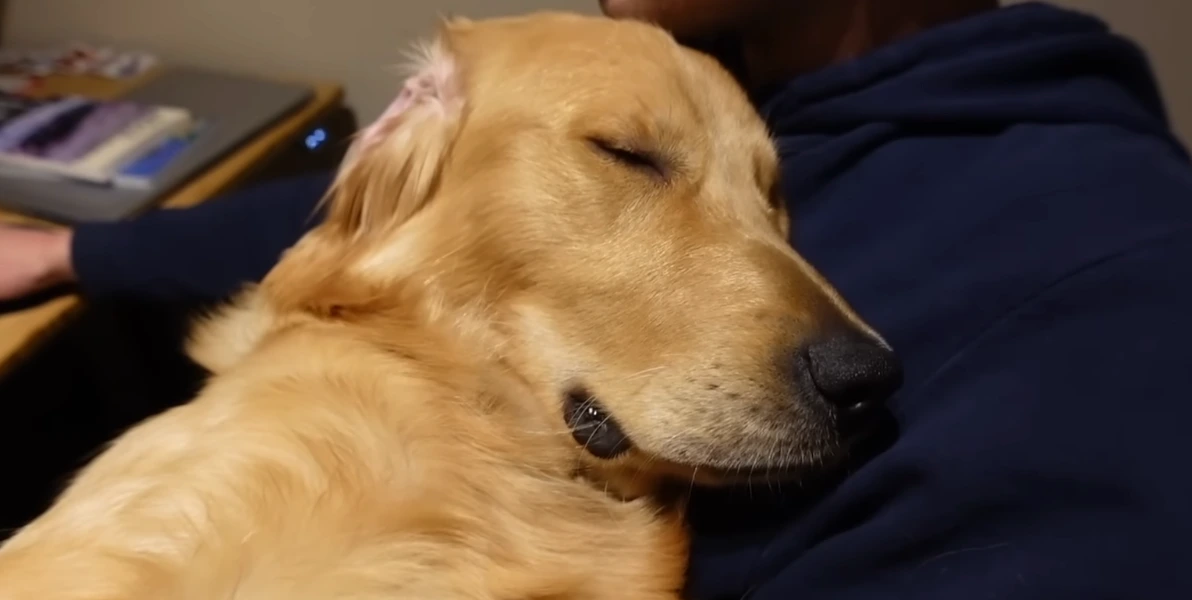
Dogs sleep between 12 and 14 hours a day on average because they are polyphasic sleepers who only spend about 10% of their sleep time in REM – compared to 25% for humans. This means they need significantly more total hours to get the same restorative sleep. Add in their evolutionary drive to conserve energy between bursts of activity, and the fact that a dog with nothing to do simply powers down, and all those naps start making perfect sense.
The first time you catch your dog sleeping through the morning, most of the afternoon, and half the evening, it feels like something must be wrong. For the overwhelming majority of dogs, it is not. Sleeping is what dogs are built to do when nothing else demands their attention.
How Much Sleep Do Dogs Actually Need?
Not all dogs need the same amount of sleep. Life stage makes the biggest difference, followed by breed size, activity level, and health.
| Life Stage | Age | Daily Sleep |
|---|---|---|
| Neonatal | 0 to 3 weeks | Up to 22 hours |
| Puppy | 3 weeks to 1 year | 18 to 20 hours |
| Adult | 1 to 7 years | 12 to 14 hours |
| Senior | 7 years and up | 16 to 18 hours |
Giant breeds such as Great Danes and Mastiffs may enter their senior years as early as age 5, and their sleep needs increase accordingly. A dog who had a full day at doggy daycare or a long trail run with you may sleep 16 to 20 hours that night. That is not excessive – that is normal physical recovery.
Does Breed Size Affect How Much Dogs Sleep?
Large and giant breeds tend to sleep more than smaller dogs. Working breeds – Border Collies, Australian Shepherds, Siberian Huskies – sleep noticeably less when given a job and meaningful exercise, but can become heavy sleepers when under-stimulated. Small companion breeds like Chihuahuas and Yorkshire Terriers often mirror their owner’s schedule more closely.
Why Do Dogs Sleep So Much? 7 Science-Backed Reasons
There is not one single explanation. Dog sleep is shaped by biology, evolution, behavior, and environment. Here are the core reasons, grounded in what we actually know.
1. The REM Deficit – Dogs Need More Hours for the Same Rest
This is the central biological reason. Dogs spend only about 10% of their total sleep time in REM (rapid eye movement) sleep – the deep, restorative phase where memory consolidation, emotional processing, and cellular repair happen. Humans spend roughly 25% of their sleep in REM.
The result: to accumulate the same amount of truly restorative sleep, dogs must stay in bed considerably longer. It takes dogs approximately 10 minutes to transition from light slow-wave sleep (SWS) into REM, compared to about 90 minutes for humans. Those short, frequent cycles make each one less efficient in terms of deep rest.
2. Polyphasic Sleep Pattern – Multiple Cycles, Not One Long Block
Humans are monophasic sleepers – one long block of sleep per day, usually at night. Dogs are polyphasic sleepers. They cycle in and out of sleep multiple times across the full 24-hour day, in shorter bursts.
This is why your dog can be fully awake and engaged with you at 2pm, deeply asleep by 2:15pm, and back up and alert by 3pm. Each sleep cycle is shorter and shallower than a human’s, which is part of why dogs appear to be such light sleepers – they spend less time in the deeper stages of each cycle. It is also why they can respond quickly to sounds and movement even from what looks like deep sleep.
3. The “Off Switch” – Energy Conservation from Ancient Instinct
Dogs evolved as predators that needed to conserve energy between hunts. That biological programming did not disappear when dogs became our household companions. When there is nothing happening in the environment – no threat to respond to, no task to complete, no interesting stimulus – a dog’s nervous system essentially enters a low-power mode.
Dog trainers and behaviorists sometimes call this the “off switch.” It is most visible in hunting breeds and working dogs. A well-bred pointer designed to work in the field for hours can also lie completely still for hours when nothing is asked of them. This is not boredom or laziness – it is a feature of their design.
4. Activity Bursting – Full Effort Demands Full Recovery
Watch a dog play and you will notice something: they do not pace themselves. They run at 100% effort, wrestle at full intensity, fetch until their body physically forces them to stop. This all-or-nothing approach to activity is completely natural, but it means that physical recovery demands are high.
After a burst of genuine exertion – a long run, an intense play session, a full day at doggy daycare – deep recovery sleep follows. The length and depth of post-exercise sleep is directly proportional to the intensity of the activity. This is not a problem to manage. It is the system working correctly.
5. Brain Work – Memory Consolidation and Learning
Sleep is when the brain processes and stores what happened during waking hours. This is true for dogs just as it is for humans. After a training session, an encounter with unfamiliar dogs, a trip to a new place, or any experience that required mental engagement, dogs sleep more. The brain is not resting – it is working.
This is especially relevant for puppies, whose brains are developing rapidly. Sleep does not interrupt learning – sleep is part of the learning process. Growth hormone is also primarily released during sleep, meaning that a sleeping puppy is literally building muscle, bone, and neurological pathways.
6. Life Stage – Age Changes Everything
Puppies are building an entire body from scratch and need 18 to 20 hours a day to do it. Adult dogs maintain and recover. Senior dogs move more slowly, tire more quickly, and need more rest to manage the demands that normal daily activity places on aging joints, organs, and metabolism. As dogs age, the efficiency of their sleep often decreases as well, so they need more hours to get the same quality of rest.
7. Environment and Owner Influence
Dogs are highly responsive to their environment. A sedentary household – owner works long hours, minimal walks, low stimulation – produces a more sedentary dog. Research consistently shows that dogs adapt their activity patterns to match the household rhythm. This is not harmful. But it is worth knowing: if you change your dog’s routine by adding more walks, introducing puzzle toys, or starting training sessions, their sleep patterns will shift accordingly.
Why Do Dogs Sleep So Much During the Day?
If you work from home, you have almost certainly noticed that your dog spends a significant part of your workday asleep at your feet or on the couch nearby. This is completely normal, and understanding why removes any lingering concern about it.
Dogs are largely diurnal – most naturally active during daylight hours – but they are not strictly so. Unlike humans, who are designed to be awake all day and sleep all night, dogs are polyphasic. Their biological clock supports multiple sleep periods spread throughout the day. Napping during the day is not a sign that your dog is bored or under-stimulated. It is simply how their sleep architecture works.
The timing also matters. Most dogs are most alert during the early morning and early evening – what animal behaviorists sometimes refer to as crepuscular activity patterns. The midday stretch is a natural low-energy period for them, regardless of what is going on around them.
If your dog was home alone while you were at work and slept most of the day, that is also normal. A dog left in a quiet house with nothing demanding their attention will default to sleep, conserving energy for when you come home. That burst of excitement when you walk through the door is not evidence they were lonely and miserable all day – it is the energy conservation strategy paying off.
The sign of an actually under-stimulated dog is not sleep. It is destruction: chewed furniture, scratched doors, overturned trash cans. A dog who naps quietly while you work and greets you happily when you return is doing exactly what a well-adjusted dog does.
Why Do Dogs Sleep So Much Compared to Humans?
The short answer is REM. The longer answer involves how the entire sleep architecture of dogs differs from ours.
A human sleep cycle lasts about 90 minutes. Within that cycle, we move through light sleep, deep slow-wave sleep, and REM – with REM getting longer in each subsequent cycle through the night. By the end of a full 8-hour night, a healthy adult has spent nearly 2 hours in REM.
A dog’s sleep cycle lasts approximately 16 to 45 minutes. The transition from slow-wave sleep into REM takes about 10 minutes. Because the cycles are so short, the REM window in each one is narrow. A dog would need many more cycles – and therefore many more total hours – to accumulate the same 2 hours of REM a human gets in one night.
For context, dogs are not unusual in the animal kingdom. Lions sleep 18 to 20 hours a day. Cats sleep 12 to 16 hours. Squirrels average around 15 hours. Horses manage on about 3 hours because their sleep is structured very differently. Humans, with 7 to 9 hours, are actually on the lower end of mammalian sleep needs.
One thing Reddit dog owners have pointed out more than once: watching a dog rest deeply, without anxiety or guilt or a mental to-do list, is genuinely enviable. Dogs do not lie awake running through tomorrow’s problems. When they sleep, they sleep completely. The comparison to humans says as much about human sleep quality as it does about dogs.
Why Do Senior Dogs Sleep So Much?
If your dog is 7 or older and you have noticed them sleeping more than they used to, this is one of the most consistent and predictable changes that comes with age in dogs – and it is usually nothing to worry about on its own.
Several things happen as dogs enter their senior years:
- Metabolism slows. The body requires more energy to perform the same functions it handled easily before. A walk that was effortless at age 3 is genuinely tiring at age 10.
- Joints and muscles change. Arthritis is extremely common in senior dogs. Pain and stiffness following activity – even modest activity – results in more recovery sleep. The sleep is the body doing what it needs to do.
- Sleep quality decreases. Older dogs, like older humans, often experience lighter and less restorative sleep. They may wake more during the night and compensate with more daytime rest.
- Cognitive function shifts. Canine cognitive dysfunction (similar to dementia in humans) can cause disrupted sleep patterns in older dogs – more sleep during the day, more restlessness at night. If you notice a reversal of day/night sleep patterns alongside confusion or disorientation, this warrants a vet conversation.
The key distinction: an older dog sleeping more than they used to, but still engaging normally when awake – eating well, recognizing you, moving around without obvious distress – is showing normal aging. The concern is when increased sleep is paired with other changes: reduced appetite, difficulty rising, confusion, excessive thirst, or reluctance to do things they previously enjoyed.
Why Is My Dog Sleeping So Much All of a Sudden?
A dog who has always been a moderate sleeper but suddenly shifts to sleeping significantly more over a period of days is worth paying attention to. The question is not whether the extra sleep itself is alarming – it rarely is in isolation – but whether anything else is changing alongside it.
Step 1 – Look for Behavioral Causes First
Before assuming a medical issue, consider what has changed in the environment recently:
- New schedule or household routine change
- Recent travel, boarding, or time at a kennel
- New pet or person in the home
- Recent vaccination or medical procedure
- Significant increase in physical activity such as a long hike or more daily walks
- Loss of a companion animal or household family member
Any of these can cause a temporary increase in sleep. Recovery from stress, travel, or new experiences is legitimate and normal. Give it 48 to 72 hours before escalating to concern.
Step 2 – Watch for These Warning Signs
If the extra sleep comes with any of the following, contact your vet:
- Lethargy while awake – not just sleeping more, but seeming dull or unresponsive when they should be alert
- Reduced interest in food or complete appetite loss
- Unusual thirst or more frequent urination
- Weight change without a diet change
- Vomiting or diarrhea alongside increased sleeping
- Difficulty standing, walking, or climbing stairs
- Disorientation or confusion
- Loss of interest in activities they normally enjoy
- Pale or white gums, which can indicate anemia
Medical Conditions That Can Cause Excessive Sleep
| Condition | Additional Signs to Watch For |
|---|---|
| Hypothyroidism | Weight gain, dull or thinning coat, cold intolerance, slow movements |
| Diabetes | Excessive thirst, frequent urination, weight loss despite eating |
| Anemia (from parasites) | Pale gums, weakness, rapid or labored breathing |
| Canine depression | Social withdrawal, appetite change, loss of interest in play |
| Arthritis | Stiffness after rest, slow to rise, reluctance to use stairs |
| Kidney disease | Increased thirst, reduced appetite, vomiting, weight loss |
| Parvovirus | Severe lethargy, vomiting, bloody diarrhea – requires emergency vet |
| Poisoning | Sudden extreme lethargy, drooling, vomiting – requires emergency vet |
If you are unsure, call your vet and describe the full picture – not just the sleep change, but everything you have noticed in the past week. Sleep alone is rarely a diagnosis. Sleep plus a pattern of other changes is a reason to get checked.
Is My Dog Bored or Just Tired? How to Tell the Difference
This is one of the most commonly misread situations in dog ownership, and getting it wrong in either direction causes problems. The core truth: sleeping dogs are almost never bored. Bored dogs do not quietly nap. They cause problems.
What a Bored Dog Actually Looks Like
A dog whose stimulation needs are not being met does not go find a comfortable spot and settle in for a nap. They typically:
- Chew furniture, shoes, baseboards, or anything accessible
- Pace restlessly, unable to settle even when they lie down
- Bark or whine persistently, especially when left alone
- Follow their owner from room to room seeking interaction
- Knock over trash cans, raid counters, or engage in destructive behavior
- Become hyperactive or frantic when any stimulation is offered
A dog expressing these behaviors before eventually giving up and lying down exhausted is not resting – they are shutting down after failing to get what they need.
What a Content, Well-Rested Dog Looks Like
- Settles easily into sleep without restlessness
- Wakes up bright and responsive at meal times, walk times, and your arrival
- Shows normal or high energy when activity is offered
- Has no destructive behavior during waking hours
- Chooses to rest near you comfortably rather than demanding constant engagement
The dog who comes home from an active day at doggy daycare, eats their dinner, and sleeps for 14 hours is not under-stimulated. They are exactly where a well-cared-for dog should be. If you are genuinely unsure whether your dog gets enough stimulation, the place to look is their waking behavior – not their sleeping behavior.
Which Dog Breeds Sleep the Most?
While every dog is an individual, certain breeds have physical and temperamental traits that tip them toward more sleep on average.
The Heavy Sleepers
Large and giant breeds consistently sleep more than small and medium breeds. The leading explanations involve the energy demands of maintaining a larger body, lower baseline metabolism per pound, and the physical wear that size alone places on joints and muscles over time.
- Basset Hound – legendary for their love of horizontal surfaces; bred for slow, methodical tracking work between bursts of nose-down effort
- English Bulldog – low energy, high napping; brachycephalic breeds also expend more energy on basic breathing, which increases their rest needs
- Mastiff – can reach 18 hours of sleep per day; giant body, calm and steady temperament
- Saint Bernard – large body, calm disposition, built to conserve energy in cold mountain conditions
- Newfoundland – gentle giants who sleep heavily between activity bursts; well-suited to cold climates where conserving body heat matters
- Great Dane – size makes them tire easily; sleep is their natural default state between activity
- Chow Chow – independent and calm, not known for constant activity demands
- Shih Tzu and Pug – companion breeds with minimal exercise drive; Pugs, like all brachycephalic breeds, require more recovery rest due to the effort of breathing
The “Off Switch” Breeds
Hunting and working breeds were specifically selected for the ability to transition quickly between full activation and complete rest:
- Pointers, spaniels, and retrievers – bred to work intensely and then wait completely still for the next command; their rest is as trained as their work
- Great Pyrenees and Maremma Sheepdogs – livestock guardian breeds that sleep heavily during daylight hours; their natural alert and patrol period is at night, not during the day
Lighter Sleepers (When Given a Job)
Working breeds with high drive sleep significantly less when their needs are met through meaningful exercise and mental engagement:
- Border Collie
- Australian Shepherd
- Belgian Malinois
- Siberian Husky
Important note: these breeds can become heavy sleepers when under-stimulated. The difference is not in how much they sleep when tired – it is in how quickly they become tired from lack of meaningful activity. An under-exercised Border Collie does not become a calm house dog. They become a problem.
How to Support Healthy Dog Sleep
You cannot make a dog sleep more or less than their body needs. What you can influence is the quality of their sleep and whether their daily routine supports genuine rest.
Give Them a Proper Sleeping Surface
A dog sleeping on hard flooring, a thin mat, or a bed that does not support their weight is not sleeping as well as they could be. For large breeds and senior dogs especially, an orthopedic memory foam dog bed makes a measurable difference in sleep quality and joint recovery. Place it in a low-traffic area where they can rest without being repeatedly disturbed.
Keep a Consistent Daily Routine
Dogs thrive on predictability. Regular feeding times, consistent walk schedules, and a predictable sleep environment help regulate their internal clock and improve overall sleep quality. This is especially important for puppies and recently adopted dogs, who are still learning what their days look like. A predictable day produces a calmer, more settled dog.
Exercise and Mental Stimulation Before Rest
Physical exercise improves sleep quality in dogs the same way it does in humans. A dog who has had a genuine workout – not just a quick bathroom trip outside, but actual aerobic activity – sleeps more deeply and more restoratively than a dog who has been sedentary.
Mental stimulation matters equally. Training sessions, puzzle feeders, sniff walks, and new environments create a type of tiredness that physical exercise alone does not produce. A dog who has used their brain is a dog who sleeps with genuine satisfaction. This is the foundation behind puzzle toys, lick mats, and nose-work activities – they produce the kind of exhaustion that leads to deep, contented sleep.
The Puppy Night Schedule
Puppies need overnight bathroom trips during their first several months. The standard formula from the American Kennel Club: take a puppy’s age in months and add one. That is roughly how many hours they can hold their bladder overnight without an accident.
A 3-month-old puppy needs a bathroom trip every 4 hours. A 5-month-old every 6 hours. By 9 to 10 months, most dogs can make it through a full night – typically 10 to 12 hours – without needing to go out. Sticking to a consistent overnight routine during this period builds the habit and helps both of you sleep better faster.
Frequently Asked Questions About Dog Sleep
Is it normal for a dog to sleep all day?
For most dogs, yes. Adult dogs sleep between 12 and 14 hours out of every 24. Combined with the additional time they spend awake but resting quietly, it can appear as though your dog barely moves. As long as they are alert and engaged when activity is offered – meals, walks, your return home – all-day sleeping is well within the normal range.
Are dogs that sleep a lot happy?
Generally, yes. A sleeping dog is almost always a content dog. Dogs that are bored, anxious, or under-stimulated express that through behavior during their waking hours – destruction, excessive vocalizing, restlessness, or inability to settle. A dog who sleeps soundly, wakes up bright and engaged, and settles easily back into rest is showing the signs of a well-adjusted, needs-met animal.
Should I let my dog sleep as much as he wants?
Yes. Dogs self-regulate sleep effectively and do not benefit from being kept artificially awake. Interrupting a sleeping dog serves no purpose and can cause confusion or stress. The exception is a sudden and significant increase in sleep paired with other behavioral or physical changes – at that point, a vet check is worth it.
Why does my dog sleep so much at night?
Dogs are largely diurnal – most naturally align their most active periods with daylight hours and their primary rest period with nighttime. Sleeping 8 to 10 hours overnight is healthy and expected. Added to daytime naps, this brings them to their total daily sleep need of 12 to 14 hours for adult dogs.
Do dogs like blankets over them?
Many do. Burrowing under or against something satisfies a denning instinct that dogs carry from their wild ancestors, who slept in confined spaces for warmth and security. If your dog actively seeks out blankets or settles against cushions and pillows, this is instinctive comfort-seeking behavior. Whether any individual dog enjoys blankets depends on their personal temperature preference and breed.
How do I know if my dog is sleeping too much?
Sleep duration alone is rarely the indicator. Watch for sleep combined with behavioral changes: lethargy while awake, appetite loss, unusual thirst, weight change, difficulty moving, or loss of interest in activities they normally enjoy. Any of those alongside increased sleep is worth a vet call. If your dog sleeps a lot but wakes up bright, eats normally, and behaves normally, there is likely nothing wrong.
Why is my dog sleeping more after starting a new exercise routine?
This is normal physical and mental recovery. Increased output demands increased rest. As long as your dog seems alert, responsive, and behaviorally normal when awake, more sleep after increased activity is healthy adaptation. It typically evens out after a couple of weeks as the dog’s fitness level improves.
Why do dogs sleep so much more than humans?
Because dogs spend only around 10% of their sleep in REM – the deep, restorative phase – compared to approximately 25% for humans. To accumulate enough restorative REM sleep, dogs simply need more total hours. Add in their polyphasic sleep pattern, shorter sleep cycles, and evolutionary drive to conserve energy between bursts of activity, and 12 to 14 hours of daily sleep is exactly what their biology is designed for.