Why Is My Dog Limping? Every Cause, What to Check First, and When to Worry
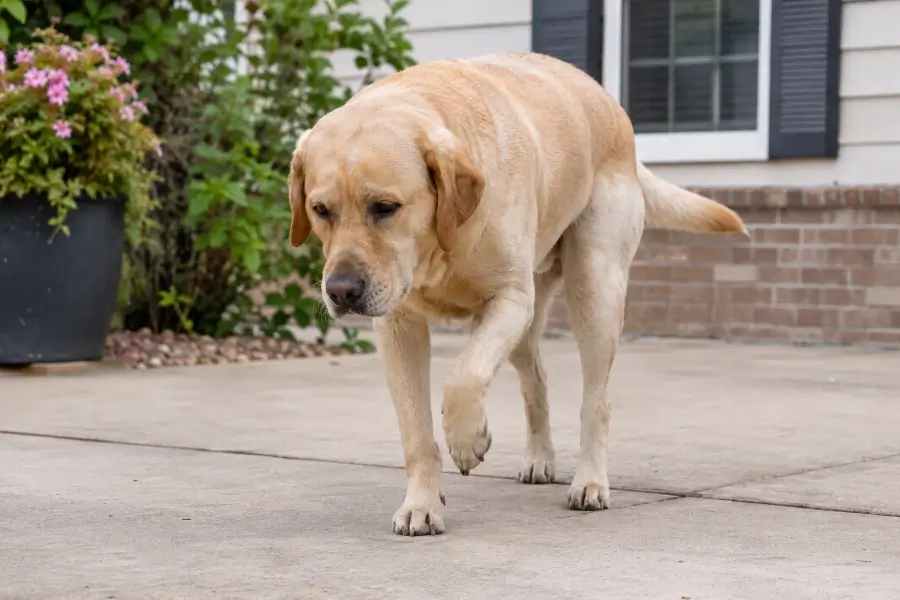
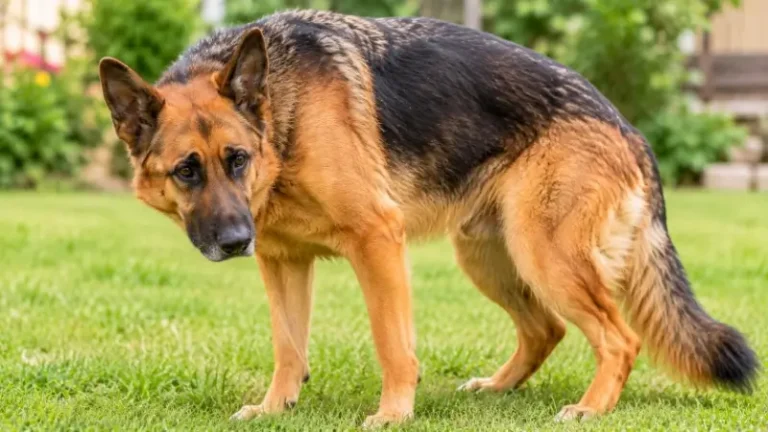
Your dog was fine this morning. Now they’re hobbling around, weight shifted to one side, something clearly off. No crying. Nothing visible. Just a limp that’s making your stomach drop.
Sound familiar? A limping dog is one of the most common things that sends dog owners straight to Google at all hours. And honestly? That’s the right instinct. A limp is never nothing.
But before you panic or rush to the emergency vet, take a breath. Some limps are minor – a thorn stuck in a paw, a bruised pad, a sore muscle after a tough hike. Others do need fast attention. This guide walks you through every reason your dog might be limping – front leg, back leg, sudden, gradual, on and off. You’ll learn exactly what to check at home, what the most common causes really are, and how to know when it’s time to drop everything and go.
What Does It Mean When a Dog Limps?
Limping – vets call it lameness – is not a disease. It’s a signal. Your dog’s body is saying “protect this area.” That could be as simple as a burr stuck between the toes. Or it could be a torn ligament, an unstable joint, or nerve pain from a spinal problem. The limp itself doesn’t tell you which one. But the type of limp, which leg it’s on, your dog’s age and breed, and a few other clues can narrow it down quickly.
Stop First – Is Your Dog’s Limp an Emergency?
Before anything else, run through this list. If any of these apply, stop reading and go to an emergency vet now.
- The leg is bent or angled in a direction it shouldn’t be
- Your dog cannot stand or put any weight on the leg at all
- You can see bone, a deep wound, or severe bleeding
- The limb is severely swollen and happened suddenly
- Your dog is crying continuously or refuses to be touched anywhere near the leg
- Your dog is suddenly wobbly, uncoordinated, or falling over
- Gums look pale, white, or bluish – this is never normal
- Labored or fast breathing alongside the limp
- Multiple injuries on the body from trauma (hit by car, fall, attack)
- The limp went from mild to severe within a few hours
If none of those apply and your dog is still using the leg at all, you likely have time to work through the rest of this guide and call your regular vet in the morning or soon.
The Two Most Important Questions to Ask Right Now
Did the Limp Come on Suddenly or Build Up Over Time?
This single question tells a vet a lot. Sudden limping usually points to an injury – something happened. A torn ligament, a paw injury, a kneecap that slipped out of place, a cracked nail. Even Lyme disease can cause sudden-onset limping that shows up fast. Gradual limping that slowly gets worse over weeks or months usually points to a chronic condition. Arthritis, hip dysplasia, elbow dysplasia, or a slow-growing tumor. These conditions build quietly, and owners often don’t notice until the dog is compensating pretty heavily.
Is Your Dog Putting Any Weight on the Leg?
This is the most important thing a vet will want to know. A dog that will not put any weight on a leg at all – holding it up completely – is a higher-urgency situation than a dog that’s still limping but touching down. A dog that’s still using the leg, even with an obvious limp, usually has time for a next-day vet visit rather than an emergency trip (as long as the emergency signs above aren’t present).
Why Is My Dog Limping but Seems Fine Otherwise?
This is the question that keeps owners up at night. Your dog is eating. Wagging their tail. Acting like nothing happened. And yet they’re clearly favoring a leg. What’s going on?
Here’s something most people don’t realize about dogs: they are built to hide pain. This goes back to survival instincts. In the wild, showing weakness made animals a target. Dogs kept this trait. A dog with a partially torn CCL ligament – one of the most painful knee injuries possible – can still play fetch, eat their entire dinner, and greet you at the door like it’s the best day ever.
A dog limping but not crying does not mean nothing is wrong. What it usually means is that the injury is not severe enough to override their normal behavior – yet. Or they’ve been living with it long enough to adapt around it.
So what are the signs your dog is actually in pain, even if they seem fine on the surface?
- Licking or chewing at a specific leg or joint repeatedly
- Sleeping more than usual or being slow to get up
- Stiffness in the first few minutes after lying down, then it “walks off”
- Pulling away or flinching when you touch a certain spot
- Ears flattening or subtle tension in the face when moving
- Avoiding stairs or jumping on furniture they used to love
- Sitting with one leg stuck out to the side (classic CCL sign)
Don’t be fooled by a wagging tail. Watch the body language more closely.
How to Tell Which Leg Is Bothering Your Dog
Sometimes it’s obvious. Other times your dog is limping and you genuinely can’t figure out which leg is the problem. There’s a simple trick vets use that works surprisingly well at home.
The head bob test for front leg limping: Watch your dog walk toward you and focus on their head. If a front leg is sore, the dog’s head will rise slightly when the sore leg hits the ground – and drop when the good leg hits. The dog is unloading weight off the painful leg, and their head moves with it. Head goes up when the hurting leg touches down. It sounds subtle, but once you know to look for it, it’s pretty clear.
For back leg limping: Watch from behind. The hip on the sore side will drop more or rise higher than the other. You’ll see an asymmetry in how the hips move with each step.
Two more things worth noting: First, does the limp look different on carpet vs hard floors? Some conditions are more noticeable on hard, slippery surfaces. If your dog limps on tile but seems fine on carpet, that’s useful information for your vet. Second, is the limp worse right after rest or after exercise? A dog that’s stiff for the first few minutes after getting up, then loosens up – that’s classic arthritis. A dog that seems fine at first but gets worse during or after a walk – that could point to soft tissue injury or ligament damage.
Film the limp. This is not optional. Dogs have an almost supernatural ability to walk perfectly normally the moment they reach the vet clinic. A short video of the actual limp is one of the most useful things you can bring to any vet appointment.
How to Check Your Dog’s Leg at Home – Step by Step
Before calling the vet, do a quick home check. You might find the problem in two minutes.
Step 1: Watch from a distance first. Don’t grab the leg right away. Watch your dog walk naturally. Note which leg, whether the limp is consistent, and how severe it looks.
Step 2: Check the paw and pads. This is where most minor limps hide. Look carefully between every toe. Feel for burrs, foxtails, splinters, or pebbles. Check the paw pads for cuts, cracks, blisters, or burns. Press gently on each pad to feel for tenderness.
Step 3: Check every nail, including the dewclaw. A broken nail or torn dewclaw is incredibly painful and easy to miss. The dewclaw – the extra nail further up the inside of the leg – is especially prone to catching on things and tearing. Look for one that’s split, bent backward, or pulled partially away.
Step 4: Run your hands slowly up the leg. Start at the paw and work up. Feel for heat, swelling, or a spot where your dog flinches or pulls away. Take your time and be gentle.
Step 5: Check the main joint on that leg. Carefully flex and extend the knee, elbow, shoulder, or hip joint, depending on which leg seems affected. Does your dog resist at a certain angle? Does flexing one joint cause a reaction that flexing others doesn’t?
What NOT to do:
- Do not wrap, splint, or brace the leg without vet guidance – it can make things significantly worse
- Do not probe hard at a joint that’s already swollen
- If your dog snaps or cries when you touch a certain area, stop and go to the vet – that reaction tells you something important
Why Is My Dog Limping? The Complete Cause Breakdown
Front Leg Limping – What’s Usually Going On
Paw and nail injuries are the most common cause of front leg limping. A splinter, foxtail, burr, or piece of glass in the pad. A cracked or completely torn nail. An inflamed bump between the toes (called an interdigital cyst). These are painful but usually fixable fast.
Elbow dysplasia is a developmental condition where the elbow joint doesn’t form correctly. It most often shows up in young dogs of medium and large breeds – Labradors, German Shepherds, Golden Retrievers, Rottweilers, and Bernese Mountain Dogs are especially prone. The dog limps on a front leg, usually starting around 4 to 12 months old.
OCD (Osteochondritis Dissecans) is a cartilage condition in young, large-breed dogs. A flap of cartilage separates from the bone in a joint – most often the shoulder, elbow, or wrist. It causes pain and stiffness in a front leg, usually in puppies between 4 and 10 months old.
Shoulder muscle and soft tissue strains happen to any dog at any age. Overexertion, landing wrong after a jump, rough play. The shoulder tendons and muscles are especially vulnerable.
Lyme disease can cause front leg limping – usually sudden, shifting from leg to leg over days, and sometimes with a fever. If you live in a tick-heavy area and your dog limps on and off without an obvious cause, Lyme is worth testing for.
Panosteitis is “growing pains” in large-breed puppies. It shifts from leg to leg randomly, causes sudden lameness that can look severe, and then mysteriously gets better on its own. This affects dogs between 6 and 18 months old and is not cause for panic – but it does need a vet diagnosis to rule out other causes.
Back Leg Limping – The Most Common Causes
CCL Tears – The #1 Cause of Back Leg Limping in Dogs
The CCL (Cranial Cruciate Ligament) is the dog’s version of the ACL in humans. When it tears, the knee joint becomes unstable. It’s the most common orthopedic surgery performed on dogs in the United States. Vets sometimes call it the ACL when talking to owners because most people know that term. Technically in dogs it’s the CCL – but you’ll hear both, and they mean the same thing.
The tricky part? Dogs don’t always completely tear the CCL at once. Many dogs have a partial CCL tear – the ligament is damaged but not fully through. These dogs can still walk, still run a little, still seem somewhat functional. But the tear often gets worse over time, and what could have been managed conservatively becomes a surgical situation.
What does a CCL tear look like in real life? The dog suddenly starts limping on a back leg, often after a jump, turn, or burst of exercise. They may sit with that leg stuck out to the side rather than tucked under. The knee may look swollen. They might be reluctant to go up stairs. Sometimes owners notice the dog holding that leg up completely at first, then starting to use it a little once the initial shock wears off.
TPLO surgery (Tibial Plateau Leveling Osteotomy) is the gold standard treatment for most dogs. Recovery is 12 to 16 weeks of strict rest with controlled walks increasing gradually. It’s a long recovery – but dogs that have TPLO surgery typically return to full, normal activity and many owners say their dog runs like a puppy again afterward.
Luxating Patella – The Most Common Cause of Intermittent Back Leg Limping
If your dog suddenly starts skipping on a back leg – a few steps on three legs, then back to normal – this is often what’s happening. A luxating patella means the kneecap slips out of its groove. It pops out, the dog picks up the leg or hops a few steps, and then the kneecap pops back in and they’re walking normally again. The whole episode can last just a few seconds.
This is why owners often say “My dog was limping but then it just stopped.” The kneecap literally went back into place. It may happen once a month. It may happen multiple times a day. And each time it pops out and back in, it creates a little more wear on the joint.
Vets grade luxating patella on a scale of 1 to 4. Grade 1 pops out occasionally and goes back on its own – most dogs are managed without surgery at this stage. Grade 4 means the kneecap is permanently dislocated and surgery is needed. The characteristic way a dog walks when the kneecap slips is called a bunny hopgait – both back legs hop together for a few steps, then things go back to normal.
Small and toy breeds are most prone: Chihuahuas, Toy and Miniature Poodles, Pomeranians, Maltese, and Yorkshire Terriers. But medium and large breeds can develop it too. The surgical fix – called a trochleoplasty or groove deepening procedure – has very good outcomes. Many dogs with Grade 1 or 2 are managed for years without surgery using joint supplements and controlled exercise.
Hip Dysplasia
Hip dysplasia is a developmental condition where the hip socket doesn’t form properly. The ball of the thigh bone doesn’t fit snugly in the socket, and over time this causes pain, inflammation, and degenerative changes. It most commonly affects larger breeds: Labradors, Goldens, German Shepherds, Rottweilers, Great Danes, Saint Bernards, and Bulldogs.
Signs include difficulty standing from lying down, a swaying walk, reluctance to jump or use stairs, and muscle loss in the hindquarters. Some dogs show signs as young as a few months old. Others don’t show obvious signs until arthritis develops in the dysplastic hip in their middle or senior years. Hip dysplasia is managed with joint supplements, anti-inflammatory medications, weight management, and physical therapy. Severe cases may need surgery.
IVDD and Spinal Problems – When the Limp Isn’t Really About the Leg
Sometimes a dog limps because of a problem in the spine, not the leg itself. This is easy to miss – and important to catch.
IVDD (Intervertebral Disc Disease) happens when a spinal disc bulges or ruptures, pressing on the spinal cord or nerve roots. In the lower back, this causes hind limb weakness, stumbling, or a limp that looks exactly like a leg problem but isn’t. Breeds most prone to IVDD: Dachshunds, Basset Hounds, Beagles, French Bulldogs, Corgis, and Cocker Spaniels.
What to look for beyond the limp: stumbling or dragging the back feet, knuckling over (walking on the top of the foot instead of the pad), or – in severe cases – loss of bladder or bowel control. That last one is a spinal emergency.
Spondylosis deformans is spinal arthritis that develops slowly, usually in middle-aged and older dogs. Bone spurs form along the spine. If those spurs press on nerves, they can cause intermittent hind limb limping – especially after exercise – that gets better with rest. It’s often missed because the limp seems to resolve on its own.
Causes That Can Affect Any Leg
Arthritis and degenerative joint disease (DJD) is the most common cause of chronic limping in older dogs. It’s a gradual wearing down of joint cartilage. It can affect any joint – knees, hips, elbows, shoulders, spine. The classic sign is stiffness after rest that works itself out after a few minutes of moving.
Lyme disease is transmitted by deer ticks and is especially common in the northeastern US, upper Midwest, and Pacific coastal states. It causes joint inflammation that can affect any leg and often shifts between legs. If your dog is limping on one leg this week and a different leg next week, Lyme is near the top of the list to rule out. A 4DX test at your vet covers Lyme and three other tick-borne diseases in one panel.
Fractures from trauma – falls, car accidents, rough play. Can affect any limb and are usually obvious from the severity and sudden onset.
Muscle strains and sprains from overexertion or awkward movement. Very common in active dogs after a long hike, intense play session, or running on uneven terrain.
Osteosarcoma (bone cancer) is aggressive and most commonly affects large and giant breeds in their senior years – Great Danes, Rottweilers, Irish Setters, Greyhounds. It typically shows up in the leg bones. A gradual limp that steadily gets worse despite treatment, with a painful swollen area on the leg, should trigger quick X-rays. Early diagnosis changes treatment options significantly.
Why Is My Dog Limping on One Leg Then the Other?
Shifting lameness – limping that moves from leg to leg over days or weeks – is a specific pattern that actually narrows the list quickly.
Lyme disease is the most common reason. The joint inflammation it causes moves from joint to joint. A fever is often present but not always obvious. If your dog has been in tick-prone areas and limps on changing legs, ask your vet for a 4DX test – it screens for Lyme, ehrlichiosis, anaplasmosis, and heartworm in one quick in-clinic blood test.
Panosteitis in young large-breed dogs (6 to 18 months) causes episodes of lameness that shift randomly from leg to leg. It’s sometimes called “growing pains” and usually resolves on its own by around 2 years old. It’s painful when active but doesn’t cause permanent damage.
Immune-mediated polyarthritis causes inflammation in multiple joints at once. It can mimic other conditions and requires bloodwork and joint fluid analysis to diagnose properly.
Bilateral hip or elbow dysplasia means both sides are affected. One may hurt more at different times, making it look like the limp shifts between legs.
Limping by Age – What It Usually Means
Puppies and Young Dogs
Young dogs limp for different reasons than older ones. The most common causes are panosteitis (shifting growing pains in large breeds), growth plate injuries from falls or overexertion, OCD in the shoulder or elbow joint, and luxating patella in small breeds. Trauma from jumping off furniture is also a surprisingly common cause in puppies.
One important note: don’t give joint supplements to puppies without vet guidance. Some can interfere with normal bone development in young dogs.
Adult Dogs (1 to 7 Years)
This is peak age for CCL tears – especially in active, athletic dogs. Labrador Retrievers, Bulldogs, and Rottweilers have higher rates than most other breeds. Soft tissue strains from overexertion are also very common in this age group, as are Lyme disease and luxating patella progression in small breeds.
Senior Dogs (7 and Older)
Arthritis is by far the most common cause of limping in senior dogs. Almost all older dogs have some degree of arthritis in at least one joint by their senior years. Beyond arthritis: osteosarcoma peaks in large and giant breeds in their senior years, IVDD and spondylosis become more common, and hip dysplasia complications often worsen.
A key sign to watch for in older dogs: stiffness that takes a few minutes to “walk off” after getting up. This is classic arthritis behavior. It shouldn’t be dismissed as “just getting old” – it can usually be managed very well with the right treatment plan.
My Dog Is Limping on and off – What Does That Mean?
Intermittent limping is one of the most confusing things owners deal with. You make an appointment, and by the time you get to the vet, your dog trots in like a champion athlete. So you cancel the appointment, figuring it resolved. And then it comes back.
Here’s why intermittent limping happens and what each cause looks like:
Luxating patella is the classic cause. The kneecap pops out, the dog skips or holds the leg for a few seconds to a minute, the kneecap pops back in, and they’re fine. Episodes may happen once a day or once a month.
Partial CCL tear – the ligament is damaged but not completely through. The dog limps after exercise or stairs, then seems to recover. The joint is unstable but functional – for now. Partial tears almost always progress to full tears without treatment.
Early arthritis – stiff and limping after rest, then loosening up. Many owners mistake this for the dog “sleeping wrong.”
Lyme disease – episodes come and go as the immune response flares. The limp can appear, disappear, and show up in a different leg the next time.
Spondylosis deformans – nerve pinching from spinal arthritis that worsens with activity and improves with rest. Looks like a limping problem but originates in the spine.
What should you do about an intermittent limp? Film every episode and keep a log – date, duration, which leg, what your dog was doing before it started. This information is incredibly valuable to your vet. And don’t dismiss it just because it goes away. The underlying cause rarely goes away on its own.
Which Dog Breeds Are Most Prone to Limping?
Genetics matter. Some breeds have much higher rates of specific orthopedic conditions. If your dog is on this list and starts limping, the condition in the right column is one of the first things your vet will want to rule out.
| Breed | Most Likely Causes |
|---|---|
| Labrador Retriever | CCL tear, elbow dysplasia, hip dysplasia |
| Golden Retriever | CCL tear, hip dysplasia, osteosarcoma |
| German Shepherd | Hip dysplasia, degenerative myelopathy, IVDD |
| Dachshund | IVDD, luxating patella |
| Corgi (Pembroke or Cardigan) | IVDD, luxating patella |
| Rottweiler | Osteosarcoma, CCL tear, hip dysplasia |
| Great Dane | Osteosarcoma, panosteitis, hip dysplasia |
| Chihuahua | Luxating patella |
| Toy and Miniature Poodle | Luxating patella |
| Pomeranian | Luxating patella |
| Basset Hound | IVDD, elbow dysplasia |
| Beagle | IVDD, panosteitis |
| Irish Setter | Osteosarcoma, panosteitis |
| Bulldog (English and French) | CCL tear, hip dysplasia, interdigital cysts |
| Bernese Mountain Dog | Hip dysplasia, elbow dysplasia, osteosarcoma |
Seasonal and Environmental Causes of Dog Limping
Not every limp is about a joint or ligament. Sometimes the environment is the culprit – and these cases are often the fastest to fix.
Hot pavement in summer. Dog paw pads burn faster than most owners realize. At 95°F outside, asphalt can reach 125°F or hotter – that burns paw pads in under 60 seconds. Use the back-of-your-hand test: press the back of your hand to the pavement for 7 seconds. If you can’t hold it there, it’s too hot for your dog’s paws. Signs of burned pads include limping after walks, licking paws, and red or blistered-looking pad surfaces.
Ice and salt in winter. Ice balls pack between the toes and in the fur between the pads. They cause real discomfort and can even cause frostbite in prolonged cold. Salt and de-icing chemicals on sidewalks also burn pads. After every winter walk, rinse paws with warm water and dry thoroughly.
Foxtails. A major issue in the western United States. These grass seed heads burrow into paw pads and don’t come out on their own – they migrate deeper into tissue over time. A foxtail in a paw pad causes sudden, severe limping and sometimes swelling or a small abscess. If your dog suddenly starts holding up a paw in tall grass areas during summer months, check carefully between every toe and under every pad.
Burrs, splinters, and thorns. A year-round issue. A piece of wood, thorn, or plant burr can lodge in a pad or between toes and cause a limp that disappears the moment you remove it. Always worth checking here first.
Interdigital cysts. Small, inflamed bumps that form between the toes – often caused by allergies, ingrowing hairs, or a foreign material lodged in the skin. They look red, swollen, or pus-filled. Painful to walk on. These need vet attention rather than home treatment.
What You Should Never Give a Limping Dog
When your dog is in pain, the first instinct is to reach into the medicine cabinet. Please don’t. Most human pain medications are toxic to dogs – even at small doses.
Never give your dog any of these:
- Ibuprofen (Advil, Motrin) – causes stomach ulcers, kidney failure, and can be fatal. Even one regular-strength tablet can cause serious harm to a medium-sized dog.
- Acetaminophen (Tylenol) – destroys red blood cells and causes liver failure in dogs. This is never safe at any dose.
- Naproxen (Aleve) – even more toxic than ibuprofen for dogs. Can cause stomach ulcers and kidney failure quickly.
- Aspirin – this one comes up a lot online. Aspirin does have some anti-inflammatory effect in dogs, but it also causes gastrointestinal bleeding and ulcers. It is not recommended unless a vet specifically tells you to use it for your specific dog at a specific dose for a specific reason. Don’t go off general online advice here.
What about joint supplements like Cosequin? Glucosamine and chondroitin supplements are safe for dogs and are often part of long-term arthritis and joint management plans. The evidence on how much they help is mixed, but they’re not harmful. Some dogs seem to benefit noticeably, especially those with early arthritis. Ask your vet before starting, especially if your dog is a puppy.
What about fish oil? Omega-3 fatty acids have better supporting evidence for reducing joint inflammation than glucosamine does. Many vets do recommend fish oil as part of arthritis management. Run the dosing by your vet for your dog’s specific weight.
If your dog is hurting right now and you can’t get to a vet immediately, the safest thing you can do is restrict activity. No running, no jumping, no stairs. Short leash walks for bathroom breaks only. Rest is the most powerful thing available to you until you can get a proper diagnosis.
When Should I Take My Dog to the Vet for Limping?
Go to emergency care right away if: Any of the red flags from the beginning of this article apply – non-weight-bearing, visible injury, pale gums, rapid worsening, or any of the other emergency signs listed above.
Go to the vet within 24 hours if: Your dog is not putting weight on the leg at all (even without other emergency signs), there’s visible swelling or bruising, or any limp in a puppy under 1 year old.
Call for a next-day appointment if: Your dog is bearing weight but limping consistently, the limp has lasted more than 48 hours, an intermittent limp is happening more frequently, or your dog is a larger breed known for CCL or hip issues and has just started limping.
Monitor at home for 24 to 48 hours if: Your dog is bearing weight, you found and removed an obvious cause (burr, broken nail), the limp is mild and your dog seems otherwise comfortable, and your dog was just very active and may have overexerted.
The general rule that most vets agree on: if the limp isn’t significantly better after 24 to 48 hours of strict rest and reduced activity, it needs a professional evaluation. Don’t let a limp go on for weeks hoping it resolves. Many conditions that could have been treated conservatively become surgical problems when left too long.
What to Do While You Wait for the Vet Appointment
You’ve called the vet. Here’s what to do (and not do) while you wait.
Do:
- Restrict activity hard – use a crate or small room to keep the dog quiet and calm
- Leash walks only, 5 to 10 minutes max, bathroom purposes only
- Film the limp – multiple angles if possible, on hard floor and carpet
- Write down when it started, which leg, any activity just before it happened, and whether it’s constant or comes and goes
- Note whether it’s worse right after rest or after movement
Don’t:
- Let your dog run in the yard or play with other dogs
- Allow jumping on or off furniture
- Give any human pain medication
- Wrap or splint the leg without specific vet instruction
Bring the video and your written notes to the appointment. This genuinely speeds up diagnosis.
How Do Vets Diagnose a Limping Dog?
Here’s what a thorough diagnosis actually involves, so you know what to expect at the appointment.
History. Your vet will ask about when the limp started, which leg, how severe, constant or intermittent, and any recent activity or trauma. This is why your notes and video matter so much.
Gait assessment. The vet watches your dog walk. They’re looking at which leg, the degree of lameness, whether the dog is bearing weight, and any compensatory movement patterns.
Orthopedic exam. The vet manually examines each joint – flexing, extending, applying pressure, and checking range of motion. They’ll feel for joint effusion (extra fluid in the joint), muscle loss on one side, heat, and pain responses. For CCL tears, there are specific clinical tests: the cranial drawer test and the tibial thrust test, which check whether the tibia slides forward relative to the femur – which only happens when the CCL is compromised.
X-rays. The most common diagnostic tool for limping. Shows bone structure, joint spaces, signs of arthritis, fractures, and sometimes evidence of soft tissue changes. Here’s something owners don’t always know: some dogs need to be sedated for X-rays. This is completely normal and not cause for alarm. It allows the vet to get the precise positioning needed for accurate imaging and keeps the dog still and comfortable during the process.
4DX test. A quick in-clinic blood test that screens for Lyme disease, ehrlichiosis, anaplasmosis, and heartworm in one panel. If your dog is limping without an obvious structural cause and you live in a tick-endemic area, ask your vet about this test specifically.
Bloodwork. Checks for infection, inflammation markers, organ function, and certain systemic diseases. Often ordered alongside X-rays.
Advanced imaging. CT scan or MRI for complex spinal, soft tissue, or joint problems that don’t show clearly on X-rays.
When to ask for a specialist: If your regular vet can’t reach a clear diagnosis after one or two visits, it’s reasonable to ask for a referral to a board-certified veterinary orthopedic surgeon. They see these cases every single day and often reach a diagnosis in one appointment that a general practice vet couldn’t pin down in several.
Treatment Options for a Limping Dog
Conservative (Non-Surgical) Treatment
Many limping dogs are treated without surgery – at least at first. Rest and activity restriction is the foundation of recovery for most musculoskeletal issues. No running, jumping, or rough play. Sometimes strict crate rest for a specific number of weeks is prescribed by the vet.
Prescription NSAIDs from your vet – Carprofen (Rimadyl), Meloxicam (Metacam), and Galliprant are the most commonly used dog-safe anti-inflammatory drugs. These require a prescription for a good reason: they work, but they need proper dosing and monitoring. They are not interchangeable with human NSAIDs.
Weight management is one of the most underrated treatments in veterinary orthopedics. Every extra pound of body weight puts significant additional stress on joints. For dogs with arthritis or hip dysplasia, getting to a healthy body weight often makes a bigger difference than any single medication.
Cold laser therapy uses low-level laser energy to reduce inflammation and help with pain without drugs. It’s available at many veterinary rehabilitation practices and specialty clinics.
Hydrotherapy and water treadmill therapy lets dogs exercise in water, which reduces joint impact dramatically while building the muscle strength needed to support unstable joints. Some dogs with CCL injuries or hip dysplasia are managed with hydrotherapy for years without surgery.
Physical therapy is a growing field in veterinary medicine. A certified canine rehabilitation therapist designs an exercise program that strengthens the muscles around an unstable or arthritic joint without overloading it.
Surgery – When Is It Needed?
Some conditions require surgery. The main ones:
- CCL tear: TPLO (most common and most successful for medium and large dogs), TTA, or lateral suture repair for smaller dogs
- Luxating patella (Grade 3-4): Trochleoplasty – the groove in the femur is deepened to hold the kneecap in place
- Hip dysplasia (severe cases): FHO (Femoral Head Ostectomy) for smaller dogs, or total hip replacement for larger ones
- IVDD: Decompressive surgery when spinal cord compression is severe or not responding to medical management
- Osteosarcoma: Limb amputation is often recommended to control pain, followed by chemotherapy. Many three-legged dogs live very well and adapt quickly.
Recovery and Rehabilitation After Surgery
TPLO recovery is 12 to 16 weeks of strict activity restriction with controlled walks increasing gradually over that time. Physical therapy speeds full recovery significantly. Cold laser therapy after surgery helps with healing and pain control. The recovery is long. It is also worth it. Dogs that have had TPLO surgery typically return to full, normal activity – many owners report their dog running and playing like their old self again.
How Long Will My Dog Limp? Recovery Timelines by Cause
| Cause | Typical Recovery Time |
|---|---|
| Minor sprain or soft tissue strain | 1 to 2 weeks with rest |
| Paw pad cut or laceration | 3 to 7 days |
| Foreign object removed from paw | 1 to 3 days |
| Broken or torn nail | 1 to 2 weeks |
| Lyme disease (on antibiotics) | 1 to 4 weeks |
| Panosteitis in puppies | Resolves by 18 to 24 months |
| CCL surgery (TPLO) | 3 to 6 months |
| Luxating patella surgery | 4 to 8 weeks |
| Hip dysplasia (conservatively managed) | Ongoing management, not cured |
| Fracture (non-surgical, splinted) | 6 to 8 weeks |
| Fracture (surgical repair) | 8 to 12 weeks |
| Arthritis | Lifelong management (can be very well controlled) |
| IVDD (medical management) | 4 to 8 weeks of strict rest |
Can a Dog Limp Heal on Its Own?
Sometimes yes, often no. A mild sprain from overexertion? A small cut on a paw pad? A bruised muscle from rough play? These often resolve in 24 to 48 hours with rest and limited activity.
But the conditions that cause most persistent limping – CCL tears, luxating patella, hip dysplasia, arthritis, IVDD – do not heal on their own. And waiting too long often turns a manageable problem into a surgical one. The practical rule: if the limp isn’t significantly better after 24 to 48 hours of strict rest, it needs professional evaluation. Don’t wait a week hoping it goes away.
How Much Does It Cost to Treat a Limping Dog?
Cost is real, and it’s worth talking about honestly so you know what you’re walking into.
| Service or Procedure | Estimated Cost |
|---|---|
| Orthopedic vet exam | $75 – $200 |
| X-rays (1 to 2 views) | $150 – $400 |
| Sedated X-rays | $200 – $500 |
| 4DX tick disease panel | $50 – $80 |
| Bloodwork (basic panel) | $100 – $250 |
| CCL surgery – TPLO, one leg | $3,500 – $6,500 |
| Luxating patella surgery | $1,500 – $3,000 |
| Hip replacement, one hip | $5,000 – $6,500 |
| FHO surgery | $1,500 – $3,000 |
| Monthly prescription NSAIDs | $30 – $100 per month |
If cost is a concern: Pet insurance covers orthopedic conditions if purchased before they’re diagnosed – pre-existing conditions are not covered, so if you have a young large-breed dog, right now is the best time to get it. CareCredit is a medical financing option accepted by many vet practices that lets you pay over time. Many practices also offer payment plans – it’s worth asking directly.
Frequently Asked Questions About Dog Limping
Why is my dog limping but acting normal?
Dogs are naturally stoic animals – they’re built to hide pain, which goes back to survival instincts. A dog with a partially torn CCL or a luxating patella can eat normally, wag their tail, and greet you at the door while still having a real orthopedic problem that needs attention. Acting normal doesn’t mean nothing is wrong. Watch for subtle signs like stiffness after rest, licking a specific joint, or reluctance to jump.
Why is my dog limping but not crying?
Same reason – dogs hide pain much better than humans do. A dog that isn’t crying can still be in significant discomfort. Crying typically only happens with very acute, severe pain like a fracture. Chronic conditions and partial injuries are often managed silently by the dog. Don’t use silence as a measure of how serious a limp is.
Why is my dog limping on and off?
Intermittent limping usually points to luxating patella (kneecap slipping in and out of its groove), a partial CCL tear, early arthritis, Lyme disease, or spondylosis deformans. Each has a characteristic pattern. Film the episodes and report the frequency, duration, and which leg to your vet. Don’t dismiss an intermittent limp just because it goes away – the underlying cause rarely does.
How long should I wait before taking my limping dog to the vet?
For mild, weight-bearing limps with no emergency signs – 24 to 48 hours of rest and reduced activity. If it’s not improving by then, make an appointment. For non-weight-bearing limps, within 24 hours. For any of the emergency signs listed in this article, go immediately.
How long will a dog limp on a sprained leg?
A mild sprain typically improves within 5 to 7 days of strict rest and limited activity. A moderate sprain can take 2 to 3 weeks. If the limp isn’t improving after a week of rest, it may not be a simple sprain – get an X-ray to rule out something more serious.
Can a dog limp heal on its own?
Minor causes like small sprains, overexertion, and paw pad injuries often resolve with 24 to 48 hours of rest. Serious conditions like CCL tears, luxating patella, hip dysplasia, and arthritis do not heal without treatment – and waiting often makes them harder and more expensive to treat. The 48-hour rule applies: if it’s not better, see a vet.
What can I give my dog for pain when limping?
Nothing from your medicine cabinet. Ibuprofen, acetaminophen (Tylenol), and naproxen are all toxic to dogs. Aspirin is not recommended without specific vet direction and dosing for your specific dog. The right answer is to call your vet – they can prescribe safe, dog-specific anti-inflammatory medications like Carprofen or Meloxicam. While you wait, the safest thing you can do is restrict activity completely.
How do I know if my dog’s limp is serious?
Serious signs include: not bearing weight on the leg at all, rapid worsening over hours, severe swelling, crying out in pain, wobbly or uncoordinated movement, pale or white gums, or any of the emergency signs listed at the top of this article. A limp that’s been going on more than 48 hours without improvement is also worth taking seriously regardless of how severe it looks.
Should I walk my dog if it’s limping?
Short leash walks for bathroom breaks only – 5 to 10 minutes maximum. No running, fetch, playing with other dogs, jumping, or stairs. Rest is the most important thing while you’re trying to understand what’s wrong. Walking on an injured limb can turn a manageable problem into a worse one.
How can I tell if my dog’s leg is sprained or broken?
It’s very difficult to tell without X-rays. Signs that suggest a fracture over a sprain: the leg is bent or angled abnormally, your dog absolutely will not put any weight on it, there’s a grinding sensation when you very gently move the limb, or severe swelling happened immediately. A sprain usually still allows some weight-bearing and shows no visible deformity. When in doubt, treat it as a fracture, don’t try to manipulate the leg, and get X-rays promptly.