How to Stop Dog Barking – A Complete Guide That Actually Works
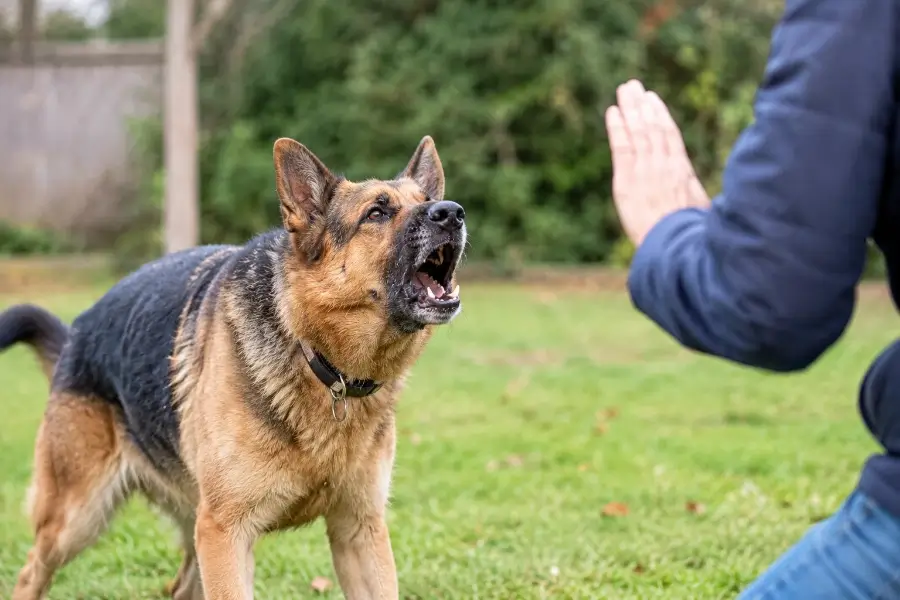
If you are reading this, your dog’s barking has pushed you to your limit. Maybe you have tried everything – yelling, ignoring, treats, YouTube videos – and nothing has stuck. You are not alone. And you are probably not doing it wrong. You are just missing one piece of information that changes everything.
This guide covers exactly how to get your dog to stop barking, broken down by the type of barking. What works for one type can actually make another type worse. That is the key piece most guides skip entirely.
The Most Important Thing Nobody Tells You About Stopping Dogs from Barking
Not all barking is the same. That sounds obvious. But it changes your entire approach.
There are five main types of dog barking:
- Alert barking – reacting to sounds, movements, or anything unusual
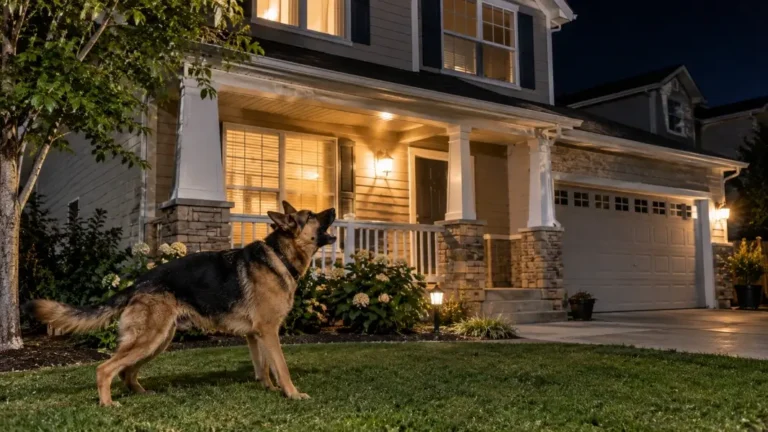
- Territorial barking – defending their space (yard, window, front door)
- Reactive barking – at other dogs or people while on leash
- Demand barking – when they want food, play, or your attention
- Anxiety barking – when separated or feeling stressed
Identify your dog’s type first. Then use the right method. That is the whole game.
Why Does My Dog Bark at Everything?
This is one of the most common questions dog owners ask – and it is completely understandable.
Dogs bark because, in their experience, it works.
When your dog barks at a person walking past the window, the person eventually walks away. From your dog’s point of view? The bark worked. The stranger left. That is a win.
This is called a self-reinforcing behavior. The more it “works,” the more your dog does it. No training required – the environment trains them all by itself.
This is why window barking gets worse over time, not better. Every single person who walks by and leaves confirms to your dog that barking is the right move.
Sound familiar? Understanding this loop is what separates owners who fix the problem from owners who keep struggling with it for years.
The #1 Mistake People Make When Trying to Stop Dog Barking
Almost every guide says the same thing: “Wait for silence, then reward.”
That sounds logical. But there is a timing problem.
By the time your dog stops barking, you say “quiet,” and hand over a treat – the moment has passed. You have rewarded silence, but you have not changed how your dog feels about the trigger. The trigger still causes the same reaction. The bark comes back.
What actually works is called counter-conditioning. The concept is simple: pair the trigger with something good – before the bark starts.
If your dog barks every time they hear the doorbell or a mailbox click:
- Play a soft recording of that sound
- The moment your dog hears it – give a high-value treat right away (chicken, cheese, hot dog bits)
- Repeat consistently over days and weeks
You are not rewarding quiet. You are changing your dog’s emotional reaction to the sound. The bark stops because the trigger no longer causes alertness or anxiety – it causes “where is my treat?”
This is why most home training fails. The timing is off, and the wrong moment is being rewarded.
How to Stop Alert Barking – When Your Dog Reacts to Every Sound
Does your dog bark at car doors closing, neighbors talking, footsteps upstairs, or any random noise outside? This is alert barking – and it is one of the most exhausting types to live with day after day.
Some breeds are especially wired for this. Mini Schnauzers, Beagles, and Dachshunds were bred to alert their owners. The urge to bark at any stimulus is part of their genetics. That does not mean you cannot reduce it – but expecting to eliminate it completely may not be realistic.
How to Counter-Condition Alert Barking Step by Step
Step 1: List the triggers. Write down every sound that sets your dog off. Common ones for US households: delivery trucks, doorbells, voices through walls, footsteps on stairs, thunder, fireworks, hallway noise in apartments.
Step 2: Find the threshold. Threshold is the intensity level where your dog starts to react. Work just below that level – where they can hear the sound but are not barking yet. This is your training zone.
Step 3: Treat before the bark. Play the sound softly. The moment your dog hears it – before any bark – give a high-value treat. Not kibble. Something they would do anything for.
Step 4: Raise intensity very slowly. Over days and weeks, gradually increase the volume or closeness of the trigger. Keep treating at the moment of hearing, before the reaction builds.
What about managing the barking right now, while training is in progress?
A white noise machine running continuously is one of the most effective immediate tools available. It softens the sharp outdoor sounds that trigger alert barking. Dog owners in apartments across the US report 70 to 80 percent reductions in barking using white noise alone, before any formal training begins.
Why Your Dog Barks Out the Window – And How to Stop It
Here is what is really going on with window barking.
Every person who walks past your house eventually keeps walking. To your dog, this confirms the bark worked. That stranger was sent away. The yard is safe. Your dog just did their job perfectly.
This cycle repeats dozens of times every single day. Each time, the behavior gets stronger. By the time owners realize how bad it has gotten, the dog has had hundreds of repetitions confirming that window barking is effective.
Step 1 – Stop the Rehearsal (Management First)
Block your dog’s view of the street. Use frosted or opaque window film on the lower half of windows at dog height. Use a baby gate to restrict access to rooms facing the street.
This is not giving up on training. This is strategic. While your dog is not rehearsing the barking behavior, you train an alternative. Every rehearsal of barking makes the habit harder to break.
Step 2 – Train a “Place” or “Mat” Behavior
Teach your dog to go to a specific mat or bed on cue. When a trigger appears outside, they have somewhere to go and a behavior to earn rewards for. Practice this daily until going to the mat is automatic and exciting for your dog.
Step 3 – Counter-Condition at the Window
Sit near the window with high-value treats ready. When a person or dog appears outside, give a treat the moment your dog notices them – before any bark starts. Repeat consistently over weeks. The trigger gradually starts predicting treats instead of threat.
How to Stop Your Dog from Barking at Other Dogs and People on Walks
This is one of the most common and most frustrating barking issues dog owners face across the United States.
Your dog is completely calm at home. But the second another dog or a stranger gets close on a walk, they explode. You shorten the leash. They bark harder. You pull back. They strain forward. It is exhausting – and it makes walks something you dread rather than enjoy.
The concept that changes everything here is threshold.
What Is Threshold – And Why It Matters
Threshold is the distance from a trigger at which your dog can still function – take treats, respond to their name, pay attention to you.
When a dog goes over threshold, they cannot process information. They cannot take food. They are in a state of high reactivity where training is simply not possible. This is not stubbornness. This is biology – the nervous system in full alarm mode.
Here is the most practical piece of advice in this entire guide: if your dog will not take treats during a training session, you are too close to the trigger. Back up until they eat. That distance is your starting point.
The “Look at That” Game for Reactive Dogs
Developed by dog trainer Leslie McDevitt, this technique is one of the most reliable tools for reactive dogs on leash:
- Walk at a distance where your dog notices another dog or person but does not react
- The moment your dog looks at the trigger, say “yes!” and give a treat
- Repeat consistently on every walk
You are teaching your dog that noticing the trigger makes good things happen. Over time, seeing another dog stops being a reason to bark and becomes a cue to look back at you for a reward.
This takes weeks of consistent practice. But it is one of the few methods that actually changes the emotional response rather than just suppressing the bark temporarily.
Demand Barking – When Your Dog Barks to Get What It Wants
Demand barking is completely different from every other type – and it needs the opposite approach.
Does your dog bark at you when dinner is running late? Bark until you throw the ball again? Bark to get onto the couch? That is demand barking – and rewarding it, even with negative attention, makes it stronger.
The only thing that works here: complete, total, theatrical ignore.
Not just turning away. Not walking into another room because of the barking. Zero reaction – no eye contact, no “shhhh,” no “stop it,” nothing at all. You become a statue until the barking stops completely.
Here is the hard part that most guides do not warn you about: when you first start ignoring demand barking, it gets worse before it gets better.
Your dog thinks: “I will bark louder – that usually works.” This is called an extinction burst. The behavior peaks before it fades. If you give in at the peak – even one single time – you have just taught your dog that louder, more persistent barking is what finally works.
Hold through the peak. When the barking stops completely, that is when you reward your dog with whatever they wanted – but on your terms, not theirs.
Every person in the house must do this consistently. If one person gives in, the barking continues.
How to Stop Your Dog from Barking at the Door and Visitors
Door barking is a combination of territorial alert and pure excitement – both firing at exactly the same time. This is why it feels so intense and hard to manage in the moment.
The Mat Training Method for Visitor Barking
- Teach a solid “go to your mat” or “place” command separately first – away from any door triggers
- Practice daily until going to the mat is automatic and exciting for your dog
- When the doorbell rings, cue “place” before opening the door
- Ask visitors to wait outside until your dog is settled on their mat
- Reward heavily for holding the mat while the door opens and a person enters
Your visitors need to know the rules: ignore the dog completely until all four paws are on the floor and the barking has stopped. Any attention – even eye contact from a guest – is a reward to an excited dog.
Keep a leash by the front door while training. Clip it on before answering – this gives you control without a physical struggle at the door.
How to Stop Dog Barking When You Leave the House
If your dog only barks when you leave – not when you are home, not at sounds, not at strangers – this is separation anxiety. It is the most complex barking type and deserves careful attention.
- Record your dog after you leave (phone on a timer) to confirm it is separation-related
- Practice very short absences – step outside for 10 seconds, then come back calm
- Gradually increase the duration over weeks, not days
- Never punish barking when you return – it increases anxiety and makes things worse
- A frozen food toy (Kong stuffed with peanut butter) given only when you leave builds a positive association with departures
If the barking continues despite consistent work over several weeks, speak with a certified veterinary behaviorist or a trainer who specializes in separation anxiety. Some dogs also benefit from anxiety medication alongside behavior work – this is not a failure, it is a medical approach to a medical issue.
Quick Tools That Reduce Dog Barking Right Now
Training takes time. These tools cut barking down significantly while you are building better habits:
- White noise machine or fan – Running continuous background noise softens the triggers that set off alert barking. Especially effective for apartment dogs dealing with hallway, street, and neighbor sounds.
- Frosted window film – Apply to the lower half of windows at your dog’s eye level. Cuts off visual triggers for window and territorial barking immediately. Inexpensive and easy to apply.
- Lick mat near the trigger zone – Place a lick mat loaded with peanut butter or wet food near the front door or problem window. It gives your dog a competing behavior when triggers appear. Some owners report a 75 percent reduction in barking within three weeks using this alone.
- More daily exercise and sniff walks – Dogs that are physically and mentally tired bark less. A sniff walk – where your dog leads and explores freely by smell – drains mental energy far more effectively than a regular walk.
- Puzzle feeders – Feed meals through puzzle toys or scatter feeding rather than a bowl. Mental work reduces frustration and overall arousal levels throughout the day.
- The “Get Your Toy” method – Teach your dog to fetch a specific toy whenever they feel triggered or excited. A dog with a toy in its mouth physically cannot bark. Many dogs drop from 7 or 8 barks per trigger down to one woof before running to get their toy.
When Should You Call a Professional for Your Dog’s Barking?
Some barking issues go beyond what home training alone can fix. Consider calling a certified professional dog trainer (CPDT-KA) or a certified applied animal behaviorist (CAAB) if:
- Barking has not improved after several weeks of consistent, correct training
- Your dog shows other anxiety symptoms alongside barking – pacing, destructiveness, or house soiling when alone
- Barking is paired with snapping, lunging, or other aggressive behavior
- Your dog is older and barking has changed suddenly – sudden behavior changes in senior dogs can signal pain or a medical issue that a vet should evaluate
The American Kennel Club and the ASPCA both recommend reward-based, positive reinforcement training over punitive tools. If a trainer suggests shock collars or punishment-first methods as the first line of treatment, seek a second opinion from a certified behaviorist.
Frequently Asked Questions About Dog Barking
What is the 3 bark rule for dogs?
The 3 bark rule means you allow your dog to bark up to three times as a natural alert response, then cue them to stop with a word like “quiet” or “enough.” It acknowledges your dog’s instinct to alert you while setting a clear and consistent limit on how long the barking continues. After the cue, reward compliance with a treat.
Can I stop my dog from barking in seconds?
Management tools like removing your dog from the trigger area or using a lick mat can reduce barking quickly in the short term. Training a dog to stop barking as a lasting habit takes consistent practice over days and weeks. Any product or method promising permanent results in seconds is not being straight with you.
What home remedies help reduce dog barking?
White noise machines, background TV or radio, frosted window film, lick mats, and puzzle feeders all help reduce barking without formal training sessions. Daily exercise and sniff walks are also among the most effective natural approaches for high-energy or anxious dogs.
What noise cancels or reduces dog barking triggers?
White noise machines and fans running continuously soften the sharp outdoor sounds that trigger alert barking most often. Acoustic curtains and heavy drapes can also dampen outside noise. These tools reduce the number of triggers your dog encounters throughout the day but do not eliminate barking completely on their own.
Why does my dog bark at everything outside?
Your dog barks at outdoor stimuli because of territorial instinct combined with the self-reinforcing nature of the behavior. When a passerby eventually moves on, your dog interprets this as proof that barking worked. Blocking visual access and consistent counter-conditioning with high-value treats breaks this loop over time.
Does ignoring a barking dog work?
Only for demand or attention-seeking barking. For alert, territorial, or anxiety-based barking, ignoring does nothing – the trigger is external and your response does not affect it. Use counter-conditioning for those types. Use complete ignore only when your dog is barking directly at you to get something specific from you.
Should I use a bark collar?
Most certified trainers and the ASPCA do not recommend bark collars, especially shock or citronella types. They address the symptom – the bark – without treating the underlying cause. In many dogs, suppressing barking through aversive tools increases anxiety and leads to other behavior problems over time. Positive reinforcement-based training produces more reliable and lasting results.
Why does my dog only bark when I am home but is quiet when I leave?
If your dog barks at every sound when you are home but stays quiet when alone, this is alert or territorial barking – not separation anxiety. Your dog feels responsible for protecting the home when you are present. Management tools like white noise and window film, combined with counter-conditioning, address this pattern very effectively.