Why Does My Dog Eat Poop? (And How to Actually Stop It)

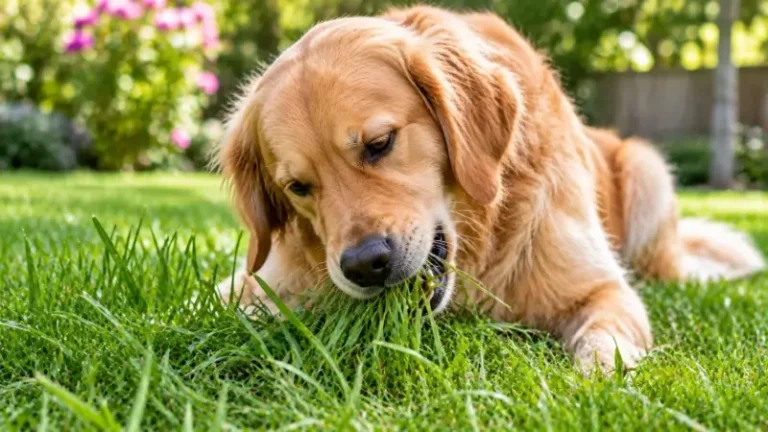
You saw it. You can’t unsee it. Your dog just ate poop.
Whether it was his own, the cat’s, or something mystery-flavored from the yard – this is one of the most stomach-turning habits a dog can have. And yet, more than 1 in 4 dogs do it at some point. So if you’re grossed out and confused, you are definitely not alone.
This guide covers everything: why dogs eat poop (every real reason, not just the obvious ones), why they specifically go after cat poop, why some dogs eat their own, what actually works to stop it, and when you need to call your vet. We also cover whether you can get sick – because yes, that is a real concern worth taking seriously.
What Is Coprophagia? (The Fancy Word for Poop Eating)
The medical term for poop eating is coprophagia (kop-roh-FAY-jee-uh). Veterinarians use it to describe three different types:
- Autocoprophagia – when a dog eats his own feces
- Allocoprophagia – when a dog eats another dog’s feces
- Interspecific coprophagia – when a dog eats feces from a different species (like cats, rabbits, horses, or deer)
All three are forms of the same behavior. But the cause – and the best solution – often depends on which type your dog is doing. That’s why it matters to identify exactly what your dog is going after.
Is It Normal for Dogs to Eat Poop?
Honestly? For some dogs, yes – it’s more common than most people think.
A large study of about 3,000 dog owners, led by Dr. Benjamin Hart at the University of California, Davis, found that 24% of dogs eat poop at least once. Around 16% are what researchers called “frequent” eaters – meaning they did it five or more times. So if your dog is doing this, they are far from unusual.
That said, poop eating is considered normal behavior in two specific situations:
- Puppies under 9 months explore everything with their mouth – including poop. Most grow out of it on their own.
- Mother dogs eat their puppies’ feces to keep the den area clean. This is a completely natural, instinctual behavior.
But here’s the important part: if your adult dog that never did this before suddenly starts eating poop, or if your senior dog starts out of nowhere – that’s not just a quirk. It could mean something is going on medically. Keep reading to find out what.
Why Does My Dog Eat Poop? All the Real Reasons
There’s no single answer to this question. Dogs eat poop for many different reasons. Here are all of them, so you can figure out which one fits your dog.
It Goes Back to Wolf Instincts
Your dog’s wild ancestors – wolves – would eat feces to protect their pack from intestinal parasites. Fresh feces carry parasites that haven’t become infectious yet. By removing it quickly from the den area (within 2 days), wolves could reduce the risk of parasite spread.
A 2018 study published in the journal Veterinary Medicine and Science found that 92% of poop-eating dogs prefer fresh feces that is less than 2 days old. This lines up almost perfectly with the wolf parasite-prevention theory. So in some ways, your dog may be following a very ancient instinct – even if it makes zero sense in a clean suburban backyard.
They Learned It From Mom
Mother dogs eat their puppies’ poop to keep the whelping area clean. Puppies watch everything their mother does. Some of them carry this learned behavior into adulthood, long after there’s any real purpose for it.
This is especially common in rescue dogs. If your dog came from a puppy mill or a hoarding situation, poop eating may have started when they were very young. Food was scarce, space was cramped, and eating or hiding feces was a survival habit. Some rescue dogs struggle to shake this pattern even years into a loving home.
They Honestly Think It Tastes Good
This is the one nobody wants to hear – but it’s true for many dogs.
Undigested food particles in feces can smell and taste like actual food to a dog, especially if the original meal was high in protein or fat. This is why dogs go so wild for cat poop (more on that in its own section below). It’s also why many dogs will happily eat horse manure, rabbit droppings, deer poop, or goose droppings whenever they get the chance. All of these contain traces of undigested food that smells appealing to a dog.
Nutritional Gaps and Missing Gut Bacteria
One long-standing theory says dogs eat poop to get nutrients they’re missing, especially B vitamins. A 1981 study found that bacteria in feces actually synthesize thiamine (Vitamin B1). So a dog with a thiamine deficiency may be drawn to feces as a source.
But there’s a newer and more interesting angle: gut microbiome imbalance. Your dog’s gut is home to billions of good bacteria that help with digestion, immunity, and overall health. When that balance is thrown off – from stress, illness, or antibiotics – some dogs seem to instinctively try to replenish those missing bacteria by eating feces.
This isn’t just theory. Many dog owners have noticed a sharp increase in poop eating right after their dog finished a round of antibiotics. The antibiotics wipe out the harmful bacteria causing the infection – but they also wipe out the good bacteria in the gut. The result is a gut that feels “empty” of beneficial microbes, and a dog that starts seeking out feces to fill that gap.
If your dog just finished antibiotics and suddenly started eating poop, this connection may be exactly what’s happening. A probiotic supplement like Purina FortiFlora may help restore that balance and reduce the behavior.
Stress, Boredom, and Anxiety
A bored dog will get into all kinds of trouble. A dog that’s left alone for long stretches, or one that doesn’t get enough mental and physical activity, may turn to poop eating out of sheer boredom. Anxiety is a big driver too. Dogs that feel confined, nervous, or stressed may eat poop as a displacement behavior – something to do with their body when their brain is overwhelmed.
This is especially common in dogs that are crate-trained but left for too long, or in adolescent dogs who are going through a high-energy developmental phase. Is your dog between 6 and 18 months old? Adolescence can actually cause a temporary peak in poop-eating behavior as the dog’s brain is still developing impulse control.
They’re Getting Rewarded for It – By Accident
Here’s one that surprises most dog owners. If your dog eats poop and you react with shock, yelling, or big emotional energy – you just gave them attention. To some dogs, any attention – even negative attention – feels like a reward.
They learn a simple lesson: “If I eat poop, my human comes running and pays attention to me.” If your dog makes eye contact with you while doing it, or seems to do it more when you’re watching – this is likely a big part of what’s happening.
Hiding the Evidence from You
If you’ve ever punished your dog for pooping in the wrong spot inside the house, your dog may have learned that poop equals trouble. So what do they do? They eat the evidence before you can find it.
Your dog isn’t being sneaky on purpose – they’re scared. The solution is never punishment. It’s patient management and positive reinforcement training.
Medical Conditions That Make Dogs Eat Poop
This is the most important reason on the list – because if a medical issue is driving the behavior, no training or supplement in the world will fix it until you address the underlying cause.
Medical conditions that can cause or make coprophagia worse include:
- Exocrine Pancreatic Insufficiency (EPI) – the pancreas doesn’t produce enough digestive enzymes. Food passes through without being properly absorbed. The dog is essentially always hungry, even right after a full meal. EPI is diagnosed with a blood test called a TLI test.
- Canine Cognitive Dysfunction (CCD) – a condition similar to dementia in older dogs. Changes in behavior and loss of learned habits, including poop eating, are signs.
- Cushing’s disease (hyperadrenocorticism) – causes increased appetite and can drive dogs to eat unusual things.
- Diabetes mellitus and hypothyroidism – both increase appetite and can lead to poop eating as the dog tries to fill a nutritional gap.
- Intestinal malabsorption – the gut doesn’t absorb nutrients properly, leaving the dog nutritionally deprived even when eating plenty of food.
- Intestinal parasites – roundworms, hookworms, and whipworms steal nutrients from your dog’s food, creating deficiencies that drive unusual eating behaviors.
- Liver disease – affects brain function and overall behavior in dogs.
- Polyphagia – excessive hunger from any cause can lead to poop eating.
Important: If your adult dog never ate poop before and suddenly started, please talk to your vet before trying any home remedies. A simple blood panel and fecal float test can rule out the medical causes above and save you a lot of wasted time on supplements that won’t work.
Why Does My Dog Eat Cat Poop Specifically?
This is one of the most common questions we get – and dog owners have even given cat poop a nickname for it: “Kitty Roca.” Yes, like the candy. The litter box is basically a snack bar to your dog, and here’s exactly why.
Cat food is higher in protein and fat than most dog food. That means cat feces smell and taste much more “food-like” to a dog than dog feces do. The undigested protein and fat content in cat poop is exactly what a dog’s nose and palate find irresistible. No matter how gross it is to you, to your dog it smells like a meal.
Is Cat Litter Dangerous for Dogs?
Yes – especially clumping cat litter, and this is a genuine danger that every dog owner should know about.
Clumping litter is designed to absorb moisture and expand. If your dog ate a significant amount of clumping litter along with the poop, that litter can expand inside the stomach and intestines. In serious cases, this causes a life-threatening blockage.
Call your vet immediately if your dog got into the litter box and you see any of these signs:
- Vomiting that won’t stop
- A swollen or hard belly
- Straining to have a bowel movement or no bowel movement at all
- Lethargy or weakness
- Refusing to drink water
- Signs of abdominal pain (hunching, whimpering when you touch their belly)
Non-clumping litter is less dangerous, but it’s still not safe to eat. Even non-clumping litter can cause stomach upset and irritation.
Can Your Cat’s Medications Get Into the Poop?
Yes. If your cat is on any prescription medication, trace amounts can pass through into the feces. If your dog regularly eats your cat’s poop, they may be getting unintended exposure to that medication. Talk to your vet about this if your cat is on any prescription drugs – this is an often overlooked concern.
What About Toxoplasma and Human Health Risk?
Toxoplasma gondii is a parasite that lives in cat feces. If your dog eats infected cat poop, they can carry Toxoplasma on their fur and in their saliva. If that dog then licks a person – especially a pregnant woman – the risk of Toxoplasma transmission becomes very real. Toxoplasma infection during pregnancy can cause serious harm to a developing baby. We cover the full human health picture in its own section below.
7 Ways to Dog-Proof Your Litter Box
- Door Buddy latch – this clever device props a door open just enough for a cat to squeeze through but not wide enough for a dog. No baby gate needed.
- Baby gate with a cat door – cats can jump over or slip through the small door cutout; most dogs cannot.
- Top-entry litter box – cats jump in from the top. Most dogs can’t reach inside.
- Litter box inside a cabinet – with a small cat-sized opening cut in the door. Dog-proof and tidy.
- Covered litter box with a small cat flap entrance – the small entrance size keeps most dogs out.
- Litter box in the bathtub – yes, this actually works. Cats can jump in; most dogs won’t bother or can’t get in.
- Dedicated cat room with a cat flap in the door – gives your cat a completely private space the dog can never enter.
Why Does My Dog Eat His Own Poop?
When a dog specifically eats their own feces, that’s called autocoprophagia. This is the type most likely to have either a medical or a behavioral cause – rather than just an instinctual one.
The “Poopsicle” Problem: Why Dogs Eat Frozen Poop in Winter
If you’ve noticed your dog obsessing over the yard every winter – seeking out frozen chunks of poop to eat – you’re not imagining things. Dog owners in colder climates even have a name for it: “poopsicles.”
Here’s what’s happening: cold temperatures change how poop smells. The freezing process concentrates the scent in a way many dogs find extra appealing. Frozen poop also sits in the yard longer (harder to spot in snow, harder to pick up quickly when it’s rock solid), which means your dog has more time and opportunity to find it.
If your dog barely touches poop in summer but can’t resist it in winter, the “poopsicle” effect is very likely why. The fix is simple: pick up poop from your yard every single day, even in winter, before it freezes.
Does Your Dog Bury Poop to Eat It Later?
Some dogs – and this is a real, documented behavior – will bury their poop in the yard and come back for it later. If you’ve noticed your dog digging up something in the yard and eating it, there’s a real chance they buried it themselves earlier.
This comes from the same food-caching instincts that make wolves bury food to save it for later. It’s an ancient behavior repurposed in a very unfortunate way. This is not a sign of illness – it’s just a quirky behavioral habit that some dogs develop.
Rescue Dogs and Autocoprophagia
If your dog was rescued from a puppy mill, an overcrowded shelter, or a hoarding situation, they may eat their own poop as a habit left over from their early life. In severely crowded, unsanitary environments, poop eating can be a learned response to food insecurity or a way to keep cramped living quarters cleaner. This habit can be very difficult to break in rescue dogs and sometimes requires extra patience, management, and professional training help.
Why Is My Dog Suddenly Eating Poop When They Never Did Before?
Sudden-onset poop eating in an adult dog that never showed this behavior before is a yellow flag. Something changed – and it’s worth figuring out what.
The Antibiotic Connection Most People Don’t Know About
One of the most overlooked and underreported causes of sudden poop eating is a recent round of antibiotics.
Antibiotics kill bacteria – including the billions of beneficial bacteria that live in your dog’s gut and help with digestion, immunity, and overall health. After a 10-day antibiotic course, your dog’s gut microbiome can be significantly disrupted. Some dogs respond to this disruption by seeking out feces, essentially trying to replenish the good bacteria they lost.
If your dog started eating poop shortly after finishing a round of antibiotics, this gut bacteria disruption (called gut dysbiosis) is a very likely cause. Adding a probiotic to their diet after antibiotic treatment can help restore the balance. Purina FortiFlora is a widely used and vet-recommended option that many dog owners have had success with for exactly this reason.
When Your Senior Dog Starts Eating Poop Suddenly
If your older dog just started eating poop out of nowhere, please take this seriously. In senior dogs, sudden coprophagia can be an early sign of:
- Canine Cognitive Dysfunction (CCD) – the dog equivalent of dementia, which causes behavioral changes including loss of learned habits and increased confusion
- Liver disease – affects brain function and can cause unusual behavior changes
- Diabetes mellitus or Cushing’s disease – both increase appetite and hunger
- Nutritional malabsorption – the aging digestive system absorbs nutrients less efficiently
A vet visit with a blood panel is the right first step for any senior dog showing sudden new behaviors – including poop eating.
Can My Dog Get Sick From Eating Poop?
Yes – it’s possible, especially if the feces came from an unknown animal or contained infectious material. Here’s what your dog can pick up:
Parasites your dog can get from eating poop:
- Roundworms (Toxocara canis)
- Hookworms
- Whipworms
- Tapeworms
- Giardia
Bacteria that can cause illness in dogs:
- Salmonella
- Campylobacter
- E. coli
Canine parvovirus can also be shed in the feces of infected dogs. This is one of the most serious risks from feces-to-mouth contact – and one of the best reasons to make sure your dog is fully vaccinated and up to date on regular deworming, especially if they have a poop-eating habit.
Can I Get Sick If My Dog Eats Poop?
This is the question most dog owners are afraid to ask out loud. The honest answer is: yes, there is a real risk.
When your dog eats poop and then licks your face, your hands, or any surface in your home, they can transfer infectious agents to you. This is called zoonotic transmission – the transfer of disease from animals to humans.
Toxoplasma gondii (from cat poop via dogs): If your dog eats cat feces and that cat was infected with Toxoplasma, your dog can carry the parasite in their saliva and on their fur. The biggest concern here is for pregnant women. Toxoplasma infection during pregnancy can cause serious harm to the developing baby, including miscarriage or birth defects. If a pregnant woman lives in your home and your dog regularly eats cat poop, talk to your OB-GYN and your vet right away.
Toxoplasma is also dangerous for people who are immunocompromised – including those undergoing chemotherapy, living with HIV, or who have recently received an organ transplant.
Salmonella and Campylobacter: Both of these bacteria can be passed from a dog to a person through saliva contact. In humans, they cause fever, diarrhea, stomach cramps, and vomiting.
Giardia: This intestinal parasite is transmissible from dogs to humans. It causes diarrhea, stomach cramps, gas, and fatigue that can last for weeks if untreated.
Practical steps to protect your family:
- Wash your hands thoroughly after any contact with a dog that has eaten poop
- Do not let your dog lick your face, mouth, or hands after a poop-eating episode
- Keep young children away from the dog immediately after it has eaten poop
- Disinfect any surfaces (floors, furniture) the dog may have licked
- If you are pregnant, immunocompromised, or caring for someone who is – take this especially seriously
When to Call the Vet About Your Dog Eating Poop
Pick up the phone if you notice any of these situations:
- Your adult dog never ate poop before and suddenly started – could indicate EPI, CCD, diabetes, Cushing’s, parasites, or liver disease
- Your senior dog just started eating poop – possible Canine Cognitive Dysfunction or liver disease
- Your dog is eating poop AND losing weight – this is a classic sign of Exocrine Pancreatic Insufficiency (EPI)
- Your dog is eating poop AND has chronic diarrhea – possible intestinal parasites or EPI
- Your dog is eating poop AND seems lethargic – possible systemic illness
- The poop eating has become obsessive or compulsive – needs professional assessment
- Your dog just finished antibiotics and suddenly started eating poop
- Your dog ate cat poop and is now vomiting, bloated, or straining to poop – possible clumping litter blockage (call immediately – this is an emergency)
How to Stop Your Dog From Eating Poop (10 Steps That Actually Work)
Here are the steps that have real evidence and real results behind them. Not all of them are easy. But they are all genuine.
Step 1: Rule Out Medical Causes First
Before you try anything else, talk to your vet. Ask for a full blood panel and a fecal float test to check for intestinal parasites. If EPI is suspected (especially if your dog is also losing weight), ask for a TLI blood test. When a medical issue is the root cause, no supplement or training trick will solve the poop eating. The medical issue must be addressed first.
Step 2: Pick It Up Immediately – Every Single Time
This is the most effective method and the least popular because it requires consistent effort. Your dog cannot eat poop that isn’t there. Pick up feces from your yard within minutes of your dog going. On walks, carry bags and use them right away. Consistent, immediate pickup is the single most effective strategy for poop eating – more effective than any supplement on the market.
Step 3: Dog-Proof the Litter Box
If cat poop is the issue, use one of the 7 litter box solutions listed above. The Door Buddy latch and the top-entry litter box are the most popular and effective choices. Many dog owners solve the cat poop problem entirely with just one of these solutions.
Step 4: Train the “Leave It” Command
“Leave it” is one of the most useful commands you can teach your dog. Start by practicing with treats placed on the floor. When your dog ignores the treat on command, reward them with a higher-value treat. Over a few weeks, work up to using it on leash walks near poop. Use positive reinforcement only – reward with high-value treats when they leave it. Never punish for getting it wrong.
Step 5: Never Punish Your Dog for Eating Poop
Punishing your dog for eating poop makes the problem worse – consistently. Punishment teaches three things: eat it faster next time, only do it when you’re not watching, and sometimes, do it specifically to get your attention. If you’ve been scolding your dog for this, stopping that reaction may itself reduce the behavior.
Step 6: Upgrade Their Diet and Add Digestive Support
Feed a high-quality food with real meat as the first ingredient. Add a digestive enzyme supplement to help the gut break down and absorb nutrients more completely. A probiotic like Purina FortiFlora can help restore gut bacteria balance – especially after illness, stress, or antibiotics. Improved digestion means less undigested material in feces, which reduces its appeal to your dog.
Step 7: Try a Taste Deterrent Supplement (and Know the Critical Rule)
Products like For-Bid and NaturVet Coprophagia Deterrent work by making feces taste unpleasant. Many dog owners also use Adolph’s Meat Tenderizer (original formula – no garlic, no onion, no MSG) because it contains papain, an enzyme that changes the taste of feces.
Here is the rule most people get wrong: The supplement goes in the food of the poop producer, not the poop eater. If your dog eats his own poop, add it to his food. If your dog eats your other dog’s poop, add it to the other dog’s food. This rule is on the label of every product – but most people miss it, and then wonder why the supplement isn’t working.
Step 8: What About Pineapple?
You’ve probably heard that pineapple stops dogs from eating poop because bromelain (the enzyme in pineapple) changes the taste of feces. The honest answer is: it works for some dogs and not at all for others. Multiple dog owners have reported that their dogs actually liked the pineapple-enhanced poop even more. Try it – it won’t hurt your dog – but be realistic. If it doesn’t work after two weeks, move on to something else.
Step 9: Use a Basket Muzzle as a Management Tool
A basket muzzle like the Baskerville Ultra allows your dog to breathe, pant, and drink normally – but prevents them from picking anything up off the ground. The Big Snoof and Mia’s Muzzles make a “scavenger guard” version built specifically for dogs that eat things on walks or in the yard. A muzzle doesn’t cure the behavior, but it manages it safely while you work on training and other solutions.
Step 10: Add More Exercise and Mental Enrichment
If boredom or anxiety is a factor, more walks, play sessions, puzzle feeders, sniff work, and regular training sessions can make a noticeable difference. A dog whose brain and body are genuinely tired from enriching activity is much less likely to invent its own entertainment in the yard. Even 15 extra minutes of sniff-focused walking per day can reduce boredom-related problem behaviors significantly.
Honest Talk – What If Nothing Works?
Here’s the truth that most pet websites skip: for some dogs, nothing works.
Supplements don’t work. Pineapple doesn’t work. Special food doesn’t work. Training helps but can’t be enforced around the clock. Some dogs just really like poop – as a sensory preference as deep and stubborn as any other habit.
If you’ve genuinely tried the steps above and your dog is still eating poop, you are not a bad dog owner. Management is a completely valid long-term strategy and many dog owners live with it:
- Keep the yard picked up consistently
- Use a basket muzzle on walks
- Restrict access to the litter box completely
- Accept that some dogs are just going to do this
One vet summed it up perfectly: for some dogs, poop eating is simply a lifestyle.
As long as your dog is healthy, parasite-free, up to date on vaccines, and regularly dewormed, the main downside is the disgust factor – and that’s something you can manage, even if you can’t eliminate it entirely.
Frequently Asked Questions About Dogs Eating Poop
Is it normal for dogs to eat poop?
Yes – it is more common than most people think. A University of California, Davis study of about 3,000 dog owners found that 24% of dogs eat poop at least once. It is completely normal in puppies (usually stops by 9 months) and in mother dogs cleaning up after their puppies. In adult dogs that never showed this behavior before, sudden poop eating is worth a vet visit to rule out medical causes.
Why is my dog suddenly eating poop when they never did before?
Sudden-onset poop eating in an adult dog usually signals a change in health or gut balance. Common causes include completing a course of antibiotics, nutritional malabsorption, intestinal parasites, Exocrine Pancreatic Insufficiency (EPI), Cushing’s disease, diabetes, liver disease, or anxiety. A vet visit is the right first step.
Why does my dog prefer cat poop over dog poop?
Cat food is higher in protein and fat than most dog food, which means cat feces smell and taste much more like food to a dog. The litter box is essentially a snack bar to your dog. Restrict access to the litter box completely and the problem is usually solved.
Is cat litter dangerous if my dog eats it?
Yes, especially clumping cat litter. It can expand inside the stomach and intestines and cause a life-threatening blockage. If your dog ate clumping litter and shows vomiting, a swollen belly, straining to poop, or lethargy – call your vet immediately. This is an emergency.
Can I get sick if my dog licks me after eating poop?
Yes, there is a real risk. Dogs can transfer Salmonella, Giardia, Campylobacter, and Toxoplasma gondii through their saliva. Pregnant women are at particular risk from Toxoplasma. Wash your hands after any contact with a dog that has recently eaten poop, and avoid face licking.
Does pineapple really stop dogs from eating poop?
It works for some dogs – but not all. Pineapple contains bromelain, an enzyme that may make feces taste unpleasant. Many dog owners find it has no effect. Some dogs actually enjoy pineapple-flavored poop even more. Worth a two-week trial, but keep your expectations realistic.
What is the best supplement to stop a dog from eating poop?
For-Bid and NaturVet Coprophagia Deterrent are the most commonly used. Adolph’s Meat Tenderizer (original – no garlic, no onion, no MSG) also works for some dogs. Critical rule: add the supplement to the poop producer’s food, not the poop eater’s food. This is what most people get wrong.
Why does my dog eat poop in winter?
Frozen poop – called “poopsicles” by dog owners – smells different than fresh poop. Cold temperatures concentrate the scent in a way many dogs find extra appealing. It also sits in the yard longer because it blends into snow and is harder to remove. Daily yard cleanup, even in winter, is the fix.
Will my puppy grow out of eating poop?
Most puppies do, usually by 9 months of age. If the behavior continues past 9 to 12 months, it may have become a learned habit that needs more active training to address.
Should I punish my dog for eating poop?
No. Punishment makes poop eating worse – teaching your dog to eat faster, to do it out of sight, or to do it for your attention. Use consistent pickup and positive reinforcement training (“leave it”) instead.
Can my dog get worms from eating cat poop?
Yes. Cat feces can carry roundworms, hookworms, Giardia, and Toxoplasma. If your dog regularly eats cat poop, make sure they are up to date on deworming and ask your vet about regular fecal testing.
What does it mean if my old dog just started eating poop?
In senior dogs, sudden poop eating can be an early sign of Canine Cognitive Dysfunction (similar to dementia), liver disease, diabetes, Cushing’s disease, or nutritional malabsorption. A vet visit with blood work is strongly recommended for any senior dog showing new sudden behavioral changes.