
Why Is My Dog Panting So Much? 15 Causes, Warning Signs, and What To Do
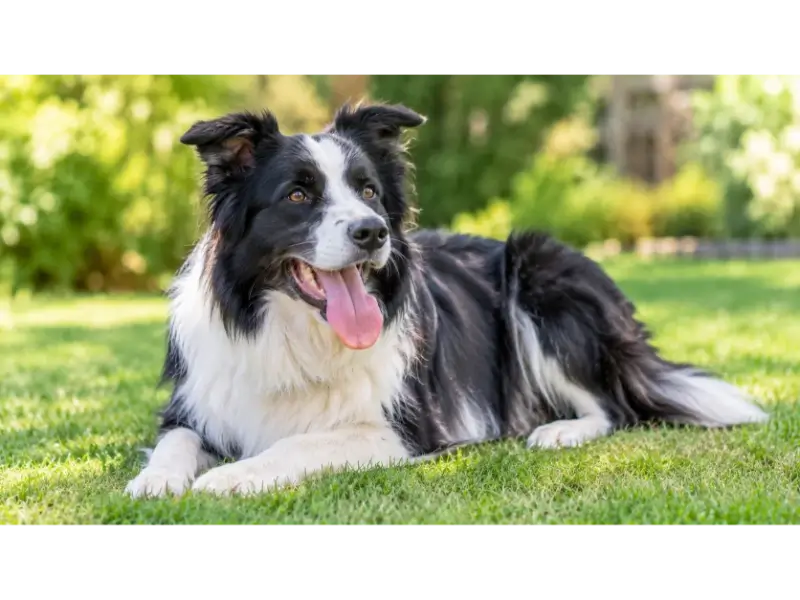
You notice your dog panting heavily. It is 10 PM and they have not moved from the couch in an hour. The room is not hot. Nothing stressful happened today. And yet, there they are – breathing fast with their mouth wide open, like they just ran a mile.
Something feels off. You are right to trust that feeling.
Panting is completely normal for dogs – but when it happens at the wrong time, lasts too long, or comes with other symptoms, it can be one of the first signs of something serious. Heart disease, Cushing’s disease, bloat, poisoning, and pain can all show up first as heavy panting before any other obvious symptom appears.
This guide covers every reason your dog might be panting excessively, the warning signs that mean act right now, and exactly what to do in each situation. But first – do these two quick checks before anything else.
🚨 Check These Two Things Right Now
1. Gum Color Check – Lift your dog’s lip and look at their gums:
- Pink and moist – Normal. You are okay.
- Pale, white, or grayish – Possible anemia, shock, or heart problem. Call your vet now.
- Blue or purple – Oxygen deprivation. Go to emergency vet immediately.
- Bright red and sticky – Possible heatstroke or carbon monoxide. Act immediately.
2. Resting Respiratory Rate (RRR) – Count breaths for 15 seconds while your dog lies still. Multiply by 4.
- Under 30 breaths/min – Normal range.
- 30 or above at rest – Contact your vet today.
- Above 40 at rest – Emergency. Go now.
What Is Normal Dog Panting?
Dogs do not cool down the way people do. Humans sweat through millions of sweat glands spread across their skin. Dogs only have a small number of sweat glands – mostly located in their paw pads. That is nowhere near enough to cool a 60-pound body on a warm day.
So instead, dogs pant. When a dog pants, moisture evaporates quickly from their tongue, mouth, and upper airway. This pulls heat out of their body, similar to how sweating works in people. It is a smart, efficient system – but it means panting is completely normal behavior in many situations.
Normal panting happens when your dog:
- Just finished a run, walk, or play session
- Is sitting in the sun or a warm room
- Gets excited when you come home or during playtime
- Is nervous at the vet or during a car ride
- Just woke up from a deep nap
This kind of panting is nothing to worry about. It slows down on its own as the dog cools off or settles down.
Panting becomes a concern when it:
- Happens at rest with no obvious trigger
- Keeps going for more than 10 to 15 minutes without slowing
- Looks more forced or labored than normal panting
- Keeps waking your dog up at night
- Comes with other symptoms like shakiness, lethargy, or refusing to eat
- Starts suddenly and intensely for no clear reason
Why Is My Dog Panting So Much? 15 Possible Causes
1. Heat and Heatstroke
This is the most common reason for heavy panting. When a dog gets too hot, their body ramps up panting hard and fast to push heat out.
Heatstroke is different from just feeling warm. It is a medical emergency that can cause organ failure and death within hours. Never leave a dog in a parked car. Even on a 70°F day, the inside of a car can reach over 100°F in under 20 minutes.
Signs of heatstroke beyond panting: Bright red or sticky gums, drooling heavily, vomiting, stumbling, or collapse.
What to do: Move your dog to a cool area immediately. Apply cool – not ice cold – water to their body, especially under the legs and on the neck. Fan them and offer water if they are awake and alert. Get to a vet right away even if they seem to improve.
2. Pain
Dogs cannot tell you when they hurt. Panting is one of their main ways of showing pain. Many owners do not connect panting to pain because there is no limping or crying – just faster breathing at odd times.
Arthritis pain is especially common in older dogs. As joints get more inflamed over time, the pain gets harder to ignore – especially at night when the dog lies still and has nothing to distract from it. This is a big reason why older dogs pant more in the evening and overnight.
Other pain sources that cause panting: Injury (sprains, fractures), dental disease, ear infections, abdominal pain, post-surgery recovery, and cancer.
What to look for: Panting that gets worse when you touch a specific area, stiffness when getting up, changes in behavior like hiding or snapping when touched, or limping.
3. Anxiety and Stress
Anxiety is one of the most common non-medical causes of excessive panting. It is a physical response – the same way a nervous person might sweat or breathe fast, an anxious dog pants.
Common anxiety triggers: Thunderstorms and fireworks, being left alone (separation anxiety), vet visits, car rides, strangers in the home, and loud noises.
If your dog pants and also follows you everywhere around the house, it may be a sign of separation anxiety. They are trying to stay close to you because being away feels unsafe to them.
What helps: A calm, quiet space, a thunder shirt (compression wrap), pheromone diffusers like Adaptil, and in more serious cases, a conversation with your vet about anxiety medication.
4. Congestive Heart Failure (CHF) – The Silent Killer
Heart disease is one of the most underdiagnosed causes of excessive panting in dogs. It is called the “silent killer” because the early signs are subtle – a little extra panting during mild activity, tiring out faster than before, or coughing at night. By the time most owners realize something is seriously wrong, the disease has already progressed.
In dogs with congestive heart failure, the heart loses its ability to pump blood efficiently. Fluid backs up into the lungs, making it harder to breathe. Panting is the dog’s attempt to get more oxygen into a body that is not getting enough.
Signs of cardiac disease alongside panting:
- Coughing at night or after lying down
- Getting tired faster on walks
- Swollen belly (fluid buildup)
- Blue or grayish gums
- Fainting or sudden collapse
Breeds with higher cardiac risk: Cavalier King Charles Spaniels, Dobermans, Boxers, Great Danes, Dachshunds, and most small breeds (mitral valve disease is especially common in small dogs).
If you suspect heart issues, your vet will likely recommend a chest X-ray and an echocardiogram. Early detection and medication (like pimobendan and furosemide) can significantly extend and improve quality of life.
5. Cushing’s Disease
If your dog is panting excessively AND drinking more water than usual, Cushing’s disease is high on the list of suspects.
Cushing’s disease (hyperadrenocorticism) happens when the body produces too much cortisol – the stress hormone. This disrupts nearly every system in the body, including temperature regulation. Dogs with Cushing’s disease often pant constantly, even when they are lying still in a cool room. The panting looks purposeless because it is – the body cannot regulate itself properly.
Other signs of Cushing’s disease:
- Increased thirst and urination
- Pot-belly appearance despite normal or increased appetite
- Hair loss on the body (but not the head or legs)
- Thin or fragile skin that bruises easily
- Muscle weakness and fatigue
This disease is most common in middle-aged to older dogs and in breeds like Poodles, Dachshunds, Beagles, and Boxers. Diagnosis requires specific blood tests including an LDDS (low-dose dexamethasone suppression) test. Treatment with trilostane can significantly improve how your dog feels.
6. Respiratory Problems
When the lungs or airway are not working properly, a dog breathes harder to try to get enough oxygen. That shows up as heavy, labored panting.
Laryngeal Paralysis
The larynx (voice box) has muscles that pull the airway open every time the dog breathes in. In laryngeal paralysis, those muscles stop working properly – the airway does not open wide enough, and the dog has to work much harder to pull air in.
It sounds like loud, raspy, labored breathing – owners often describe it as sounding like something is stuck in the throat. This is most common in older large breed dogs, especially Labrador Retrievers and Golden Retrievers.
Tracheal Collapse
The trachea (windpipe) has rings of cartilage that keep it open. In some dogs – especially small breeds – those rings weaken and the trachea partially collapses when the dog breathes, creating a distinctive honking cough and labored breathing. Breeds most commonly affected include Yorkshire Terriers, Pomeranians, Chihuahuas, Pugs, and Shih Tzus.
Pulmonary Fibrosis
Scarring of lung tissue that reduces oxygen exchange. It is especially common in older West Highland White Terriers. Causes progressive breathing difficulty and persistent panting.
Pneumonia and Bronchitis
Respiratory infections cause inflammation that makes breathing difficult. If your dog has panting alongside coughing, nasal discharge, or a fever, a respiratory infection may be the cause.
7. Bloat / GDV – Emergency
🚨 This is a Life-Threatening Emergency
Gastric Dilatation-Volvulus (GDV) can kill a dog in a matter of hours. If you see the symptoms below together, go to an emergency vet immediately – do not wait.
Bloat happens when the stomach fills with gas and then twists on itself, cutting off blood supply to the stomach and surrounding organs. Panting and restlessness are often the first signs, before the belly visibly distends.
Signs of bloat: Panting and restlessness, a hard and swollen-looking belly, retching or trying to vomit with nothing coming up, pacing and inability to settle, and pale gums.
Breeds at highest risk are deep-chested dogs: Great Danes, German Shepherds, Standard Poodles, Dobermans, Weimaraners, Irish Setters, and Basset Hounds. Any dog can get bloat, but these breeds are at much higher risk.
8. Poisoning
Sudden, unexplained heavy panting can be a sign that your dog has eaten something toxic. Many common household items are poisonous to dogs and cause panting as one of the first symptoms.
Common toxins that cause panting: Antifreeze (ethylene glycol), rat poison (rodenticides), snail and slug bait (metaldehyde), xylitol (artificial sweetener found in sugar-free gum and snacks), grapes and raisins, certain mushrooms, insecticides, and some plants including azaleas, oleander, and sago palms.
📞 ASPCA Animal Poison Control Center
(888) 426-4435 – Available 24 hours a day, 7 days a week. If you think your dog ate something toxic, call this number immediately. Do not wait for symptoms to get worse.
9. Medication Side Effects
If your dog recently started a new medication and is now panting more than usual, the medication may be the cause. This is a gap that many owners miss because they do not connect the two events.
Prednisone and other corticosteroids are some of the most commonly prescribed dog medications, and increased panting is a well-known side effect. Steroids affect the body’s temperature regulation and can mimic some effects of Cushing’s disease – including constant panting even at rest.
Other medications that can cause panting: Some antiparasitic drugs, opioid pain medications, and thyroid supplements if the dosage is off.
Do not stop any medication without talking to your vet – but do mention the panting at your next appointment or call the clinic to ask if it is an expected side effect.
10. Heartworm Disease – The Other Silent Killer
Heartworm is transmitted by mosquitoes and is present in all 50 US states. Adult heartworms live in the heart and lungs, causing serious damage over time. Like CHF, it is called a silent killer because dogs can carry heartworms for months or years before showing obvious signs.
By the time heavy panting, exercise intolerance, and coughing appear, the infestation is often advanced and much harder to treat. Prevention is simple and inexpensive – a monthly heartworm prevention tablet or chew. The American Heartworm Society recommends year-round prevention for all dogs in the United States.
If your dog is not on regular heartworm prevention, ask your vet about testing and starting a prevention program.
11. Female-Specific Causes
If you have a female dog, some panting causes are specific to her.
Heat Cycle (Estrus): Unspayed female dogs in heat can pant more than usual due to hormonal changes and mild discomfort.
Phantom Pregnancy (False Pregnancy): After a heat cycle, some female dogs experience a false pregnancy – with physical and behavioral changes including panting, restlessness, and nesting behavior. It usually resolves on its own within a few weeks.
Eclampsia (Milk Fever): This is a life-threatening condition in nursing mothers, usually in the first few weeks after birth. Calcium levels drop severely, causing muscle tremors, panting, stiffness, and in severe cases, seizures. If you have a nursing dog panting heavily with any muscle tremors or stiffness, this is an emergency.
Post-Spay Recovery: Some panting in the days after spay surgery is normal – it is usually pain-related or related to the anesthesia wearing off. Contact your vet if it seems excessive or does not improve within a day or two.
12. Cognitive Dysfunction Syndrome in Senior Dogs
Cognitive Dysfunction Syndrome (CDS) is the dog equivalent of dementia. It affects older dogs and disrupts their normal thinking, behavior, and sleep cycles. Dogs with CDS often pace, stare at walls, seem lost in familiar spaces, and pant at night for no obvious reason.
The nights are especially hard for dogs with CDS. They cannot settle, cannot sleep normally, and become visibly distressed – which shows up as panting, pacing, and whining. If your senior dog started panting at night with signs of confusion or disorientation, CDS may be a factor alongside other conditions like pain or heart disease.
13. Anemia
When a dog is anemic, their blood carries less oxygen to their tissues than it should. The body responds by increasing the breathing rate to try to get more oxygen in – which shows up as panting.
Signs of anemia alongside panting: Pale or white gums, lethargy, weakness, and a faster heartbeat than normal. Blood tests are needed to confirm anemia, and further testing is needed to find the cause.
14. Kidney Failure
Dogs with kidney failure can pant due to fluid buildup, toxin accumulation in the blood, and the general physical stress on the body. It is often accompanied by increased thirst, reduced appetite, vomiting, weight loss, and bad breath with a chemical smell. Kidney disease is diagnosed through blood and urine tests.
15. Hypothyroidism and Other Hormonal Issues
The thyroid gland controls the body’s metabolism. When it underperforms (hypothyroidism), dogs can gain weight, become lethargic, and sometimes pant more than normal. Other hormonal disorders that affect temperature regulation can cause similar symptoms. Diagnosis is through a simple thyroid panel blood test, and treatment with daily thyroid medication usually resolves the symptoms.
Panting Plus Other Symptoms – What the Combination Means
Panting alone can have dozens of causes. But panting alongside specific other symptoms narrows things down quickly. Use this table as a starting point – not a diagnosis:
| Panting Plus… | Likely Direction |
|---|---|
| Excessive thirst and more urination | Cushing’s disease, diabetes, kidney disease |
| Shaking or trembling | Pain, poisoning, low blood sugar, eclampsia |
| Pacing and restlessness | Bloat, pain, anxiety, poisoning |
| Pale or white gums | Anemia, internal bleeding, shock, heart problem |
| Blue or purple gums | Oxygen deprivation – emergency |
| Retching with nothing coming up and swollen belly | Bloat/GDV – emergency |
| Coughing (especially at night) | CHF, heartworm, respiratory infection |
| Following you everywhere | Separation anxiety, pain, sensing something wrong |
| Pot belly and hair loss | Cushing’s disease |
| Honking cough | Tracheal collapse |
| Raspy, labored breathing | Laryngeal paralysis |
| Started a new medication recently | Medication side effect (especially steroids) |
Why Is My Dog Panting So Much at Night?
This deserves its own section because nighttime panting is one of the most common and most alarming things owners experience. When a dog pants heavily at rest in the middle of the night, something specific is driving it – not exercise, not heat.
Pain That Gets Noticed at Rest
During the day, a dog is moving around and distracted. At night, lying still, the discomfort from arthritis, cancer, or injury becomes the main focus. Pain panting often gets worse overnight – which is why some owners notice their dog panting at night for the first time and think something suddenly changed, when actually it has been building for a while.
Heart Failure and Fluid in the Lungs
When a dog with congestive heart failure lies down, fluid redistributes in the lungs and makes breathing harder. Many dogs with CHF are restless at night and may sleep in odd positions – half sitting up, or with their head elevated – because that makes it easier to breathe. Nighttime coughing paired with panting is a classic sign.
Cushing’s Disease Disrupts Sleep
The overproduction of cortisol in Cushing’s disease disrupts normal sleep and body temperature regulation. Dogs with untreated Cushing’s often pant through the night consistently – not just occasionally. If nighttime panting is happening almost every night alongside the other Cushing’s symptoms, this connection is worth discussing with your vet.
Cognitive Dysfunction (Canine Dementia)
Older dogs with Cognitive Dysfunction Syndrome are often worse at night. The disorientation and anxiety are amplified in the dark and quiet. Pacing, panting, and whining at night are hallmarks of CDS in senior dogs.
New Dog or Foster Dog Adjustment
A newly adopted or foster dog panting at night is usually adjustment stress rather than a medical emergency. The 3-3-3 rule describes what to expect: in the first 3 days, the dog is overwhelmed and may pace or pant from stress. After 3 weeks, they begin settling into the routine. After 3 months, they typically feel fully at home. Nighttime panting during those first few days is normal and usually resolves on its own.
Emergency Warning Signs – When to Act Immediately
Some situations cannot wait for a morning appointment. Go to an emergency animal hospital right now if your dog is panting with any of these signs:
🚨 Go to Emergency Vet Right Now
- Blue, purple, or white gums
- Retching with nothing coming up and a hard, swollen belly (bloat)
- Collapse or inability to stand
- Sudden extreme labored breathing
- Suspected poisoning – call ASPCA Poison Control: (888) 426-4435
- Panting with severe muscle tremors or seizures
- Panting after trauma (car accident, fall, animal attack)
⚠️ Call Your Vet Today
- Resting respiratory rate of 30 or more breaths per minute
- Pale or grayish gums
- Panting that has not stopped for several hours
- Panting with vomiting and lethargy together
- Night panting that is happening most nights repeatedly
- Panting alongside coughing or breathing changes you have not seen before
How to Calm a Panting Dog
The right response always depends on the cause. Here are the most common scenarios:
If your dog is overheated: Move them to a cool area right away. Apply cool – not ice cold – water to their groin area, neck, and armpits. Offer fresh water to drink if they are alert. Fan them. Get to a vet if they do not cool down and settle within 10 minutes, or if gums look abnormal.
If your dog is anxious: Remove them from the trigger if possible. Create a quiet, dim, calm space. Try a thunder shirt or anxiety wrap. Use an Adaptil diffuser or spray in the area. Sit calmly near them without over-fussing – too much attention can actually increase anxiety.
If you are not sure what is causing it: Do the gum color check and resting respiratory rate count described at the top of this article. Monitor for 10 to 15 minutes. If it does not resolve or other symptoms appear, call your vet.
Important: Never give your dog human medications like Tylenol (acetaminophen) or Advil (ibuprofen). Both are toxic to dogs. Even Benadryl should only be given under vet guidance for the correct dose and situation.
When to See a Vet – And What to Ask For
See your vet if:
- Panting has been happening more often than normal for more than a week
- Your senior dog (over 7 years old) is panting at night regularly
- Your dog has panting plus any symptom from the combination table above
- Panting started around the same time as other changes like increased thirst, weight change, or behavior shifts
If your vet says everything looks fine but panting continues, here are specific tests worth asking about by name:
- Chest X-ray – checks for fluid in the lungs, an enlarged heart, and lung masses
- Echocardiogram – looks at the heart’s structure and function in real time
- LDDS test (low-dose dexamethasone suppression) – screens for Cushing’s disease
- Thyroid panel – checks thyroid function
- Complete blood count (CBC) and chemistry panel – broad health screen including anemia, kidney, and liver markers
- Abdominal ultrasound – checks for masses, organ changes, and GI problems
You know your dog better than anyone. If something feels wrong, push for more testing. Early detection makes an enormous difference with conditions like CHF and Cushing’s disease.
Frequently Asked Questions About Dog Panting
When should I worry about my dog panting?
Worry when panting happens at rest with no trigger, lasts more than 15 to 20 minutes, happens repeatedly at night, or comes with any other symptoms like pale gums, vomiting, weakness, or behavior changes. Do the gum color check and resting respiratory rate count – gums should be pink, and resting breathing should be under 30 breaths per minute. If either is off, contact your vet the same day.
What is the 3-3-3 rule for dogs with anxiety?
The 3-3-3 rule describes the adjustment period for a newly adopted or foster dog. For the first 3 days, the dog is often overwhelmed and may shut down, pace, or pant from stress. After 3 weeks, they begin learning the routine and start calming down. After 3 months, they typically feel fully at home. Panting in a new dog during the first few days is usually normal stress panting and not a medical emergency. If heavy panting continues beyond the first week without improvement, a vet check is a good idea to rule out medical causes.
How do I help my dog stop panting?
It depends entirely on the cause. For heat, move your dog to a cool area and apply cool water to their body. For anxiety, create a calm space and try a thunder shirt or Adaptil pheromone diffuser. For pain or medical causes like heart disease or Cushing’s, there is no home fix – you need a vet. If you do not know why your dog is panting, check their gum color and resting respiratory rate, then call your vet if anything seems off or the panting lasts more than 15 to 20 minutes without slowing down.
Why is my dog panting with her mouth open?
Panting always involves an open mouth – that is how it works. What you are likely noticing is panting that continues at rest, which is not normal. Dogs should breathe calmly with their mouth closed when lying still. If your dog is panting hard with an open mouth while resting, that is worth noting – especially if it lasts more than 15 minutes or comes with other symptoms. Heat, pain, heart disease, and respiratory conditions are the most common causes of panting at rest.
Why is my dog panting but hasn’t done anything?
Several conditions cause panting without any physical trigger. Pain is one of the most common – dogs often hide discomfort well, and panting is how it comes out. Anxiety can cause panting even when there is no obvious trigger. Cushing’s disease and early heart disease both cause panting at rest. Medication side effects, especially from prednisone, can also cause constant panting. If your dog is panting heavily for no obvious reason and it lasts more than 15 to 20 minutes, it is worth a vet visit – especially if they are middle-aged or older.
Why is my dog breathing weird like something is stuck in their throat?
Two conditions most commonly cause this. Laryngeal paralysis means the muscles that hold the voice box open stop working – the airway does not open fully, and breathing sounds raspy and labored, like air is struggling to get through. This is common in older large breeds, especially Labrador Retrievers. Tracheal collapse means the cartilage rings in the windpipe weaken and collapse, creating a distinctive honking sound, more common in small breeds. A third possibility is reverse sneezing, which is loud and alarming but harmless and lasts only a few seconds. If the breathing issue is ongoing rather than occasional, have your vet evaluate which condition you are dealing with.
What is the silent killer in dogs?
Two diseases are called the “silent killer” in dogs. The first is heart disease – specifically Congestive Heart Failure (CHF). It develops slowly and owners often miss the early signs: a little extra panting during mild activity, coughing at night, tiring more easily on walks. The second is heartworm disease, transmitted by mosquitoes. Both progress silently for months or years before the dog shows obvious symptoms. Panting during mild activity or at rest is often one of the first signs owners notice. Regular vet checkups and year-round heartworm prevention are the best protection against both.
Can a dog clear a blockage on its own?
Small soft objects in the digestive tract sometimes pass on their own, but any suspected airway or serious digestive blockage needs immediate veterinary attention – not waiting to see if the dog “works it out.” If your dog is panting, retching repeatedly with nothing coming up, and has a hard or swollen belly, this could be GDV (bloat) – a stomach twist that is fatal without emergency surgery. That cannot clear on its own. Go to an emergency vet immediately.
What are the signs that a dog with tracheal collapse is in the final stages?
In advanced tracheal collapse, the dog struggles to breathe even at complete rest. The honking cough and labored breathing become near constant and do not respond well to medication. The dog may show bluish gums due to low oxygen, and even mild activity becomes impossible. Quality of life decreases significantly. This stage requires palliative care and a compassionate conversation with your veterinarian about what your dog is experiencing and what options are available, including quality-of-life assessment. Some dogs are managed successfully for years with the right medications and lifestyle adjustments, while others decline faster.




3 Comments
Comments are closed.