
Colitis in Dogs: Causes, Symptoms, Treatment, When to Worry And See A Vet
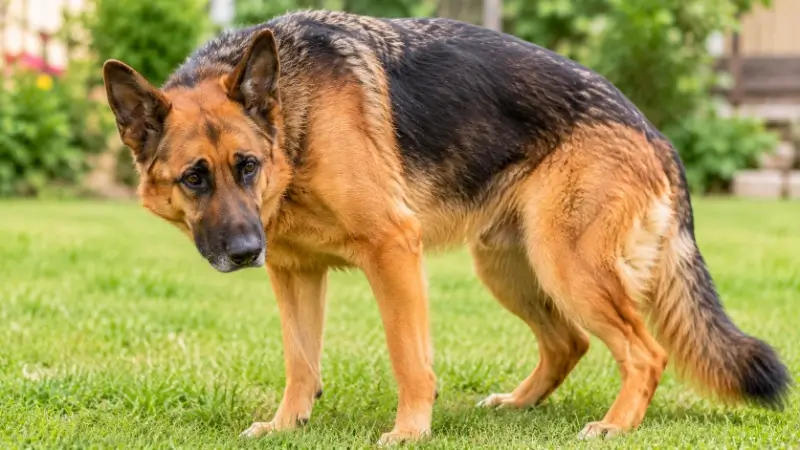
If your dog is running outside every 20 minutes, squatting over and over, and leaving small piles of loose stool with mucus or a streak of blood, they may have colitis. It is one of the most common digestive problems in dogs. The good news is that most dogs recover quickly – often within a few days. This guide covers everything you need to know: what colitis is, what causes it, how to treat it at home, what your vet can do, and when to worry.
What Is Colitis in Dogs?
Colitis simply means inflammation of the colon. The colon is the last section of the large intestine. Its job is to absorb water and move waste out of the body. When the colon gets inflamed, it cannot do that job well – and diarrhea is the result.
There are several types of colitis in dogs:
- Acute colitis – Comes on suddenly and usually clears up within 3 to 5 days.
- Chronic colitis – Lasts more than 3 weeks, or keeps coming back multiple times in a 6-month window.
- Stress colitis – Triggered by anxiety, fear, or changes in routine. This is the most common type.
- Dietary colitis – Caused by food sensitivities, allergies, or eating something that upsets the gut.
- Infectious colitis – Caused by bacteria, parasites, or viruses.
- Histiocytic Ulcerative Colitis (HUC) – A more serious form that mainly affects Boxers, French Bulldogs, and English Bulldogs.
Large Bowel vs. Small Bowel Diarrhea – Why It Matters
Not all dog diarrhea is the same. Knowing whether the problem is in the large intestine (colon) or the small intestine helps your vet diagnose the cause much faster.
| Sign | Large Bowel (Colitis) | Small Bowel |
|---|---|---|
| Stool volume | Small amounts, frequent | Large amounts, less frequent |
| Mucus in stool | Very common | Rare |
| Blood in stool | Bright red (hematochezia) | Dark/tarry (melena) |
| Straining | Common | Uncommon |
| Vomiting | Less common | More common |
| Weight loss | Rare in acute cases | More common |
| Dog’s energy | Usually normal | Often reduced |
Is Colitis in Dogs Fatal? Life Expectancy and Prognosis
This is one of the most searched questions – and it deserves a straight answer right away.
No, colitis is not usually fatal. Most dogs with acute colitis recover within 3 to 5 days with proper home care or basic treatment. Even dogs with chronic colitis – the type that keeps coming back – can live a completely normal, happy life with the right management plan.
Dog owners have shared stories of their dogs living 13, 14, even 17 years while managing colitis or IBD. Identifying triggers, finding the right diet, and working with your vet are what make the difference.
Colitis can become serious when:
- Your dog is severely dehydrated
- There is a large amount of blood in the stool
- Your dog is a young puppy or elderly with other health problems
- The colitis keeps coming back and is not responding to treatment
- Histiocytic Ulcerative Colitis is left undiagnosed and untreated
Signs and Symptoms of Colitis in Dogs
The defining sign of colitis is urgency – your dog suddenly needs to go outside RIGHT NOW, often with little warning. Here is what colitis usually looks like:
- Loose or watery stools
- Mucus in the stool (looks slimy or jelly-like)
- Bright red blood in the stool (hematochezia)
- Straining to poop, even right after going
- Going much more often than normal – sometimes 3 to 5 times more
- Small amounts of stool each time
- Accidents indoors in dogs who are normally housetrained
- Scooting across the floor
- Belly discomfort or gurgling sounds
- Normal or slightly decreased appetite
One thing owners notice a lot: their dog acts mostly fine, is still eating, and has normal energy – but cannot stop running outside to poop. That is colitis in a nutshell. The issue is in the large intestine only, so it does not make most dogs feel as sick as a stomach bug would.
What Causes Colitis in Dogs?
Colitis has many possible triggers. Finding your dog’s specific trigger is the most important step in stopping it from coming back.
Stress and Anxiety – The Trigger Many Owners Miss
Stress colitis is extremely common – and many owners never connect their dog’s symptoms to something stressful that happened recently. Dogs have what scientists call a “second brain” in their gut. The gut and the brain are directly connected. When a dog feels stressed, the gut reacts.
Common stress triggers for colitis in dogs:
- Moving to a new home
- Boarding at a kennel or going to the groomer
- Loud noises: fireworks, motorcycles, thunderstorms
- Separation anxiety and being left alone for longer than usual
- Changes in the daily schedule or routine
- New pets or new family members in the house
- Travel or long car rides
If your dog’s colitis always seems to come after a specific event, stress colitis is the likely explanation.
Dietary Triggers – Chicken Is the Most Common Food Culprit
Food is the second most common cause of colitis in dogs. Here is something many people are surprised to learn: chicken is the single most commonly reported food trigger for colitis in dogs. This pattern shows up consistently in hundreds of dog owner discussions and veterinary case reports.
Chicken is the most heavily used protein in commercial dog food – which is exactly why so many dogs develop sensitivities to it over time. Dog after dog has improved when their owner switched to a chicken-free diet. If your dog has recurring colitis and eats any chicken-based food, this is the first thing to try changing.
Other common dietary triggers:
- Sudden food changes
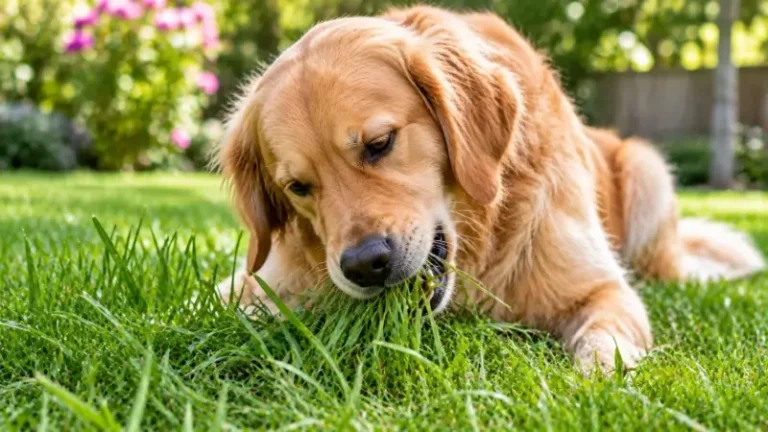
- Eating garbage, grass, or things found outside
- High-fat foods or rich table scraps
- Rawhides and chews
- Food allergies or intolerances
Food Fatigue – A Hidden Cause of Recurring Colitis
Here is something most articles do not cover: food fatigue. A dog can eat the same protein for months or years – even a “safe” one like salmon or lamb – and slowly develop an intolerance to it over time. The immune system essentially gets tired of seeing the same protein and starts reacting to it.
If your dog’s colitis keeps coming back every few weeks despite eating a “safe” food, food fatigue may be the reason. Rotating proteins every 3 to 6 months can help prevent this from happening.
Parasites – And Why Standard Tests Often Miss the Worst One
Parasites are a known cause of colitis, but here is an important gap: standard fecal float tests miss whipworms more often than not. Whipworms (Trichuris vulpis) are one of the most common parasites causing colitis in dogs – but they shed eggs in cycles, so a fecal test run between cycles comes back clean even when the dog is infected.
If your dog has recurring colitis and parasites have not been fully ruled out, ask your vet about a fecal PCR panel (a DNA-based test) or a treatment trial with a dewormer that covers whipworms. This step is skipped by many owners because they were told “the fecal was clean.”
Other parasites that can cause colitis:
- Giardia
- Cryptosporidium
- Roundworms and hookworms
Bacterial Infections
Some bacterial infections directly inflame the colon lining. These include Clostridium perfringens, Campylobacter, Salmonella, and E. coli. They are more common in dogs that eat raw food, drink from puddles, or spend time around many other animals.
When the cause of colitis is bacterial, viral, or parasitic, it can potentially spread between dogs. Stress colitis and food-related colitis are not contagious.
Inflammatory Bowel Disease (IBD)
IBD (Inflammatory Bowel Disease) is a chronic condition that causes ongoing gut inflammation. It is not the same thing as colitis – IBD is the ongoing disease, and colitis can be one of its symptoms. Dogs with IBD usually need longer-term management, which sometimes includes prescription diets, corticosteroids, B12 injections, or specialist care.
Histiocytic Ulcerative Colitis (HUC) in Boxers and Bulldogs
HUC is a specific form of colitis that mainly affects Boxers, French Bulldogs, and English Bulldogs. It causes severe, persistent bloody diarrhea and can progress quickly. The condition is caused by a type of immune cell invading the wall of the colon. It requires an intestinal biopsy for diagnosis and responds well to enrofloxacin (Baytril) when caught early. If you have one of these breeds and your dog has bloody colitis that is not clearing up, ask your vet specifically about HUC.
When to Call Your Vet – And When It Is an Emergency
Mild colitis in an otherwise healthy adult dog can be managed at home. But some signs mean your dog needs professional care right away.
Go to an emergency vet immediately if your dog:
- Has very heavy bloody diarrhea (not just streaks – a lot of red blood)
- Is dehydrated (sunken eyes, dry or sticky gums, skin that does not bounce back when pinched)
- Has a racing heart (you can feel it through the chest)
- Cannot keep water down
- Is a young puppy or a small toy breed dog
- Has eaten something toxic or a foreign object
- Is lethargic or collapsing
Call your vet within 24 to 48 hours if:
- Diarrhea has not improved after 2 to 3 days of home care
- Your dog is not eating at all
- Symptoms keep returning (recurrent colitis)
- You notice gradual weight loss
If your dog has had colitis multiple times within a 6-month window, or if a single episode lasts more than 3 weeks, your vet will likely recommend an intestinal biopsy to find out what is happening at the tissue level.
How Vets Diagnose Colitis in Dogs
For a stable dog with mild symptoms, the diagnostic workup is usually simple:
- Physical exam to check hydration, abdominal pain, and overall condition
- Fecal flotation test to check for parasites
For a dog that is dehydrated, has significant blood in the stool, or is very unwell, the workup gets broader:
- Complete blood count (CBC)
- Serum chemistry panel
- Urinalysis
- Abdominal ultrasound
For recurring or chronic cases:
- Fecal PCR panel – DNA-based test that is far better at detecting whipworms and other hard-to-find parasites
- Cobalamin (B12) level – especially important for German Shepherds and other breeds prone to malabsorption
- Intestinal biopsy via colonoscopy – required for cases lasting 3 or more weeks, or recurring within a 6-month window
One test that is NOT recommended for acute colitis: microbiome testing. The gut microbiome changes rapidly during and after any GI episode, so a microbiome test during a colitis flare does not reflect your dog’s normal microbiome and can produce misleading results.
Conventional Treatment Options for Colitis in Dogs
Metronidazole – What You Should Know Before Your Dog Takes It
Metronidazole (Flagyl) is the most commonly prescribed antibiotic for colitis in dogs. Many vets reach for it automatically. Here is what most dog owners are not told: metronidazole has lasting negative effects on the gut microbiome.
Research – including work from Ohio State University – has found that metronidazole’s microbiome damage is not limited to the gut. The disruption can extend to affect the heart, kidneys, lungs, and even the brain. Some dogs take months to restore their gut microbiome after a course. Some never fully recover.
This does not mean metronidazole is never the right choice. For infectious colitis caused by bacteria, it can be appropriate. But prescribing it for non-infectious colitis – like stress colitis or dietary colitis – goes against current antimicrobial stewardship guidelines in veterinary medicine.
If your vet recommends metronidazole, it is worth asking: “Is there evidence this is an infectious cause, or could we try a fiber-based approach first?”
Psyllium Fiber – The Research-Backed Alternative to Antibiotics
Veterinary researchers at Ohio State University ran a clinical trial directly comparing psyllium fiber to metronidazole for treating colitis in dogs. The finding was clear: psyllium was just as effective as metronidazole at resolving colitis – without damaging the microbiome.
Psyllium works differently from an antibiotic. It acts as a prebiotic – feeding healthy bacteria in the gut – while also adding bulk to the stool and helping soothe the colon lining. Plain, unflavored psyllium husk (look for plain Metamucil or bulk psyllium at the store – no sweeteners, no flavors) can be added directly to your dog’s food. Typical dose for a medium-sized dog is 1 to 3 teaspoons per day, but confirm the right amount for your dog’s size with your vet.
Tylosin (Tylan Powder) – A Better Antibiotic Choice for Many Dogs
When an antibiotic is truly needed for colitis, tylosin (sold as Tylan powder) is often a better option than metronidazole. Tylosin has a narrower spectrum of action, which means it is gentler on the overall gut microbiome. It has been used in dogs with chronic colitis for decades, and many dogs that did not fully respond to metronidazole have done well on tylosin instead.
Sulfasalazine for Chronic Colitis
Sulfasalazine is a medication designed specifically to treat colon inflammation. When it reaches the colon, it converts to mesalamine, an anti-inflammatory compound that acts directly on the colon lining. It is often used for chronic colitis that does not respond to diet changes and probiotics alone.
Corticosteroids for IBD-Related Colitis
For dogs with IBD-related colitis or autoimmune-driven colitis, prednisone or other corticosteroids may be needed to calm the immune system. These are typically used when other treatments have not worked and a biopsy has confirmed the diagnosis.
Fecal Microbiota Transplant (FMT) – The Emerging Treatment
Fecal Microbiota Transplant (FMT) is a newer treatment being used in veterinary medicine for dogs with colitis and IBD. It involves transferring gut bacteria from a healthy donor dog into the sick dog’s digestive tract.
Clinical data shows FMT is comparable to metronidazole in resolving colitis episodes – but with a key advantage: it restores the microbiome instead of damaging it. FMT is not available at every clinic, but it is increasingly offered at veterinary internal medicine and GI specialist practices. If your dog has chronic colitis that has not responded well to standard treatment, it is worth asking about.
Home Treatment for Colitis in Dogs
For mild colitis in an otherwise healthy adult dog, home care often works well. Here is a step-by-step protocol:
Step-by-Step Home Care for Colitis
Step 1: Rest the gut with a short fast
Give your dog a 12 to 24 hour food fast to let the colon settle down. This applies to healthy adult dogs only. Never fast puppies, toy breeds, diabetic dogs, or senior dogs with other health problems without specific guidance from your vet. Fresh water must always be available throughout the fast.
Step 2: Start a bland diet
After the fast, offer small amounts of bland food 3 to 4 times a day for 3 to 5 days. The safest options:
- Boiled ground turkey + white rice (turkey is a safer choice than chicken for colitis-prone dogs)
- Boiled white fish + white rice
- Ratio: 1 part protein to 3 parts rice
Once stools firm up, transition back to regular food over 5 to 7 days.
Step 3: Add plain canned pumpkin
Plain canned pumpkin (NOT pumpkin pie filling, which has sugar and spices) is one of the most community-validated home remedies for dog colitis. It is high in soluble fiber, which soothes the colon and helps firm up stool. Dose: 1 tablespoon for small dogs, up to 4 tablespoons for large dogs. Mix it into the bland diet food.
Step 4: Add unflavored psyllium
Plain psyllium husk (unflavored Metamucil or bulk psyllium – no sweeteners) can be mixed into food to bulk up the stool and reduce urgency. Backed by Ohio State clinical trial data as an effective colitis treatment.
Step 5: Give a dog-specific probiotic
Start a probiotic when you start the bland diet. It helps restore the gut bacteria disrupted by the colitis episode.
Step 6: Reduce stress in the environment
Keep things quiet and calm while your dog recovers. If a stress event triggered the colitis, reduce your dog’s exposure to that stressor.
What NOT to give your dog at home:
- Pepto-Bismol – Contains bismuth subsalicylate, which is related to aspirin and can be harmful to dogs
- Imodium (loperamide) – Can be dangerous for Collies, Shelties, and other herding breeds with the MDR1 gene mutation; only use if a vet recommends it
- Human probiotics with xylitol – Xylitol is toxic to dogs; always check the label
The Best Probiotics for Dogs With Colitis
Probiotics are one of the best-supported tools for managing colitis in dogs. They help restore the gut microbiome that colitis – and antibiotics – disrupt. Here are the specific products and strains with the most real-world support:
FortiFlora by Purina
The most widely recommended probiotic by veterinarians for dog colitis. It contains Enterococcus faecium SF68, a well-studied strain for dog GI health. Available as a powder that goes on top of food. Great palatability – most dogs eat it readily without any coaxing.
Proviable Forte
Consistently rated as the top probiotic by dog owners managing chronic colitis. It contains multiple bacterial strains plus a prebiotic fiber blend. Many owners managing long-term colitis report Proviable Forte outperforms FortiFlora for dogs with ongoing GI issues.
Saccharomyces boulardii (S. boulardii) + Bacillus subtilis
This combination works differently from bacteria-based probiotics. S. boulardii is a beneficial yeast – and unlike bacterial probiotics, it is not destroyed by antibiotics. This makes it especially useful when your dog is on or has just finished a course of antibiotics. Pairing it with Bacillus subtilis provides additional support for the gut lining.
Visbiome
A high-potency multi-strain probiotic. Used for more severe gut microbiome disruption or for dogs that have not responded to other probiotics. Available through veterinary suppliers and some online retailers.
Plain Greek Yogurt (Natural Option)
If you need a quick, affordable natural option, 1 to 2 tablespoons of plain, unsweetened Greek yogurt provides live bacterial cultures. Make sure it contains NO xylitol, NO artificial sweeteners, and NO added flavors or fruit. This is a helpful temporary addition, not a full substitute for a veterinary-grade probiotic for ongoing issues.
Give probiotics during and after any antibiotic treatment, during colitis episodes, and as daily maintenance for dogs with recurrent colitis.
What to Feed a Dog With Colitis
During a Flare
Stick to the bland diet protocol described above. Turkey + rice is the safest standard option. If your dog has a known sensitivity to a protein, use one they have never tried before.
Long-Term Diet for Colitis-Prone Dogs
The best long-term diet is different for every dog. Here are the most effective approaches:
- Novel protein diet – Feeds a protein your dog has never eaten before (venison, rabbit, bison, duck). The immune system has not had time to react to it yet.
- Hydrolyzed protein diet – The protein is broken into molecules so small the immune system cannot react. These are prescription diets from your vet.
- High-fiber diet – Adds more soluble fiber through pumpkin, psyllium, or high-fiber food formulas to support colon health.
Prescription diet options recommended by vets and dog owners managing colitis:
- Royal Canin Hydrolyzed Protein HP – For food allergy-driven colitis
- Royal Canin Gastrointestinal Low Fat – For dogs where fat is a consistent trigger
- Hill’s Prescription Diet i/d and i/d Biome – Well-tolerated by most dogs; note that some dogs produce darker stool on i/d Biome, which is a normal response to the food’s fiber content – not a sign of internal bleeding
- Purina Pro Plan EN Gastroenteric – Commonly used for digestive recovery
- Purina Pro Plan Sensitive Stomach and Skin – An accessible over-the-counter option that many colitis dogs do well on long-term
Why Chicken May Be Your Dog’s Problem
If your dog eats chicken-based food and has recurring colitis, chicken is the most likely dietary culprit. It is worth switching to a chicken-free formula before trying anything else. Alternative proteins that many colitis dogs tolerate well include salmon, white fish, turkey, lamb, pork, and novel proteins like venison or bison.
When switching proteins, always do it slowly over 7 to 10 days. A fast food switch can trigger a colitis episode all by itself.
The Elimination Diet – How to Actually Find the Food Trigger
A food elimination diet is the gold standard for identifying dietary triggers. Here is how to do it correctly:
- Choose one novel protein and one novel carbohydrate your dog has never eaten. Duck + potato, rabbit + sweet potato, and venison + pea are common starting points.
- Feed ONLY this combination for a minimum of 8 to 12 weeks. No exceptions.
- Eliminate all treats, flavored medications, flavored dental chews, and flavored toothpaste. Even small amounts of a hidden protein can reset the entire trial.
- Keep a symptom log every day. Record stool quality, frequency, any blood or mucus, and anything unusual your dog ate or experienced.
- Reintroduce proteins one at a time after symptoms clear – one new protein per week. When symptoms return after adding a specific protein, you have found the trigger.
- Allow at least 2 weeks for allergens to clear before concluding a protein is safe. Food allergens can stay active in the system for up to 2 weeks after last exposure.
If symptoms do not clear after 12 full weeks on the elimination diet, the cause is probably not dietary. That is valuable information too – it means further investigation is needed.
Managing Stress Colitis in Dogs
Identifying Your Dog’s Specific Stressors
Keep a diary. Write down anything unusual that happened in the 24 to 48 hours before a colitis episode started. Many owners discover a clear, recurring pattern once they start tracking – grooming appointments, neighborhood fireworks nights, the babysitter visiting, or a new neighbor’s dog.
Reducing Stress During High-Risk Periods
Before known stressors like vet visits, thunderstorm season, or the 4th of July:
- Increase exercise the day before to burn off nervous energy
- Provide a quiet, safe space to retreat to during the event
- Try veterinarian-approved calming aids (L-theanine-based products, Adaptil diffusers)
- Keep feeding and walking schedules exactly consistent before and after the stressor
- Avoid introducing new foods in the same window as a stressful event
Routine Is Treatment
Consistent daily routine is one of the most underrated tools for preventing stress colitis. Dogs thrive on predictability. Feeding at the same time each day, walking the same routes, and maintaining a stable schedule all reduce baseline anxiety – and that directly reduces colitis frequency in stress-sensitive dogs.
Colitis in Specific Dog Breeds
Boxers, French Bulldogs, and English Bulldogs – HUC Risk
These breeds are predisposed to Histiocytic Ulcerative Colitis (HUC). If your Boxer or Frenchie has severe or persistent bloody colitis that is not improving with standard treatment, ask your vet about testing specifically for HUC. A biopsy is required for diagnosis. When caught early, treatment with enrofloxacin (Baytril) works well.
German Shepherds – B12 Deficiency and Colitis
German Shepherds with chronic colitis or IBD are prone to cobalamin (B12) deficiency. B12 is essential for gut cell repair and nerve function. If your German Shepherd has ongoing GI problems, ask your vet to check B12 levels. B12 injections can make a meaningful difference in how well they respond to treatment overall.
Boston Terriers, Border Collies, and Cavalier King Charles Spaniels
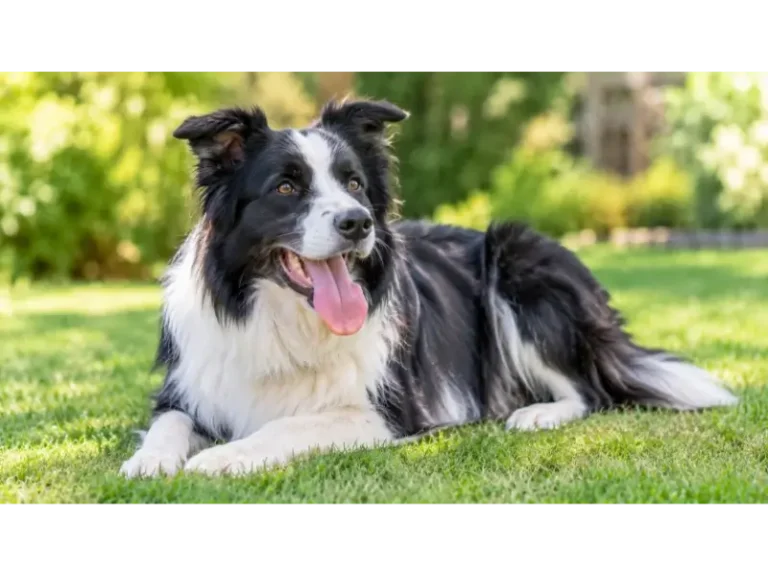
These breeds appear frequently in community discussions about recurrent colitis. While no confirmed genetic predisposition exists the way it does for Boxers and Frenchies, owners of these breeds should be aware that their dog may have a more reactive GI system and benefit from proactive dietary management.
Living With Chronic Colitis – Long-Term Management
Keeping a Symptom Log
A detailed symptom log is one of the most powerful tools you have for managing chronic colitis. It turns guessing into a process of elimination. Bring it to every vet appointment. Track date and time, stool consistency, mucus or blood present, number of episodes, what your dog ate in the past 24 to 48 hours, any stressful events, and any treatments given.
Long-Term Prognosis
Chronic colitis is manageable. Most dogs live normal, happy lives once their triggers are identified and a management plan is in place. The goal is not necessarily to cure the condition – it is to reduce the frequency, severity, and length of flares. Dogs with IBD-related colitis have been documented living 13, 14, and even 17 years with proper management. Quality of life is excellent for the vast majority of dogs with this condition.
When to Ask for a Specialist Referral
If your dog has chronic colitis that is not responding to your regular vet’s treatment plan, ask for a referral to a veterinary internal medicine specialist or Veterinary gastroenterologist. These specialists can perform colonoscopy and intestinal biopsy, order advanced diagnostics like fecal PCR panels and B12 levels, prescribe treatments not available at general practice (including FMT and immunosuppressants), and build a long-term management plan specific to your dog.
How to Prevent Future Colitis Flares
- Feed consistently – Do not randomly switch foods between meals
- Rotate proteins slowly – Change proteins every 3 to 6 months before food fatigue develops, not after a problem starts
- Transition food gradually – 7 to 10 days minimum for any food switch
- Give probiotics daily – Especially during times of stress or antibiotic use
- W!tch for parasite exposure – Annual fecal testing; use a PCR panel for dogs with recurring colitis
- Manage stress proactively – Do not wait for the colitis to tell you your dog was stressed
- Keep a log – Tracking patterns lets you catch new triggers before they become a bigger problem
Frequently Asked Questions About Colitis in Dogs
What are the first signs of colitis in dogs?
The first signs are usually loose or watery stools with mucus, sudden urgency to go outside, and going more frequently than normal. Straining to poop after already going is another early sign. Most dogs still eat and act normally during a mild episode – the problem stays in the colon and does not make them feel as sick as a stomach bug would.
Is colitis contagious from dog to dog?
Only when the cause is infectious. Colitis caused by bacteria (like Campylobacter or Salmonella), viruses, or parasites (like Giardia or Whipworms) can spread between dogs. Colitis caused by stress or a food sensitivity is not contagious.
How long does colitis last in dogs?
Acute colitis usually clears up within 3 to 5 days with proper home care. If it lasts more than a week, or if the same dog gets it multiple times in 6 months, it needs veterinary attention. Chronic colitis is an ongoing condition managed over the long term, not something that “goes away.”
Can dogs get colitis from stress alone?
Yes – and stress colitis is very common. It is probably the most common form of colitis in dogs. A grooming appointment, moving to a new house, being left alone longer than usual, or a loud noise event can trigger a full colitis episode in a dog with a sensitive gut.
What can I give my dog for colitis at home?
For mild cases in healthy adult dogs: fast for 12 to 24 hours, then feed small amounts of boiled turkey + white rice. Add plain canned pumpkin for fiber. Add unflavored psyllium husk for stool bulk. Give a dog-specific probiotic. Keep your dog calm and rested, and always make sure fresh water is available.
Is chicken bad for dogs with colitis?
For many colitis-prone dogs, yes. Chicken is the most commonly reported food trigger for dog colitis. It is so widely used in commercial dog food that many dogs gradually develop a sensitivity to it. If your dog has recurring colitis and eats chicken-based food, switching to a chicken-free formula is often the most effective first step you can take.
What is the best food for a dog with colitis?
During a flare: bland diet (turkey + rice). Long-term: a novel protein or hydrolyzed protein diet. Prescription options with strong track records include Royal Canin Hydrolyzed Protein HP, Hill’s Prescription Diet i/d Biome, Purina Pro Plan EN Gastroenteric, and Royal Canin Gastrointestinal Low Fat.
Should I fast my dog with colitis?
A 12 to 24 hour fast is appropriate for healthy adult dogs with mild colitis. It gives the colon time to settle. Always keep fresh water available. Never fast puppies, toy breeds, senior dogs with other health conditions, or diabetic dogs without specific guidance from your vet.
What is the difference between IBD and colitis in dogs?
IBD (Inflammatory Bowel Disease) is a chronic condition causing ongoing gut inflammation. Colitis is inflammation specifically of the colon – it can be acute and have nothing to do with IBD, or it can be a symptom of IBD. Not every dog with colitis has IBD. A dog with IBD will usually have recurring, long-lasting symptoms and need a biopsy for a definitive diagnosis.
Can colitis in dogs go away on its own?
Mild acute colitis often does, yes. Many dogs recover without any treatment beyond a bland diet and rest. But if symptoms are severe, recurring, or last more than a few days, treatment is needed to prevent dehydration and further gut damage.
When should I take my dog to the vet for colitis?
Go immediately if your dog is dehydrated, has heavy blood in the stool, has a racing heart, cannot keep water down, or is a young puppy. Call within 24 to 48 hours if symptoms have not improved after a few days of home care, your dog is not eating, or you notice weight loss.
What is Histiocytic Ulcerative Colitis in dogs?
It is a more serious form of colitis that mainly affects Boxers, French Bulldogs, and English Bulldogs. It causes severe, persistent bloody diarrhea caused by specific immune cells invading the colon wall. Diagnosis requires intestinal biopsy. Treatment with enrofloxacin (Baytril) is usually very effective when started early.

4 Comments
Comments are closed.