
Why Is My Dog Eating Grass? 9 Real Reasons + When to Worry (Vet Reviewed)
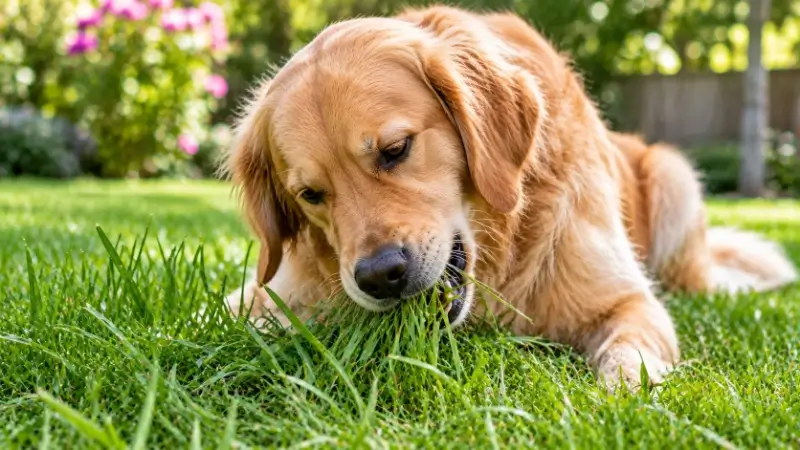
You look out the window and see your dog chomping away on the lawn like a tiny lawnmower. You wonder: Is this normal? Is something wrong? Should you stop it?
Here’s the truth: dogs eating grass is one of the most common behaviors veterinarians get asked about. And the answer is not as simple as “they’re sick” or “they’re fine.” The real reason depends on how your dog is eating it, when, and what else is going on.
This guide covers all 9 scientifically backed reasons dogs eat grass, what frantic grass eating means, when vomiting is a red flag, and exactly when to call your vet.
Is It Normal for Dogs to Eat Grass?
Yes – it is completely normal. Studies show that 79% of dog owners report their dogs eat plants regularly, and grass is the most common plant they choose. Wild wolves and other canids do it too.
That said, “normal” doesn’t mean you should ignore it. Some grass eating is harmless. Some is a signal your dog needs help. Knowing the difference is what this article is about.
9 Real Reasons Your Dog Is Eating Grass
1. Stomach Upset – The Most Common Reason
When a dog has a gassy, bloated, or uncomfortable stomach, it often turns to grass. The blades irritate the throat and stomach lining, triggering vomiting. This can actually make the dog feel better.
Signs this is the reason: Your dog gulps the grass quickly, seems restless or uncomfortable before eating it, and may vomit shortly after.
Important: Only about 25% of dogs that eat grass actually vomit. So vomiting after grass eating is not guaranteed – it’s a sign of more severe stomach irritation when it does happen.
2. Nutritional Deficiency – Fiber, Vitamins, Minerals
Grass contains fiber, chlorophyll, and trace minerals. If your dog’s diet is low in these nutrients, its body may instinctively seek them out. This is especially true for dogs on low-fiber commercial kibble.
Signs this is the reason: Your dog grazes slowly and calmly, chews the grass rather than gulping it, and shows no signs of stomach distress.
What to do: Add fiber to your dog’s diet with pumpkin puree, cooked sweet potato, or green beans. Talk to your vet about a food switch if this behavior is frequent.
3. Instinct and Ancestral Behavior
Wild canids have eaten plant matter for thousands of years. It’s hardwired into their DNA. A 2008 study published in Applied Animal Behaviour Science found that grass eating is a normal, ancestral behavior that has nothing to do with illness in most cases.
Your dog isn’t broken. It’s just being a dog.
4. Boredom or Anxiety
Under-stimulated dogs find ways to entertain themselves. Grass eating can become a habit, almost like a nervous tic. Dogs that don’t get enough exercise or mental stimulation are more likely to graze out of boredom.
Signs this is the reason: Your dog eats grass when left alone, during low-activity times, or when it seems restless. It may also chew furniture, bark excessively, or dig.
What to do: Increase daily walks, add puzzle toys, and try training sessions. A mentally tired dog is a calmer dog.
5. Pica – Compulsive Eating of Non-Food Items
Pica is a condition where dogs eat non-food items compulsively –
dirt, rocks, socks, grass. It can be caused by nutritional deficiency, anxiety, obsessive-compulsive disorder, or an underlying medical condition.
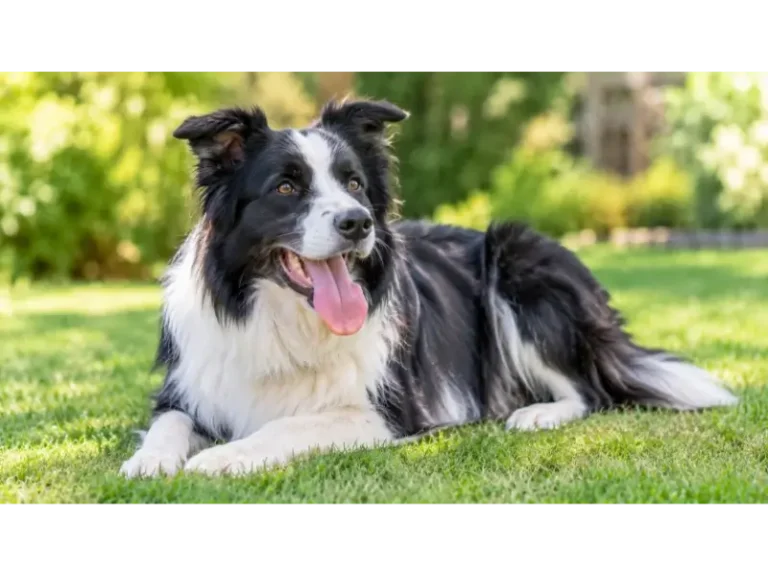
Which breeds are most prone to pica? Labrador Retrievers, Golden Retrievers, Border Collies, and Beagles are reported more frequently. High-energy working breeds with strong oral fixations tend to show it more.
Signs this is the reason: Your dog eats grass AND other non-food items, can’t seem to stop, or eats grass in large quantities every single day.
What to do: See your vet. Pica can lead to intestinal blockages and requires a diagnosis before treatment.
6. Gut Microbiome Imbalance
Emerging research in veterinary science points to the gut microbiome as a factor in grass eating. When the balance of good and bad bacteria in the gut is off – from antibiotics, stress, or a diet change – dogs may seek out plant matter to restore it.
Grass contains prebiotic fiber that feeds beneficial gut bacteria. Your dog may literally be self-medicating.
What to do: Ask your vet about a probiotic supplement formulated for dogs. Brands like Purina FortiFlora and Zesty Paws Probiotic are commonly recommended in 2026.
7. It Simply Tastes Good
This one surprises a lot of people. Fresh spring grass, especially after rain, is sweet and juicy. Many dogs simply enjoy the taste and texture – particularly young grass in early spring.
If your dog happily nibbles a bit of grass on a walk and shows zero signs of distress, this may be all it is.
8. Thirst or Dehydration
Grass blades hold moisture, especially in the morning when covered in dew. A dog that isn’t drinking enough water may turn to grass for hydration. This is more common in hot months or in dogs on dry kibble diets.
Signs this is the reason: Your dog eats grass in the morning, seems drawn to dewy or wet grass specifically, and doesn’t drink much from its bowl.
What to do: Ensure fresh water is always available. Try a pet fountain – many dogs prefer moving water. Consider adding wet food to the diet.
9. Intestinal Parasites
Worms and parasites irritate the gut lining. A dog with intestinal parasites may eat grass in an attempt to soothe that irritation or even expel the parasites. This is one of the more serious reasons on this list.
Signs this is the reason: Your dog is eating grass and showing other signs like scooting, weight loss, diarrhea, visible worms in stool, or a pot-bellied appearance.
What to do: Take a fresh stool sample to your vet for a fecal exam. Keep your dog on a regular deworming schedule.
Why Is My Dog Frantically Eating Grass?
Calm grazing and frantic grass eating are very different things. If your dog is suddenly desperate – tearing at the grass, unable to stop, pacing between patches – this is a signal that something is wrong.
Frantic grass eating is typically a sign of acute stomach distress. The dog is trying urgently to trigger vomiting to relieve the discomfort.
Common causes of frantic grass eating:
- Eating something that disagreed with them (fatty food, garbage, table scraps)
- Sudden dietary change
- Bloat (GDV – gastric dilatation-volvulus) – a life-threatening emergency
- Swallowed object causing irritation
- Pancreatitis
When frantic grass eating is an emergency: If your dog is eating grass frantically AND has a visibly swollen, hard belly, is retching without vomiting, drooling excessively, or seems in severe pain – go to an emergency vet immediately. These are signs of bloat, which can be fatal within hours.
Why Is My Dog Eating Grass Frantically in the Middle of the Night?
Nighttime frantic grass eating is one of the most alarming things a dog owner can experience. You let your dog out at 2am and it’s desperately chomping the lawn. What’s happening?
The most likely cause is acid reflux or bilious vomiting syndrome – a condition where stomach acid builds up overnight when the stomach is empty. The acid irritates the stomach lining, causing nausea that wakes the dog up.
Dogs with this condition often vomit yellow bile in the early morning – this is called “yellow bile vomiting” and is closely linked to nighttime grass eating.
What to do: Try giving your dog a small snack before bed – a few pieces of kibble or a small dog biscuit. This can buffer the stomach acid. If it keeps happening, see your vet. A simple medication change or feeding schedule adjustment often resolves it completely.
Dog Eating Grass and Throwing Up: What Does It Mean?
When a dog eats grass and then throws up, most people assume the grass caused the vomiting. But it’s usually the other way around: the dog already felt sick, ate the grass on purpose to make itself throw up, and then felt better.
Vomiting yellow foam or bile: This means the stomach was empty when the vomiting happened. Usually related to acid reflux or bilious vomiting syndrome.
Vomiting undigested food: The dog ate too fast, too much, or ate something that didn’t agree with it.
Vomiting and then returning to eat more grass: The dog is trying to clear its stomach completely. This is concerning and worth monitoring closely.
When to worry: One episode of grass eating followed by vomiting, with the dog returning to normal, is usually fine. But if your dog vomits more than twice in 24 hours, shows blood in vomit, is lethargic, or won’t eat, call your vet.
Dog Eating Grass and Not Eating Food
When a dog skips its regular meals but eagerly eats grass, something is off. Grass becomes the food of choice when the dog’s stomach is too irritated to handle regular food – but the dog is still trying to address the discomfort it feels.
This combination – refusing food but eating grass – is a stronger signal than grass eating alone. It suggests nausea, stomach pain, or a systemic issue.
Monitor for 12–24 hours. Offer bland food like boiled chicken and plain white rice. If your dog still won’t eat after 24 hours, or shows other symptoms, contact your vet.
Dog Eating Grass and Licking Paws
This combination is a classic sign of environmental allergies. When dogs are allergic to grass, pollen, or outdoor mold, they often show it through two routes at once: licking their paws (which contact the ground) and eating the grass itself.
The paw licking is caused by allergens absorbing through the skin between the toes. The grass eating may be a response to the same irritation, or to the gut symptoms that sometimes accompany allergic reactions.
Other allergy signs to watch for: Itchy skin, red or watery eyes, sneezing, ear infections that keep coming back, and scratching at the face.
What to do: Wipe your dog’s paws with a damp cloth after every outdoor trip. Talk to your vet about allergy testing or antihistamines safe for dogs.
Puppies Eating Grass vs. Adult Dogs
Puppies explore the world with their mouths. Grass eating in puppies is almost always about curiosity and oral exploration rather than a physical need or problem. It’s normal puppy behavior.
However, puppies are more vulnerable than adult dogs to:
- Lawn chemicals and pesticides – their smaller bodies are more sensitive to toxins
- Intestinal parasites – from contaminated soil and grass
- Accidental ingestion of toxic plants – puppies don’t discriminate well between safe and unsafe plants
Adult dogs that suddenly start eating grass after never doing it before are more noteworthy. A sudden new behavior in an adult dog is worth investigating – it usually signals a change in health or diet.
Is Lawn Grass Safe for Dogs? Chemicals and Pesticides
Even if the grass eating itself is harmless, the grass may not be. This is a serious concern many dog owners overlook.
Common lawn chemicals that are toxic to dogs:
- Glyphosate (Roundup) – herbicide linked to gastrointestinal symptoms, possible carcinogen
- 2,4-D – common weed killer, associated with malignant lymphoma in dogs in multiple studies
- Permethrin – insecticide that is highly toxic to cats and moderately toxic to dogs
- Fertilizer salts – high nitrogen fertilizers can cause salt toxicity if ingested in quantity
- Cocoa mulch – contains theobromine (same compound as chocolate), extremely dangerous
Signs of pesticide/herbicide poisoning in dogs: Excessive drooling, vomiting, diarrhea, tremors, dilated pupils, loss of coordination, collapse. This is an emergency – call the ASPCA Animal Poison Control Center at (888) 426-4435 or go to an emergency vet immediately.
Safer alternatives: If your dog frequently eats grass, consider planting a small patch of pet-safe wheatgrass, oat grass, or barley grass in a container. These are chemical-free alternatives your dog can safely graze on.
How to Stop Your Dog From Eating Grass
Whether you want to stop the behavior entirely or just reduce it, here are practical steps that work:
Step 1: Rule Out a Medical Cause First
Before trying to train away the behavior, make sure there isn’t a health reason behind it. A vet visit with a fecal exam and basic bloodwork can rule out parasites, deficiencies, or organ issues.
Step 2: Upgrade the Diet
Switch to a higher-fiber food or add fiber supplements. Pumpkin puree (plain, canned – not pie filling) is safe, cheap, and effective. Many dogs reduce grass eating significantly when their nutritional needs are better met.
Step 3: Increase Exercise and Mental Stimulation
Add 15–30 minutes of daily activity. Use snuffle mats, food puzzles, or scatter feeding in the yard to keep your dog mentally engaged. A tired, stimulated dog has less reason to graze.
Step 4: Redirect and Reward
When you catch your dog going for the grass, redirect with a “leave it” command followed by a high-value treat. Be consistent. Over time, your dog will learn that ignoring the grass is more rewarding than eating it.
Step 5: Provide a Safe Grass Alternative
Give the dog an outlet. Grow a small container of pet-safe wheatgrass indoors or in a designated corner of the yard. Let your dog graze there freely. This redirects the behavior to a safe option instead of fighting it entirely.
When Should You Worry About Your Dog Eating Grass?
Most grass eating is harmless. But these are the situations that require a vet call:
- Frantic, desperate grass eating combined with a hard, bloated belly – potential bloat emergency
- Eating grass after ingesting a known toxin or unknown substance
- Vomiting more than twice in 24 hours, or blood in vomit
- Dog refuses food for more than 24 hours
- Sudden onset in an adult dog with no prior history
- Signs of poisoning: tremors, drooling, disorientation, collapse
- Accompanied by significant weight loss, lethargy, or changes in stool
Always trust your gut as a dog owner. You know your dog’s normal. If something feels wrong, it probably is. A vet call is never the wrong decision.
Frequently Asked Questions
Does dog eating grass mean they are sick?
Not necessarily. Research shows most dogs that eat grass are not sick. It’s a normal behavior that can be driven by instinct, nutrition, boredom, or simply enjoying the taste. However, frantic grass eating or grass eating paired with vomiting, lethargy, or appetite loss can indicate a health issue worth investigating.
Why is my dog suddenly frantically eating grass?
Sudden, frantic grass eating almost always means your dog’s stomach is in acute distress. The dog is trying to trigger vomiting to relieve the discomfort. If the belly looks swollen or hard, or the dog is retching without producing vomit, treat it as an emergency and go to a vet immediately – this can be a sign of bloat.
What do I do if my dog is eating grass?
If your dog calmly grazes a small amount of chemical-free grass and seems fine, no need to panic. Watch for vomiting, appetite loss, or behavioral changes. If the grass eating is frequent or frantic, review their diet, increase exercise, and schedule a vet visit to rule out underlying issues.
When should I worry about my dog eating grass?
Worry if: the eating is frantic or desperate, your dog also stops eating regular food, vomiting is repeated or contains blood, your dog seems lethargic or in pain, the grass may be treated with pesticides, or if this is a sudden new behavior in an adult dog.
What can I give my dog because he’s eating grass?
If the grass eating is due to stomach upset, plain canned pumpkin (1–2 teaspoons for small dogs, 1–4 tablespoons for large dogs) can help soothe the digestive tract. Plain boiled chicken and white rice is a good bland diet for 24–48 hours. For acid reflux-related grass eating, ask your vet about giving a small meal before bed. Never give human antacids without vet guidance.
Which dog breeds are most prone to pica?
Labrador Retrievers, Golden Retrievers, Border Collies, and Beagles are most commonly reported with pica. High-drive working breeds with strong oral fixations also show higher rates. Any breed can develop pica; however, it is not exclusive to these breeds.
How long should I let my dog eat grass?
If your dog is calmly nibbling safe, chemical-free grass, a minute or two is fine. If your dog is frantically eating and won’t stop, redirect them immediately and check for signs of stomach distress. Never let your dog eat grass from lawns that may be treated with pesticides, herbicides, or fertilizers.
What are the first signs of toxic poisoning in dogs?
The first signs of toxic poisoning in dogs include: excessive drooling, sudden vomiting, diarrhea, tremors or muscle twitching, dilated pupils, pale or white gums, loss of coordination, and extreme lethargy or collapse. If you suspect poisoning, call the ASPCA Poison Control at (888) 426-4435 immediately and go to an emergency vet.
Why is my dog gulping a lot and eating grass?
Gulping is a sign of nausea. When a dog gulps repeatedly and then goes for the grass, it is trying to self-induce vomiting to relieve nausea. This is most commonly caused by acid reflux, eating something disagreeable, or early signs of gastritis. If gulping and grass eating happen frequently, see your vet – it is very treatable.
Is it safe for dogs to eat grass every day?
Daily grass eating is not dangerous on its own if the grass is chemical-free and your dog is healthy. However, if your dog needs to eat grass every single day, it suggests an unmet nutritional need or ongoing digestive issue. Work with your vet to identify the underlying cause rather than simply allowing the behavior to continue indefinitely.
This article has been reviewed for veterinary accuracy. It is intended for informational purposes only and does not replace professional veterinary advice. If your dog is showing signs of illness, contact your veterinarian or an emergency animal hospital.




One Comment
Comments are closed.